The Traces of Jewish Halberstadt: Wednesday, June 3
Today was our day to trace the ways in which Halberstadt has preserved the history of the Jewish community that once lived here.
A bit of background. This spring, I began to work on a project at the University of Nebraska-Lincoln that involves the letters of a family of Jewish immigrants from Germany who came to Lincoln, NE, in 1936 and 1937. The children and grandchildren of the Speier-Rosenberg family donated thousands of letters written by the family, other friends and relatives who emigrated, and those who were unable to leave Germany during the Nazi era, until they were deported and unable to communicate with their loved ones. As I was helping to transcribe, translate, and do some background research on these letters, it turned out that Alfred Speier, who came to Lincoln with his wife Käte and his teenage daughter Eva in 1936, followed by his older daughter Ilse, her husband Ludwig Rosenberg, and their 2-year-old daughter Hanna in 1937, was from Halberstadt, and that a huge part of understanding what the letters were about was to find out more of the Jewish community that existed here. Very important reminder: Yes, the Nazis were vanquished in 1945, and as someone born in 1966, I grew up in a democratic society that tried hard to reckon with the Nazi past and to spot and fight its xenophobic and racist tendencies. Anything that had a whiff of Nazi ideology was very much despised–likely more so than now, when right-wing anti-immigrant parties including the AfD (“Alternative for Germany”) are on the rise again. But that does not obviate the fact that in much of Germany, including most small towns, the Holocaust had exactly the effect that the Nazis had planned for: There are few Jews living in Germany now, and, as one survivor told a researcher in the 2000s when she returned for a visit: There are no Jewish residents left in Halberstadt–it was, like the Nazis wanted Germany to be, “judenrein,” purified of the Jews. The work on our project has made me keenly aware how blind I was to this fact about the Germany I grew up in (also in a small town where only one of the Jewish residents who survived returned), in spite of the thorough Holocaust education that I received in school.
So when I looked into Halberstadt’s past and found out that there are a website and a museum dedicated to “Jewish Halberstadt,” and that the town had had a prominent Jewish community for centuries, I got in touch with the museum last spring, and they were kind enough to arrange for a tour and for a conversation with their archivist. Sven Wabersitzky, the historian and museum education specialist for the Berend Lehmann Museum, took the entire day to give us an overview and answer my many questions. I came away with the stack of materials and the promise of a continued exchange. I am really hoping that I can connect the museum with the two museums in the US that now have some of the things (from kitchenware and embroidered handkerchiefs to pressed-flower books and suitcases) that the Speiers and Rosenbergs brought from Halberstadt and preserved in their house in Lincoln for decades.
Here is a bit of a photo tour (thanks to Mark), with captions that give you a tiny sliver of an idea of what we saw and learned today.
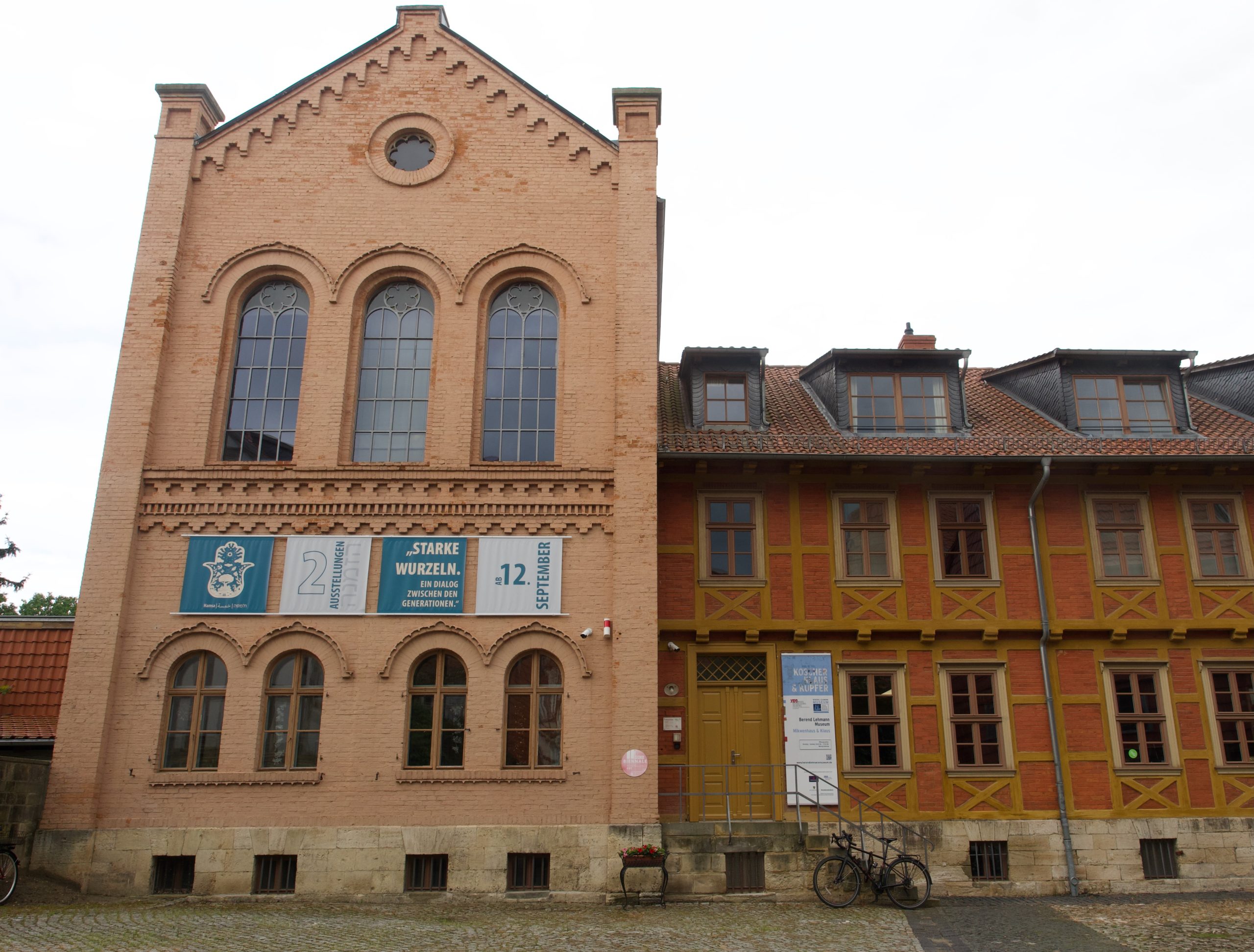
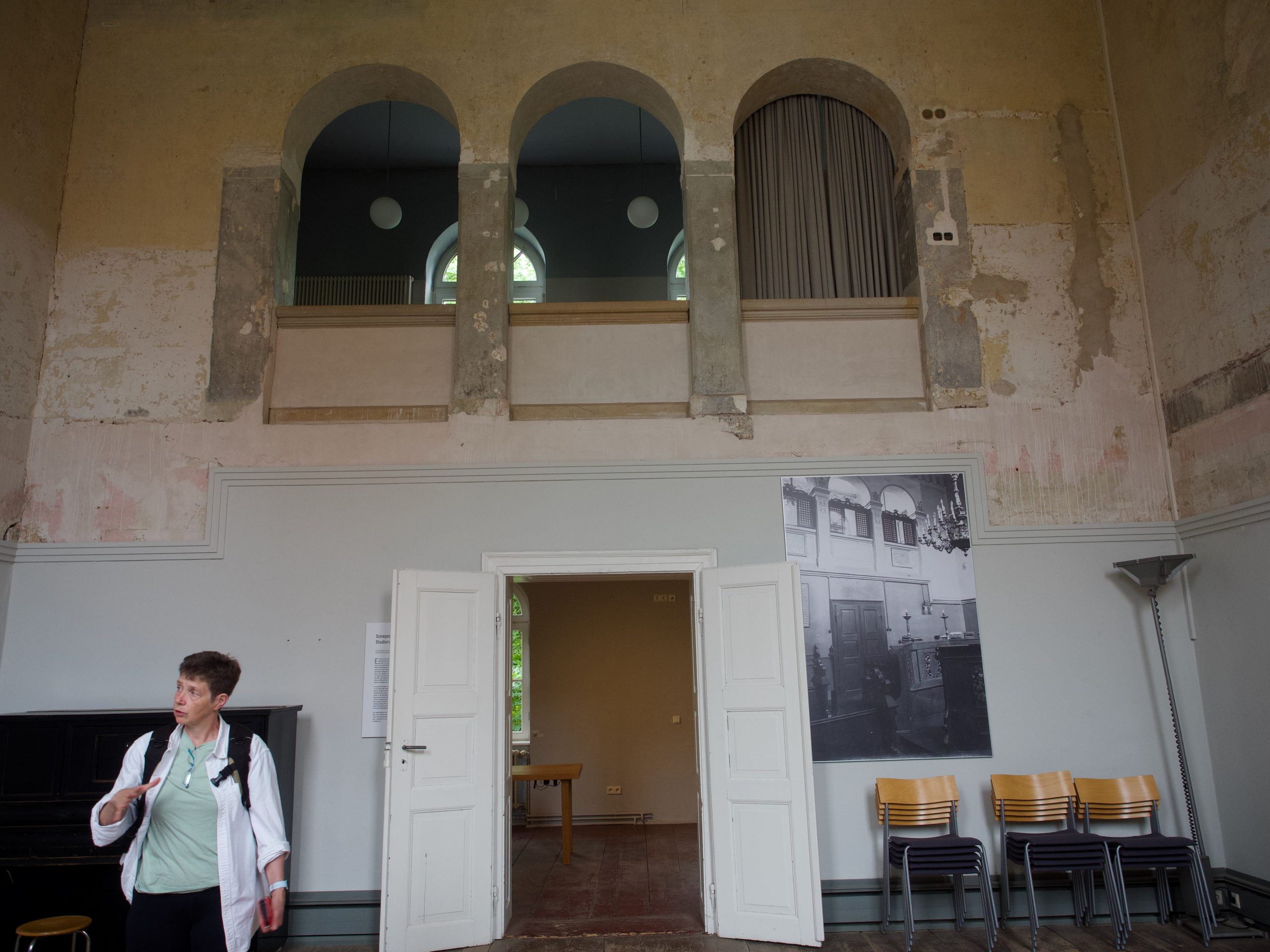
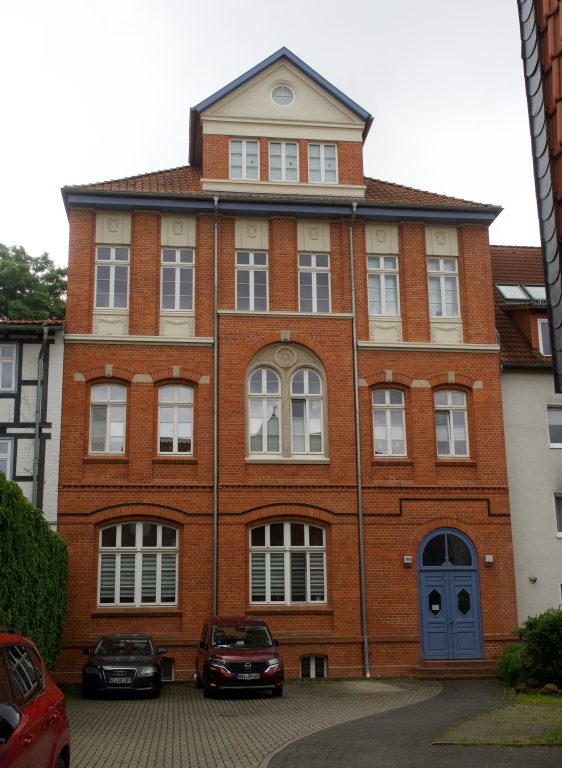
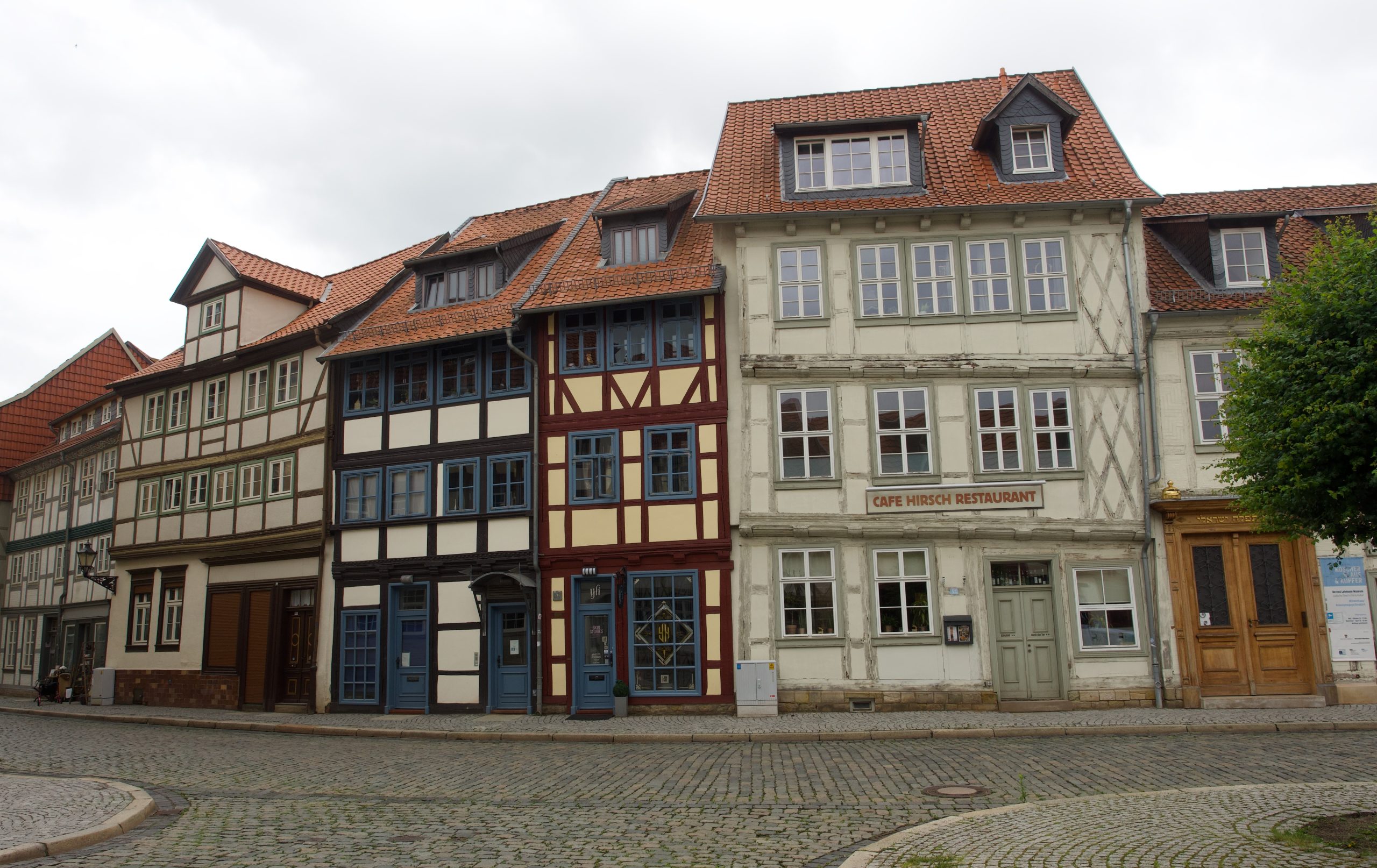
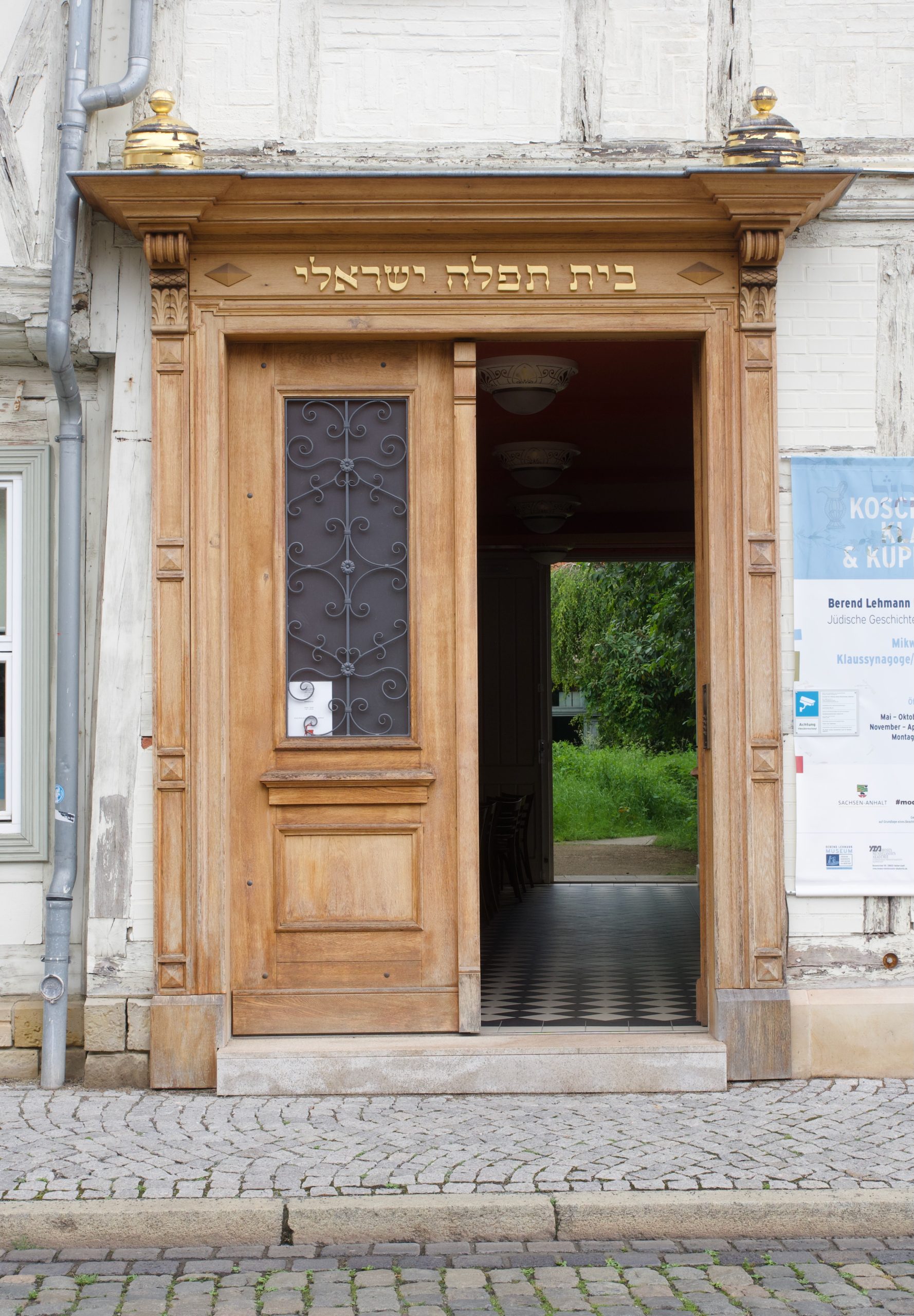
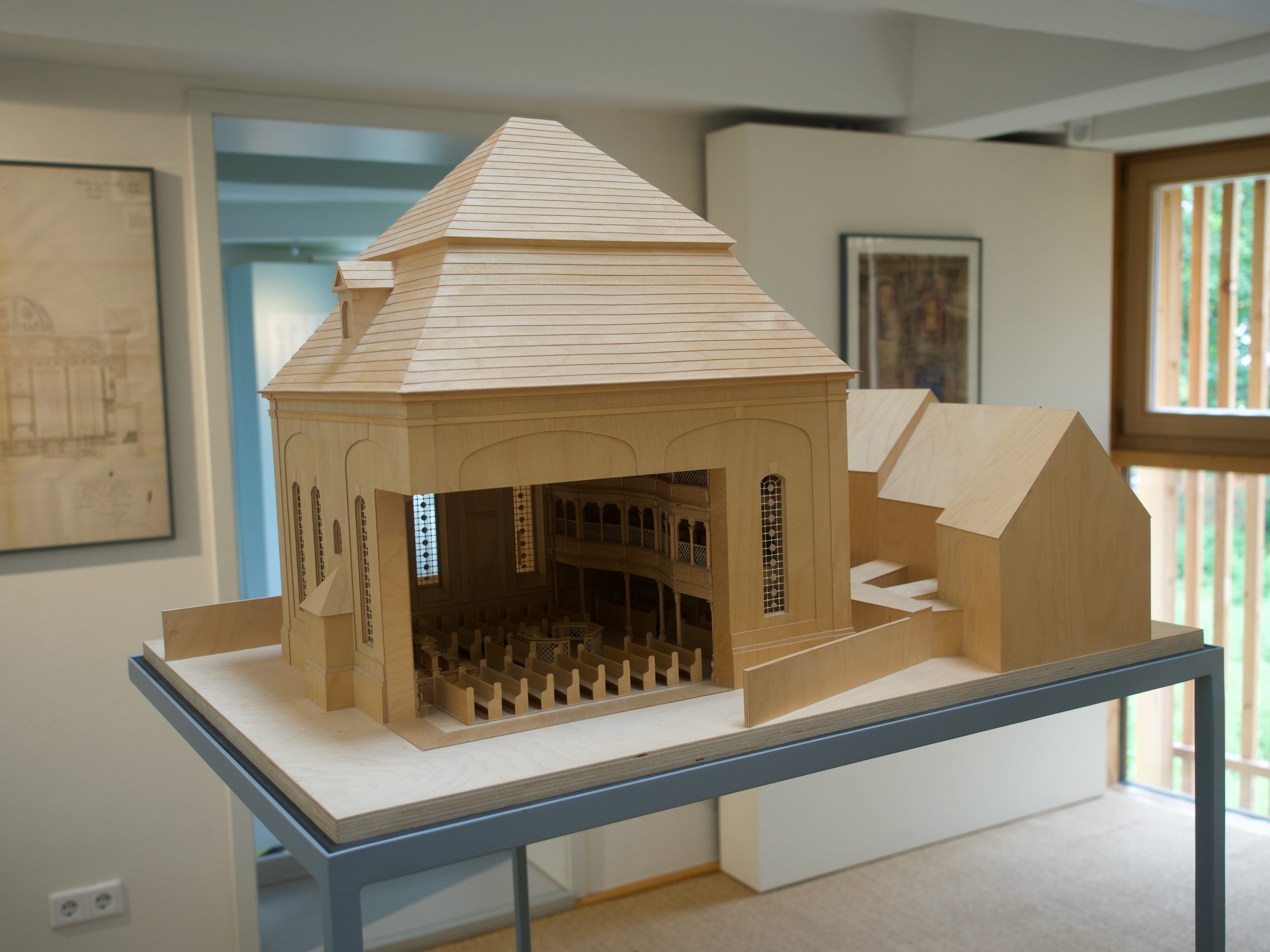
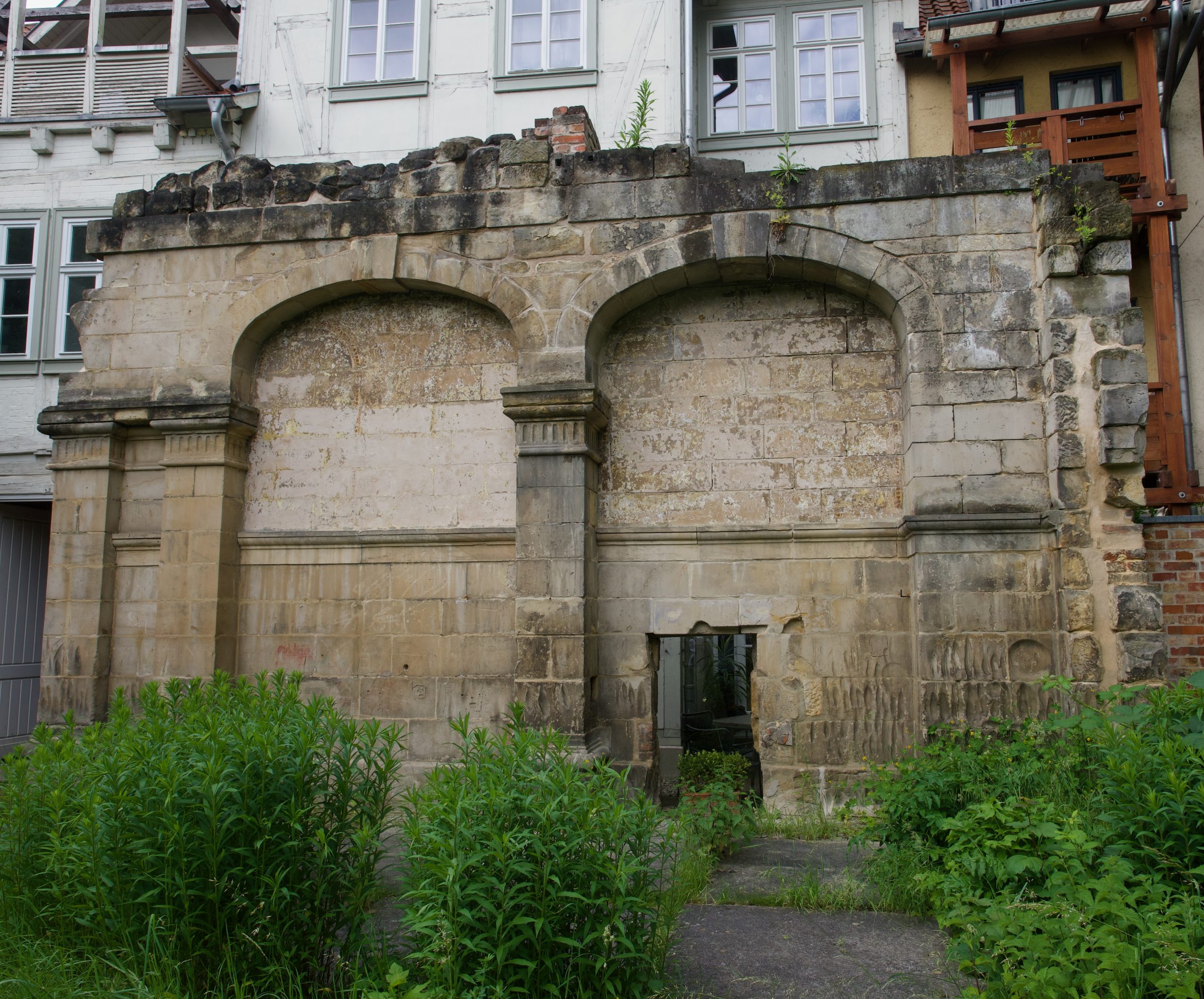
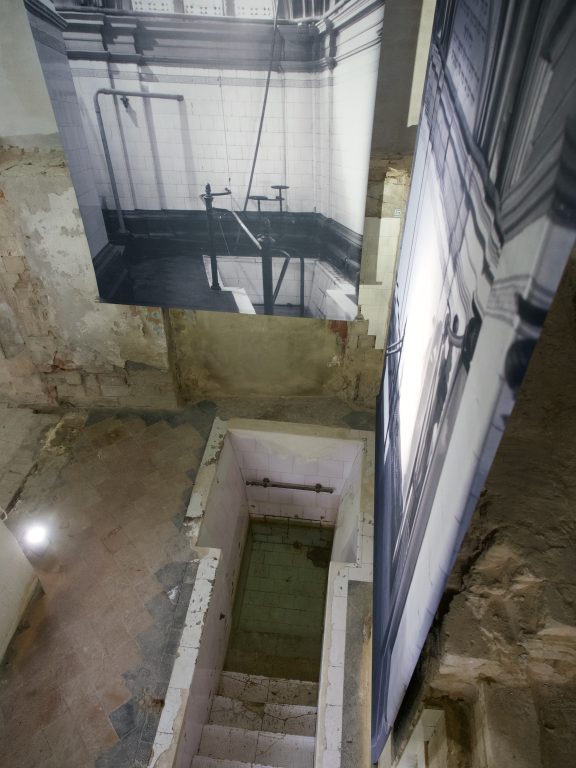
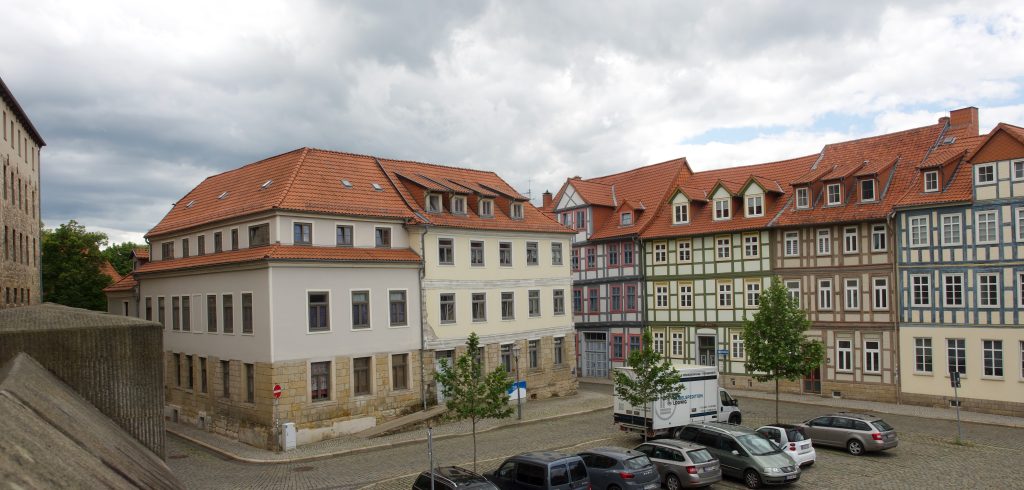
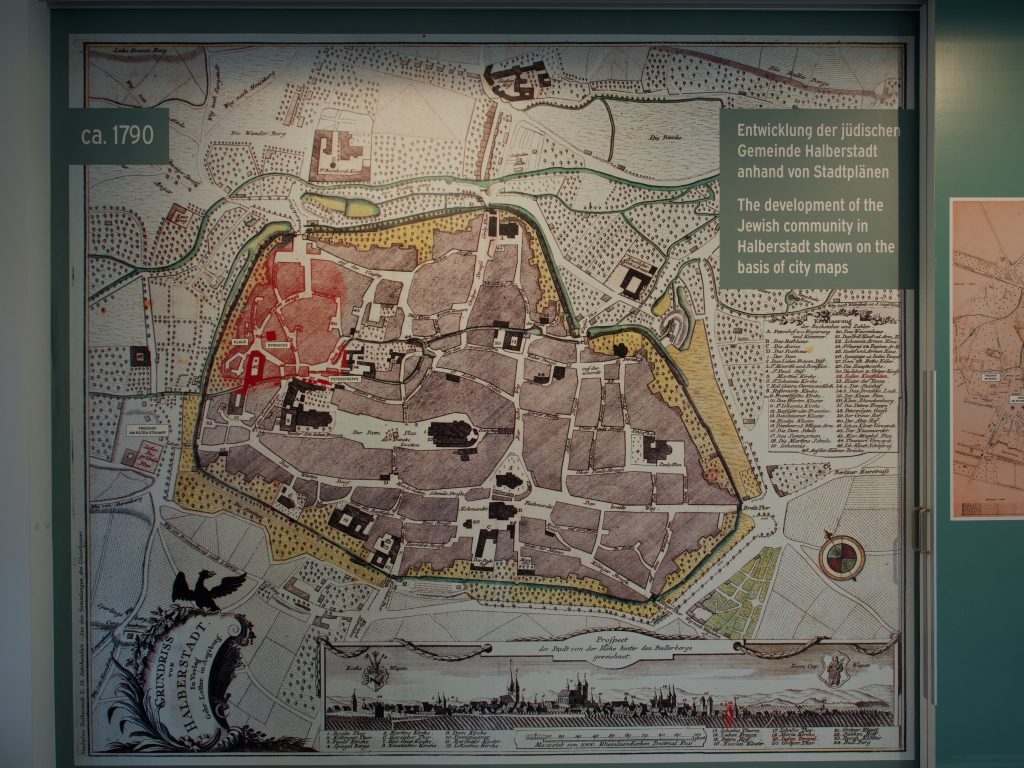
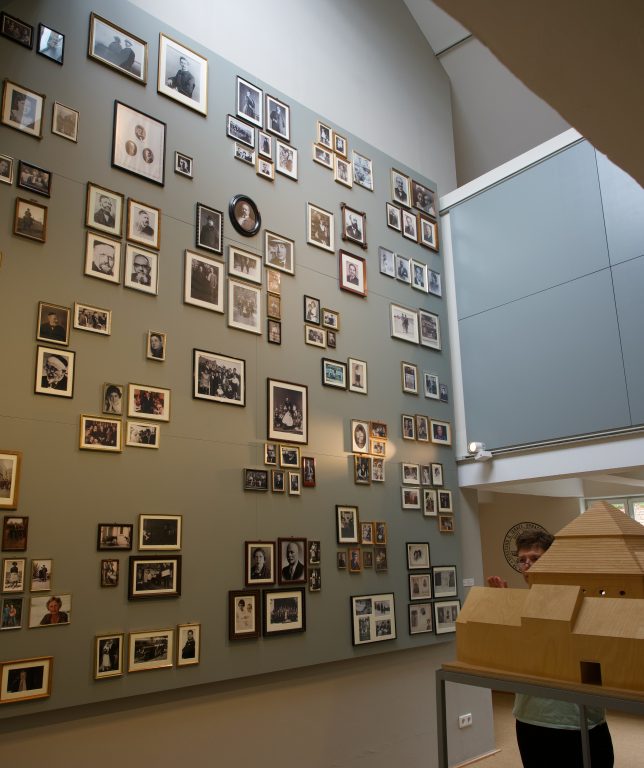
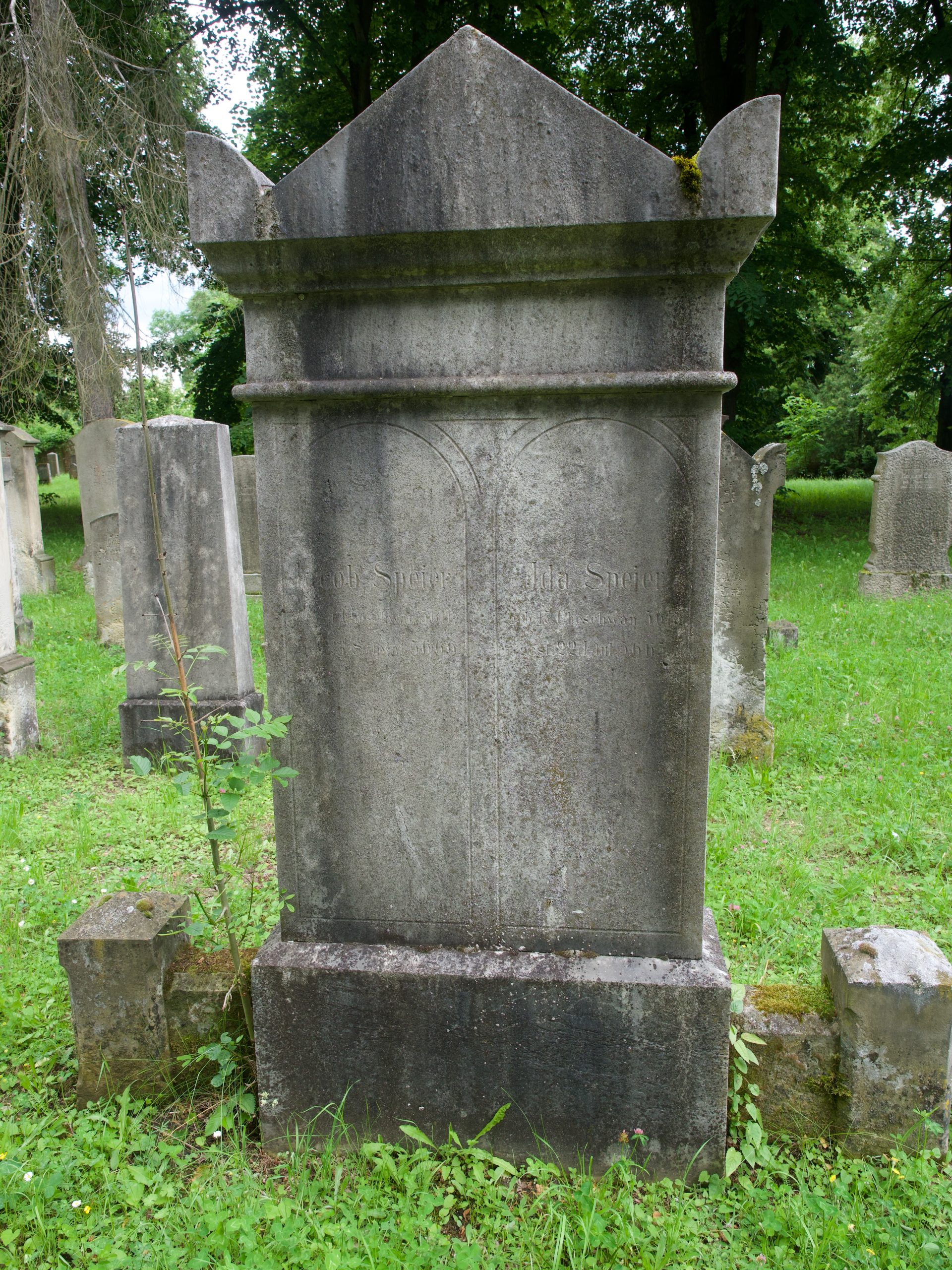
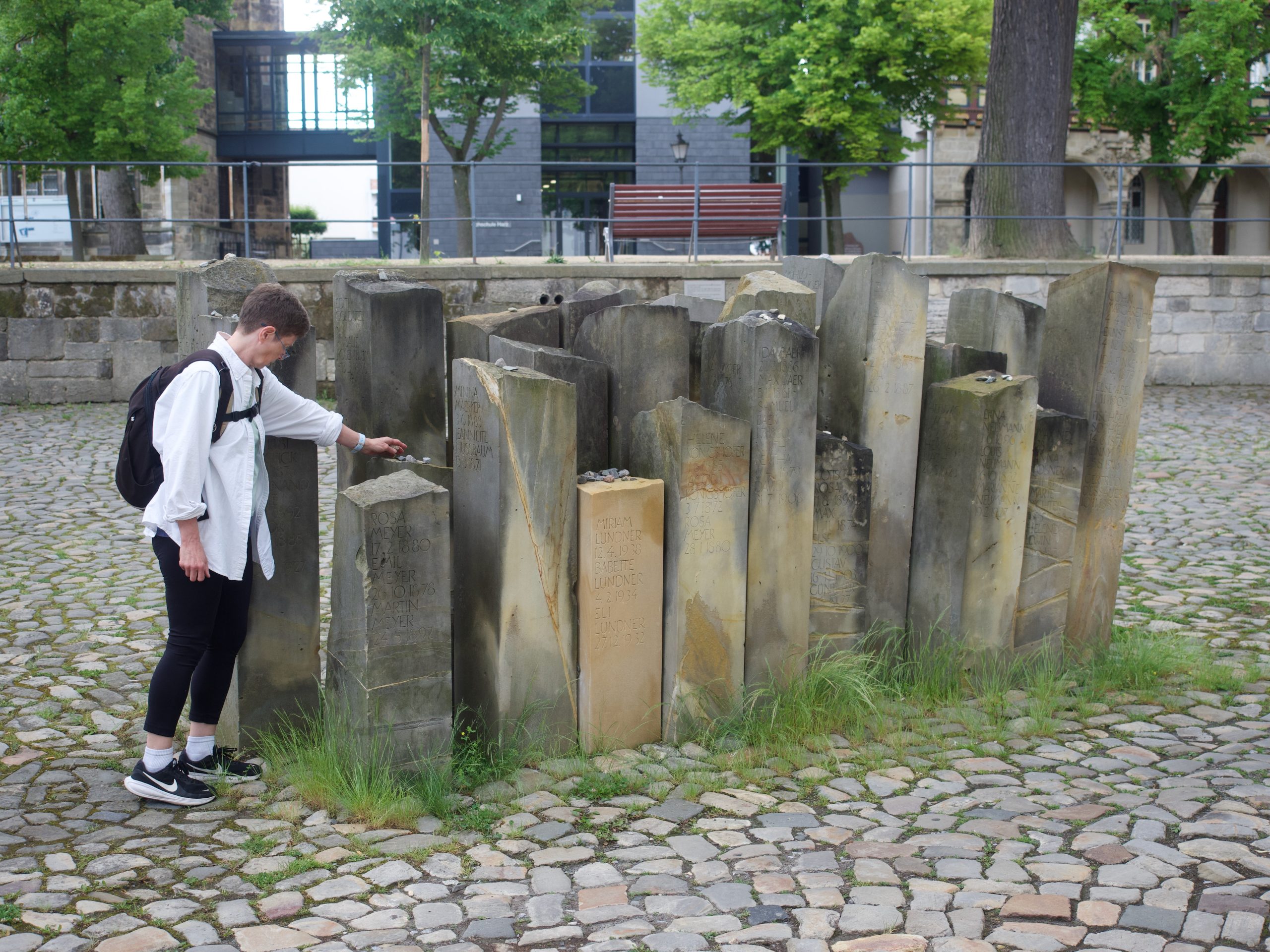
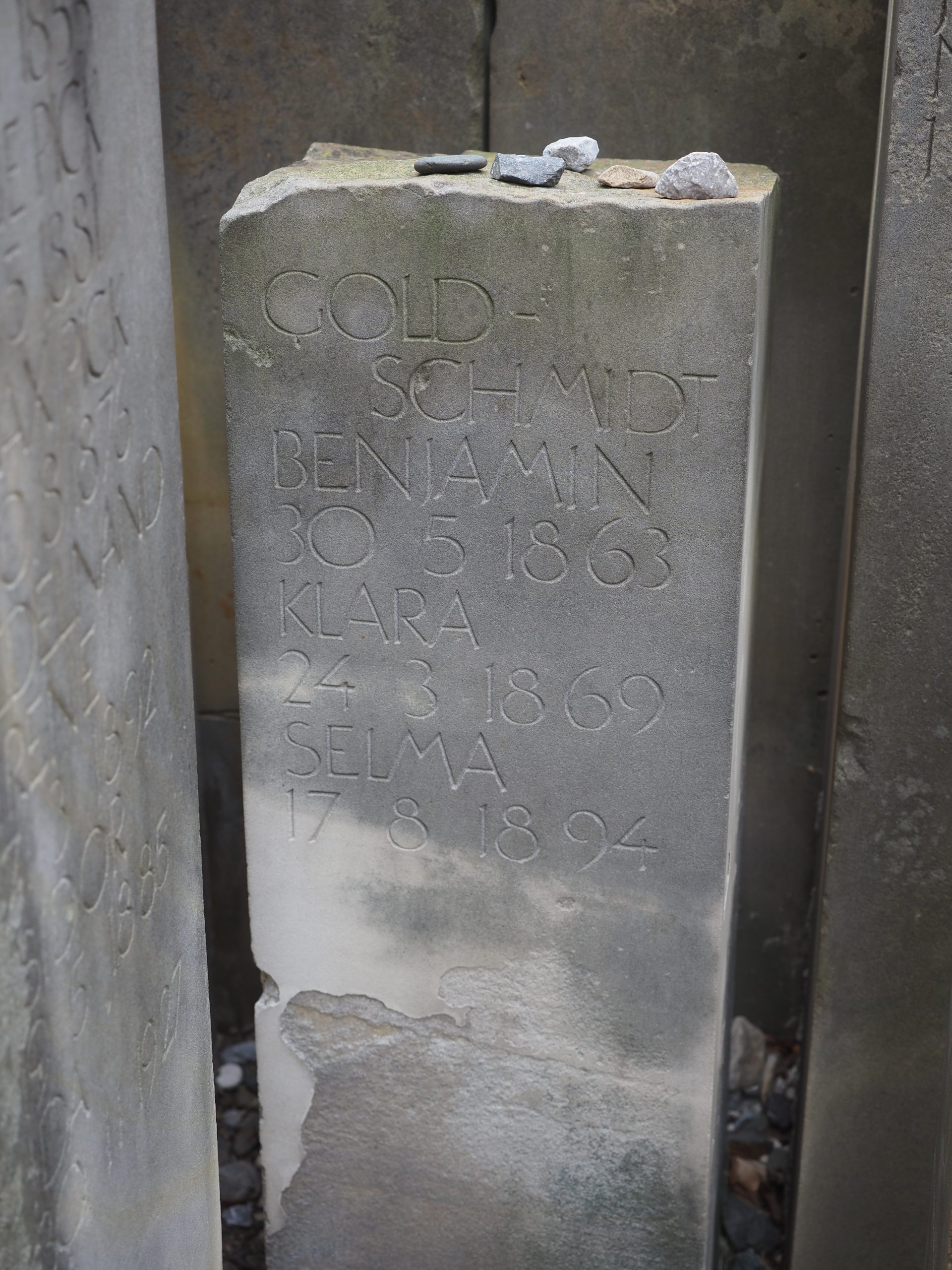
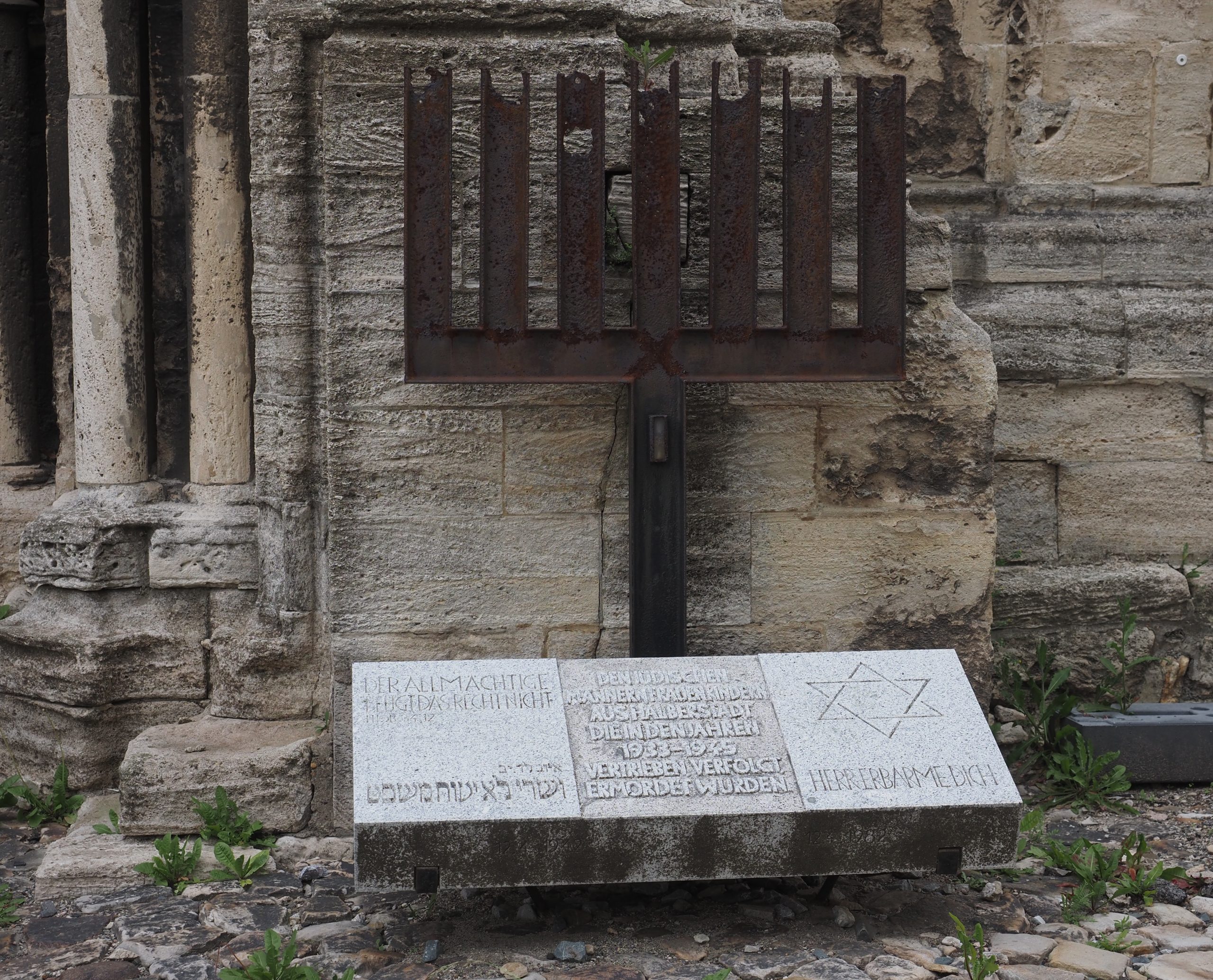
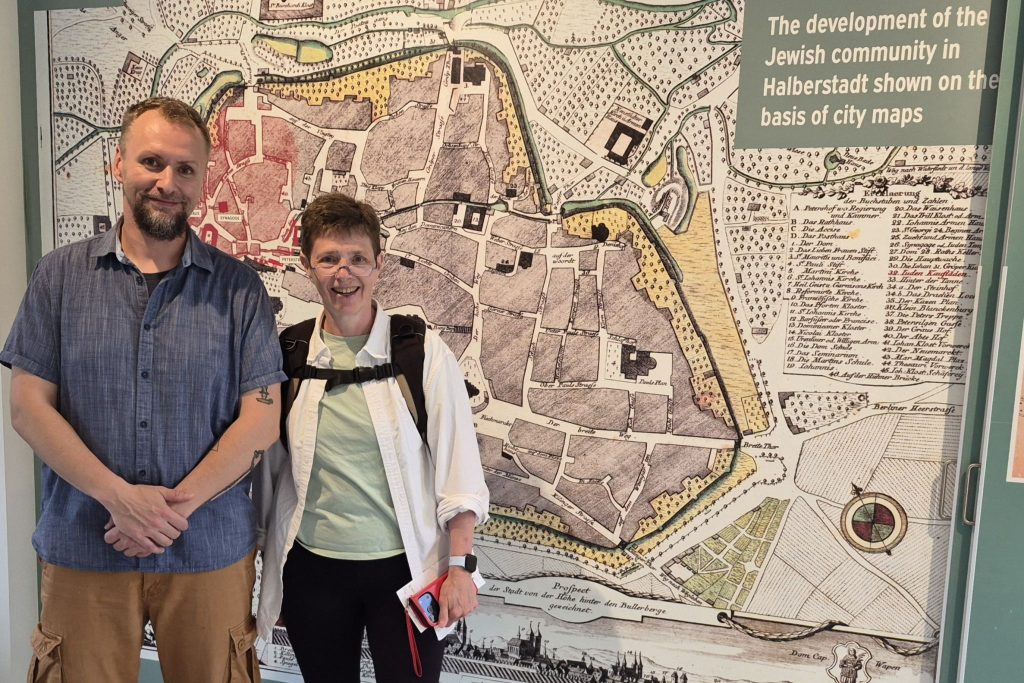
This is the Berend Lehmann Museum for Jewish History and Culture in Halberstadt. The building used to contain the “Klaus,” a synagogue and study hall where Jewish rabbis studied religious texts and lived with their families. Berend Lehmann was a Jewish businessman who worked for many regional princes around 1700 and had the Klaus built to foster the orthodox Jewish community settled in Halberstadt at this time. This made the community thrive, with the result that by 1800, the town’s population, about 10,000, was about 10% Jewish–very unusual for a small town in central Germany.Inside the former synagogue in the Klaus. Above, the alcoves where the women sat during services. While the Klaus was saved from destruction by the nazis during Kristallnacht by an Aryan building supervisor, the building was later desecrated, turned into segregated Jewish apartments, and after that into a Nazi POW camp. It was neglected for many years but was restored and made into an incredible museum. This main room was deliberately left to show the many layers of paint and use. Originally, the Klaus also contained the Jewish elementary and high school, but in the late 19th century, a new school was built in a different street and is one of the few buildings in Halberstadt that still features a star of David (center window). The school was closed after Kristallnacht, and building was used to house Jewish residents (who were no longer allowed to own houses or rent from Aryan neighbors) before they were deported in 1942.The street across from the Klaus was part of the Jewish quarter. Unlike most of Halberstadt, this small section of the old town (technically, the downtown or “Unterstadt”) was not destroyed in a major bombing raid in April of 1945. We ate Ukrainian-Jewish blintzes and pirogi in the lovely Café Hirsch. To the right of the café, you can see a wooden door.That is the back entrance (a modern reconstruction based on photographs) to what used to be the beautiful community synagogue from the early 18th century in an inner courtyard, hidden from view.A wooden architectural model of this Baroque synagogue, built in 1711, with financing from Berend Lehmann.The only wall that is left of the synagogue, which was demolished with flimsy excuses about structural problems by the Nazis when they discovered they could not burn it down during Kristallnacht for fear of destroying the entire neighborhood. The inner courtyard where it once stood has been made a “Denkort” (A Place of Reflection) where outlines of the building are visible through the greenery, a mix of plants mentioned in the Torah / Old Testament and of wildflowers and weeds. It is very powerful.A few years ago, during renovations in the former Judenstraße (“Jews’ Street”) directly behind the synagogue, the community mikwe (ritual bathhouse) was discovered. The upstairs of the same building now houses some of the displays of the Jewish Museum.The large house at the center was Berend Lehmann’s estate (once known as “Little Venice”), with more of the classic half-timbered (Tudor frame) homes of the downtown (Unterstadt) in the background.The museum exhibit featured maps from different phases of Jewish life in Halberstadt; underlaid in red, the Jewish quarter (never a ghetto, i.e. never walled in or completely separated) was located in the downtown (Unterstadt), separated by a large stone staircase from the uptown (Oberstadt), where the cathedral, another major church (Liebfrauenkirche) and the major administrative buildings of the bishopric towered over the lower-lying homes of Jews and Christians alike.The photo wall shows images related to several Jewish families from Halberstadt. Visitors can choose any of these families on an interactive computer screen and learn more about their histories. While the Speier family is not part of this display, they show up in a shadow box of visiting cards.The inscription is hard to read, but this is the German-language side of the gravestone for Jacob and Ida Speier, Alfred Speier’s parents, who died in 1905 and 1906 and lie buried at one of three Jewish cemeteries, a little bit further out of town. On the other side, the Hebrew inscriptions are given.These are the Stones of Remembrance in front of the Cathedral (Dom), commemorating the over 100 Jewish men, women and children who were gathered near here in April 1942 to be deported to the Warsaw Ghetto. A second group of mostly elderly Jews was deported in November 1942. None came back. A somber and powerful reminder of the Holocaust at any time, but overwhelming for me. Many of the names appear in the letters sent to the Speiers, and some are the names of people who wrote letters to them. Here is one example that is both heartbreaking and also got me further in my research on the Speier and Rosenberg family letters for UNL’s Stories of Humanity project. We have a letter on our website that was written just before Kristallnacht, in October 1938, by an Aunt Clara Lara, an Uncle Ben, and a Selma, and we had no last names and no further information. Now our team can go back and add their last names. To imagine that they stood here, gathered on April 1942 to be deported and murdered, while their anxious relatives tried to figure out what was happening in Germany through their correspondence and the newspapers makes my heart contract every time.This older memorial to the Jews who were “forced out, persecuted, and murdered” was erected in East German times to the right of the Cathedral entrance.
We were with our guide, Sven, from about 10 am until after 5 pm–an incredible experience. In between segments of the day-long tour of the streets, the Jewish cemetery, the two different museum sites with their outstandingly curated exhibits, I also met with the volunteer archivist for the museum, the former city archivist Mrs. Bartl, who showed me some of the documents relating to the Speiers and other families that I am still researching. It was a long, intense, moving and hugely important day retracing the lives of the Jewish families who lived in Halberstadt for generations until the 1930s.
Our guide, Sven Wabersitzky, was indefatigable in spite of a recently torn ACL and surgery. He spoke excellent English and had so much information for us. I was so grateful to him and the Berend Lehmann Museum / Moses Mendelssohn Academy for everything that was squeezed into this day.
After the end of our day with the museum folks, we wandered around for a bit longer, found ourselves a cheap Döner to eat, and eventually found our way home a bit earlier than usual and took the rest of the evening to rest and write. I’ll post a few more “impressions of Halberstadt” tomorrow! Let’s close the door on today.