The main goal for today was to show Mark Quedlinburg, another little town at the edge of the Harz mountains (23,000 to Halberstadt’s 37,000), but this one is a UNESCO world heritage site, and for good reason! So we left after a quick hotel breakfast, took the tram back to the train station, and a quick 15-minute train ride with a handful of morning commuters got us there.
A little background: I have been in Quedlinburg twice before, and although I don’t remember the year of the second trip, the first one made a huge impression: In 1991, 35 years ago, Bruce (then my significant other, and later my second husband and father of my kids) came from Houston, TX, to Germany to meet my parents and see a bit of Germany with me before I left for the US for good. My dad rented us a teeny camper that someone had built from a kit on the back of a small pickup truck, and gave us a few travel tips. But the only part of this camping trip I remember with great clarity was the journey along the just-only opened border between east and west Germany in the Harz mountains and the forests of Thuringia. It was spooky and often felt like we were on roads no one had used in decades. (Sometimes, when they were close to the border on the eastern side, this was literally true.) Quedlinburg was one of our main stops, and we were completely blown away. Here was an entire town that looked like time had passed it by—all half-timber, red-tile roofs and cobblestones, with no WWII bombs it even fires ever wreaking havoc (a rarity in Germany). And because public funds for renovations were scarce in the East, while it was impossible for private citizens to get the financing or the supplies to do large-scale remodeling, nothing had been torn down either in 40+ years. Later, with west German input and private investment, the town was significantly spiffed up, but in a way that preserved the historic “old town,” “new town,” and the castle and church on top of a large hill, and got it the UNESCO World Heritage designation in 1994.
I still wanted Mark to experience the contrast between Quedlinburg and Halberstadt—these towns would have looked like twins before Halberstadt was bombed to pieces (except that Quedlinburg’s Jewish population was tiny, although it also had a “Jüdengasse,” or Jews’ Alley, and a now completely neglected Jewish cemetery. He certainly saw the difference! We spent about three hours and had a marvelous time walking around the old crooked streets and alleys with their equally crooked and bowed half-timber and brick (or plaster) houses. And then there was the spectacular view from terrace at the top of the Schloßberg (“Castle Mountain”) that took my breath away all over again. The sea of red clay tile roofs is spectacular. Here are some pictures that do our 2 1/2 hours some justice. And if you ever come here with luggage and just a little bit of time to spare: it’s a 12-minute walk from the train station (which does not have luggage lockers) to the market square with the tourist information office, and they will store your luggage for 50 euro cents a piece! They even took our backpacks as free extras. Very handy.
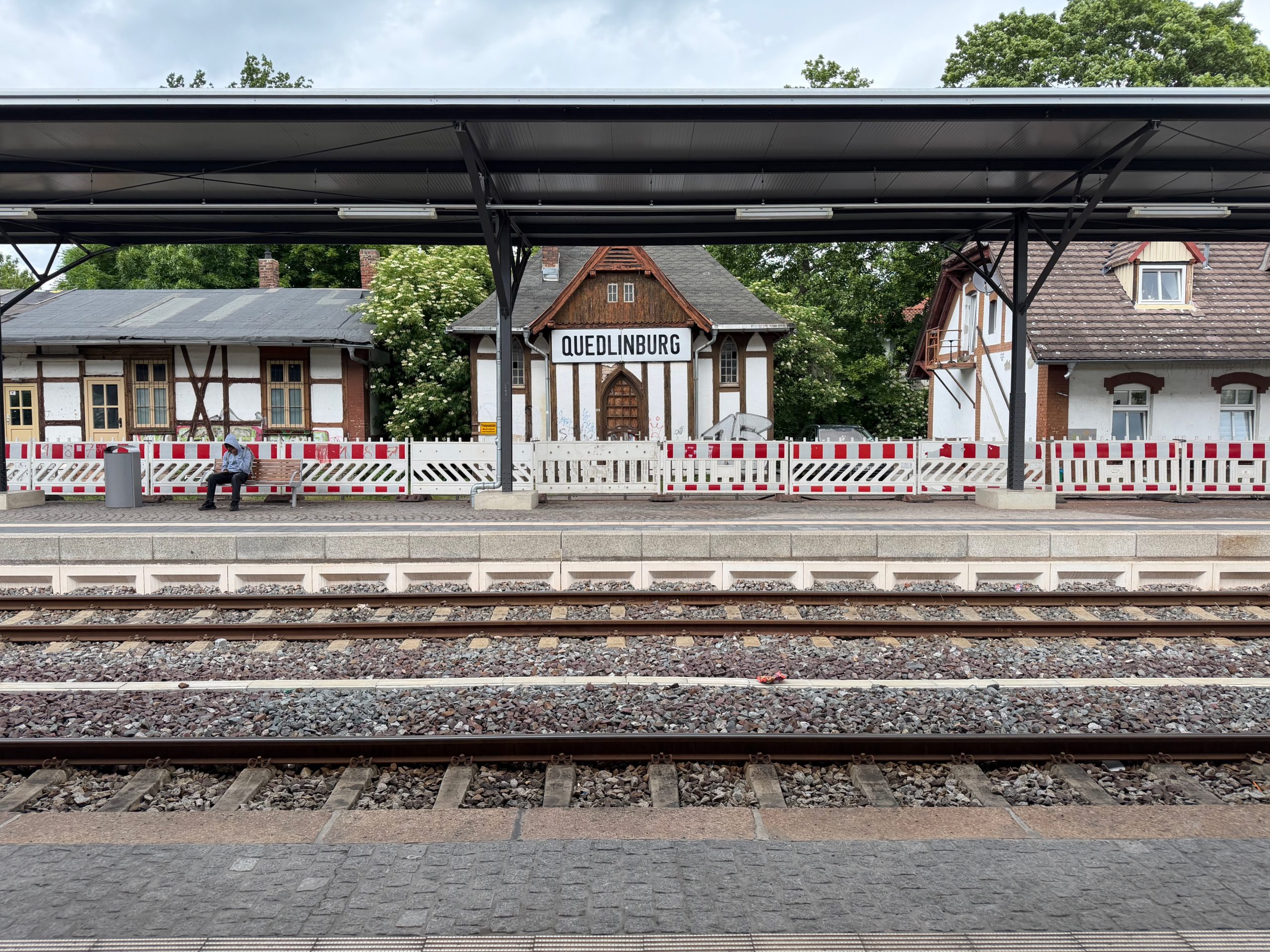
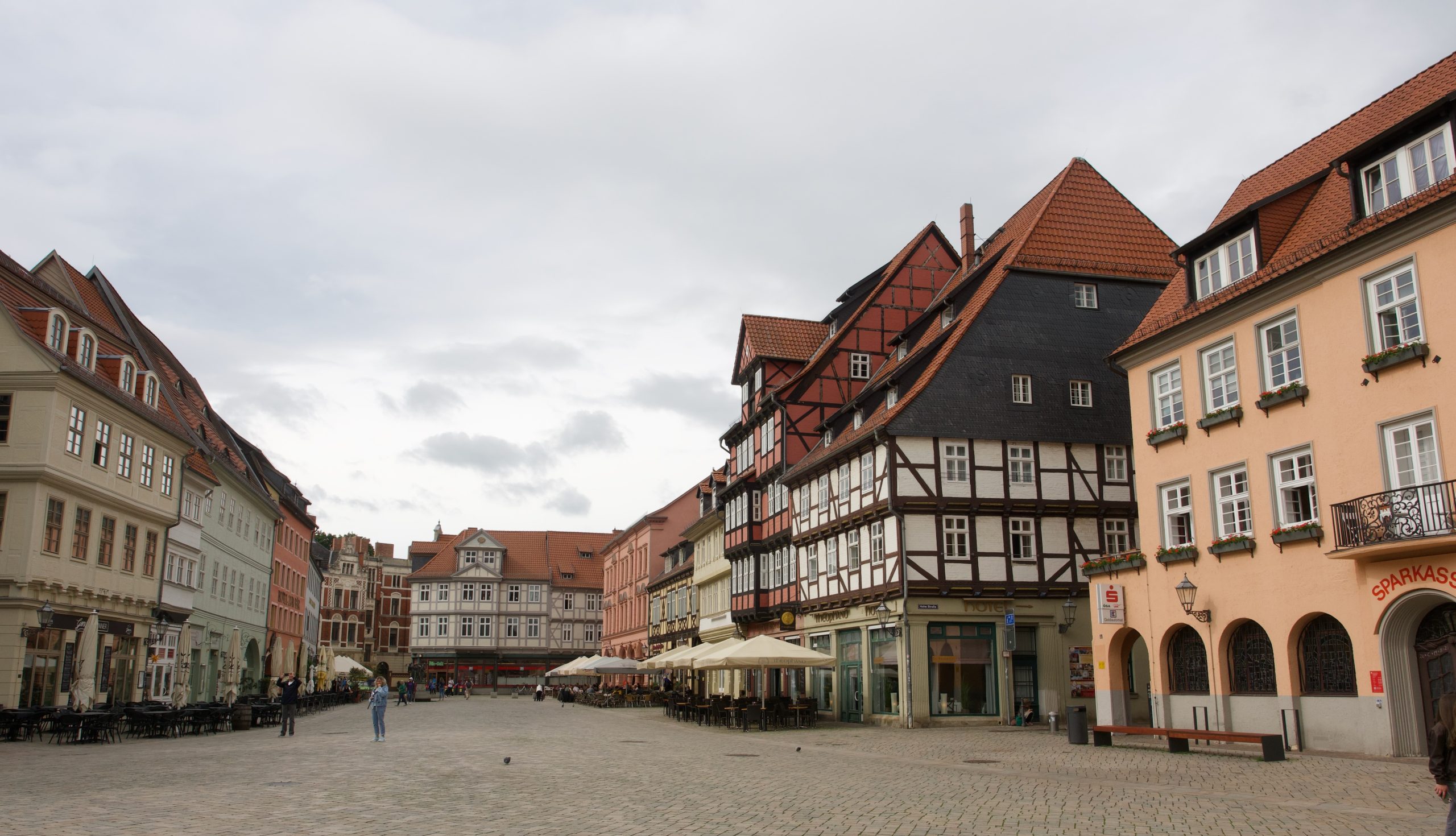
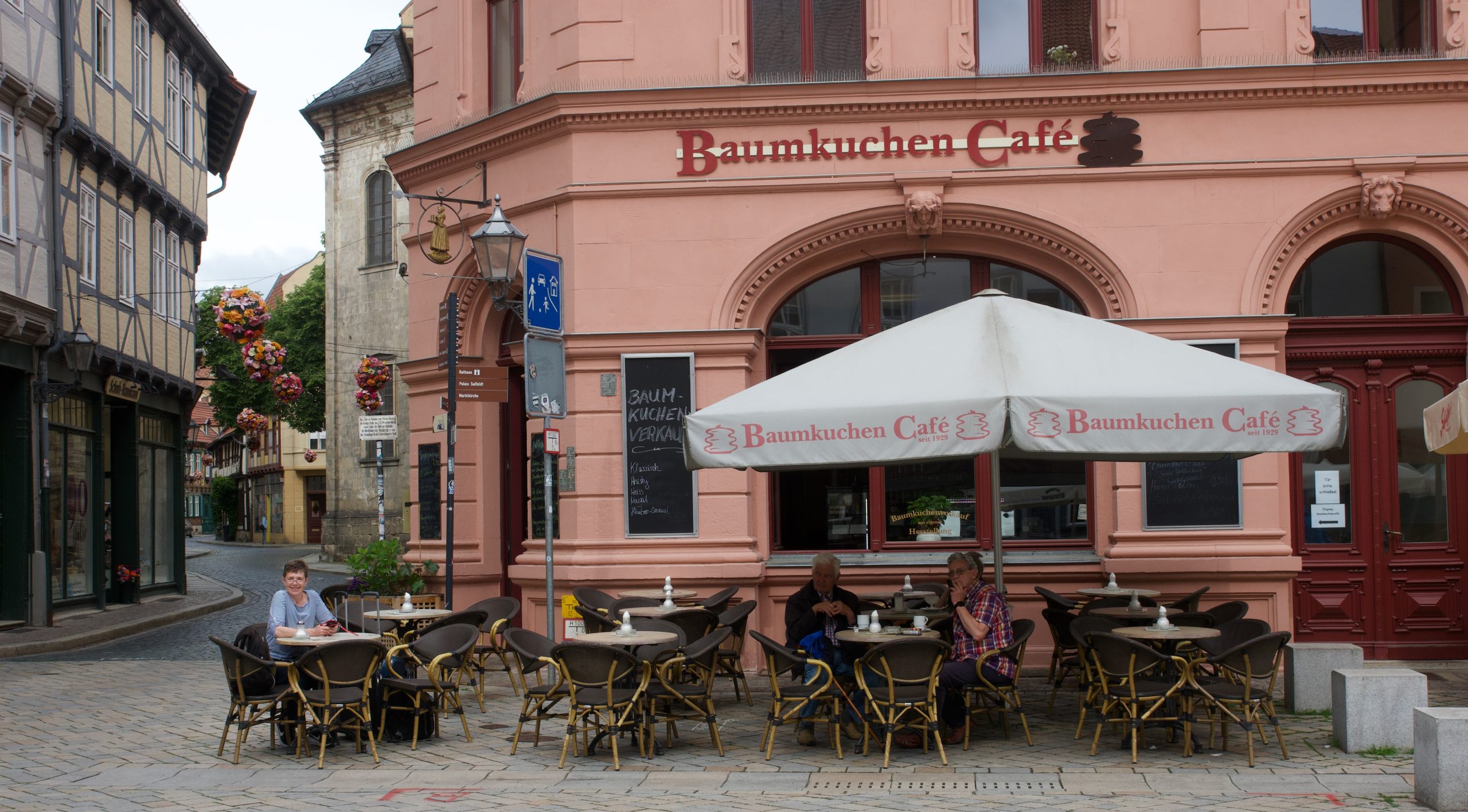
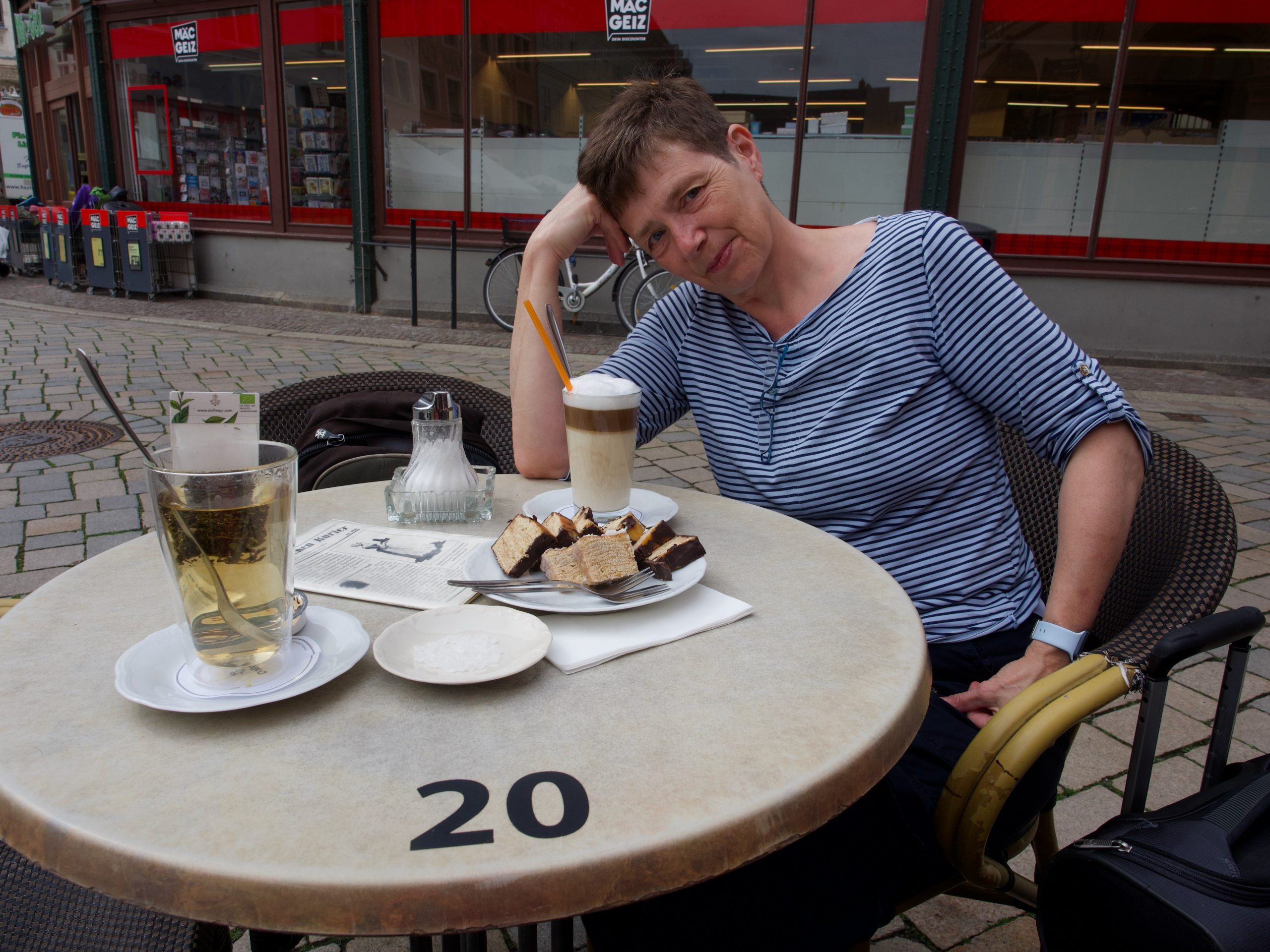
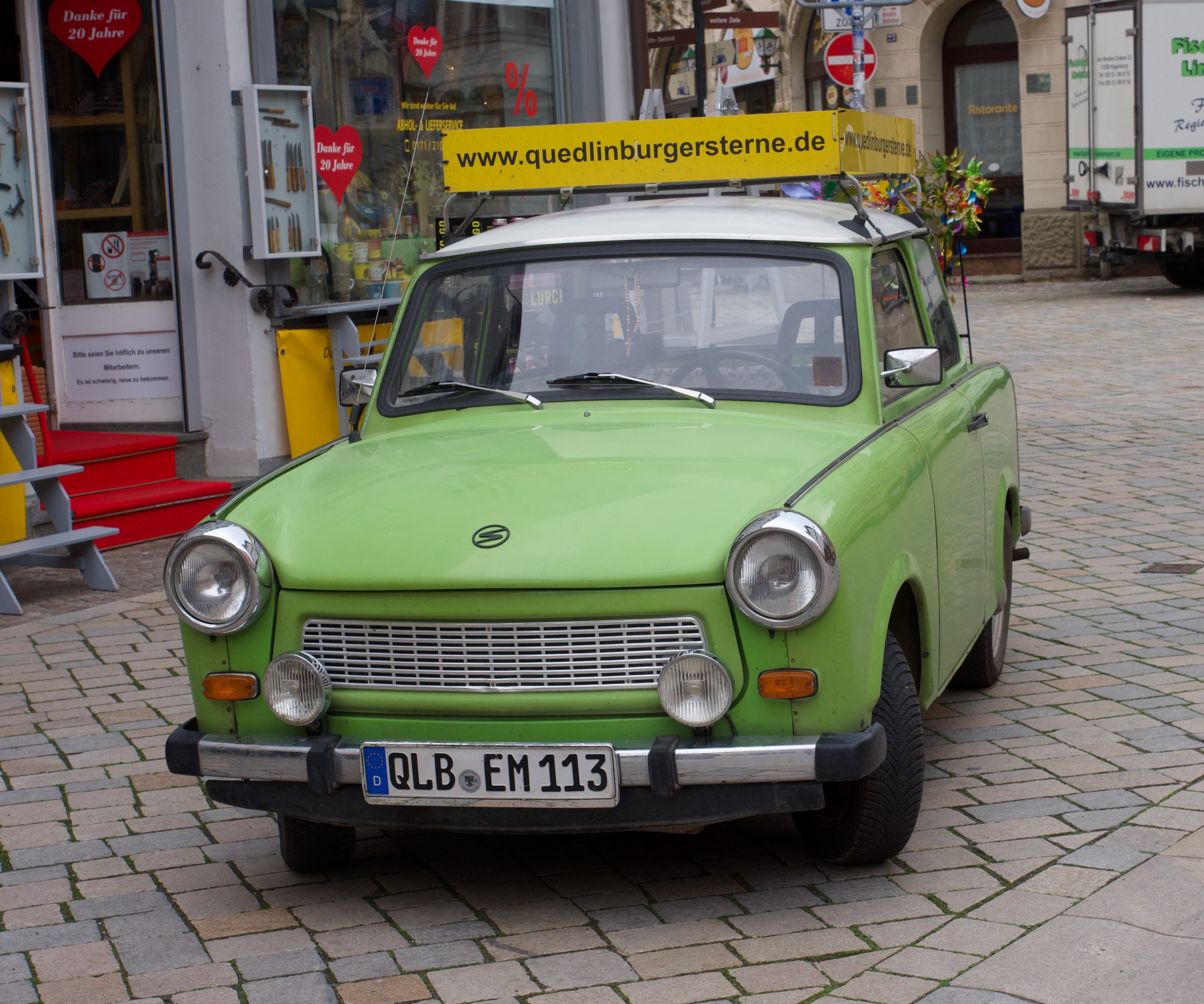
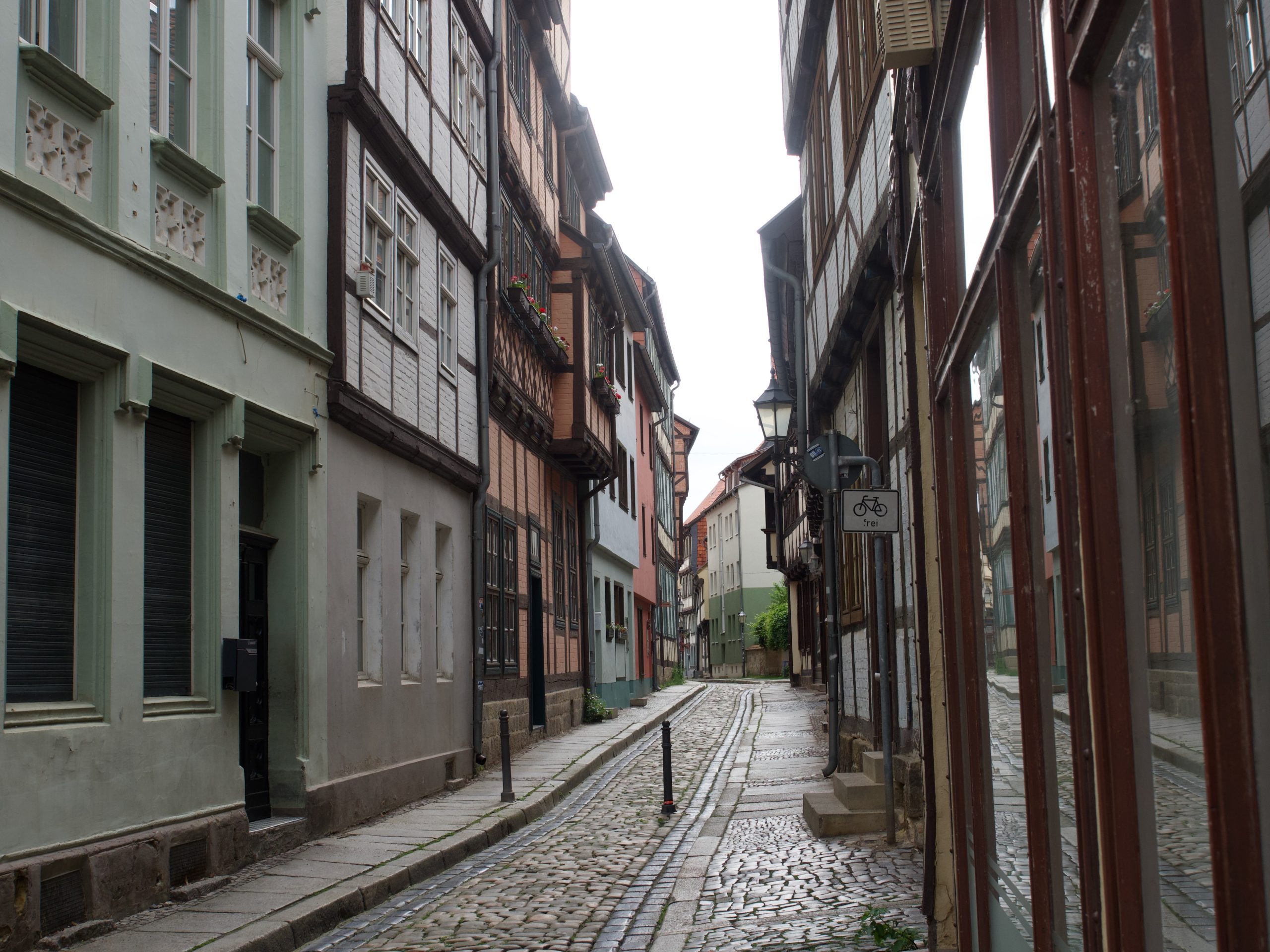
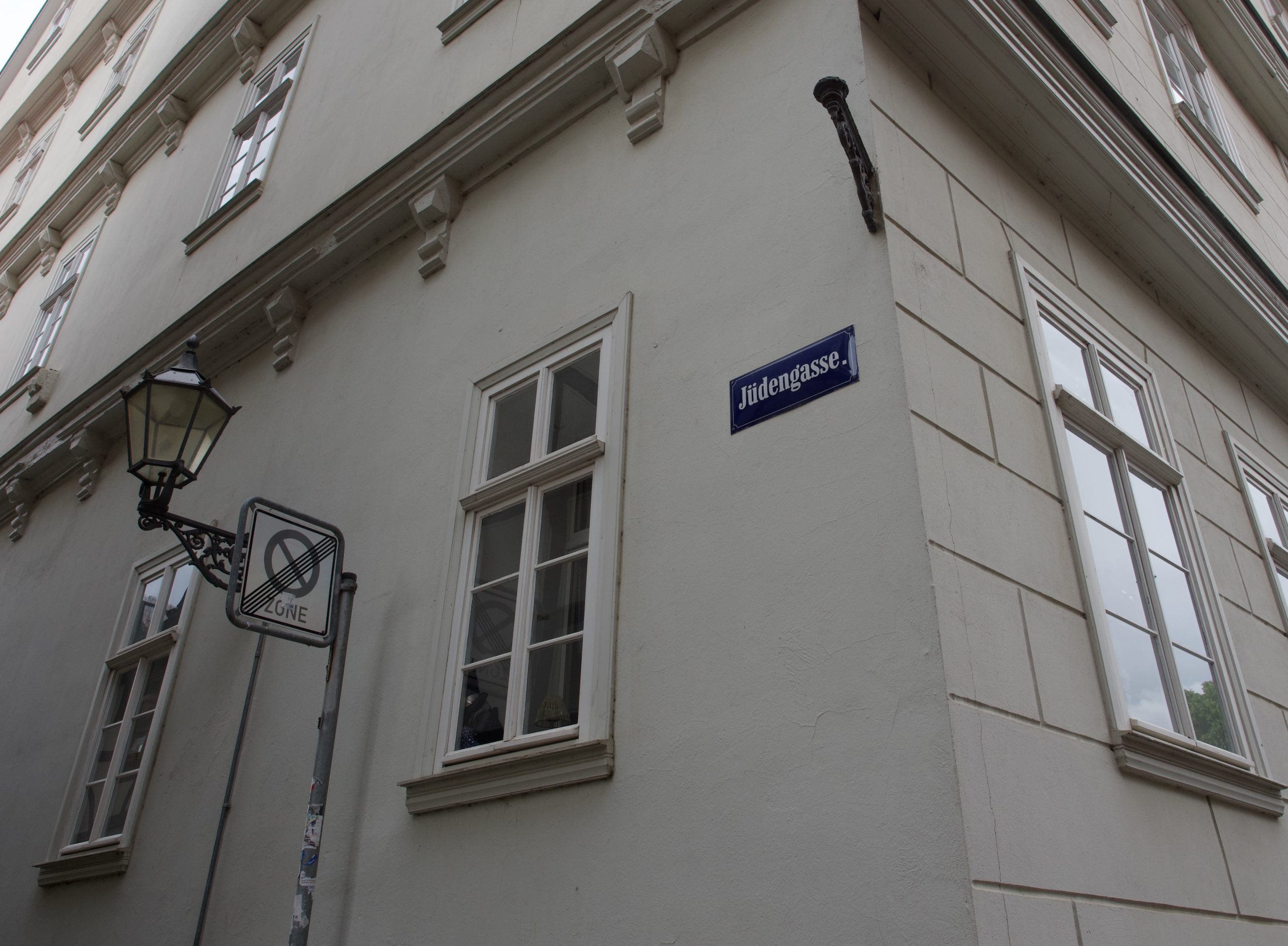
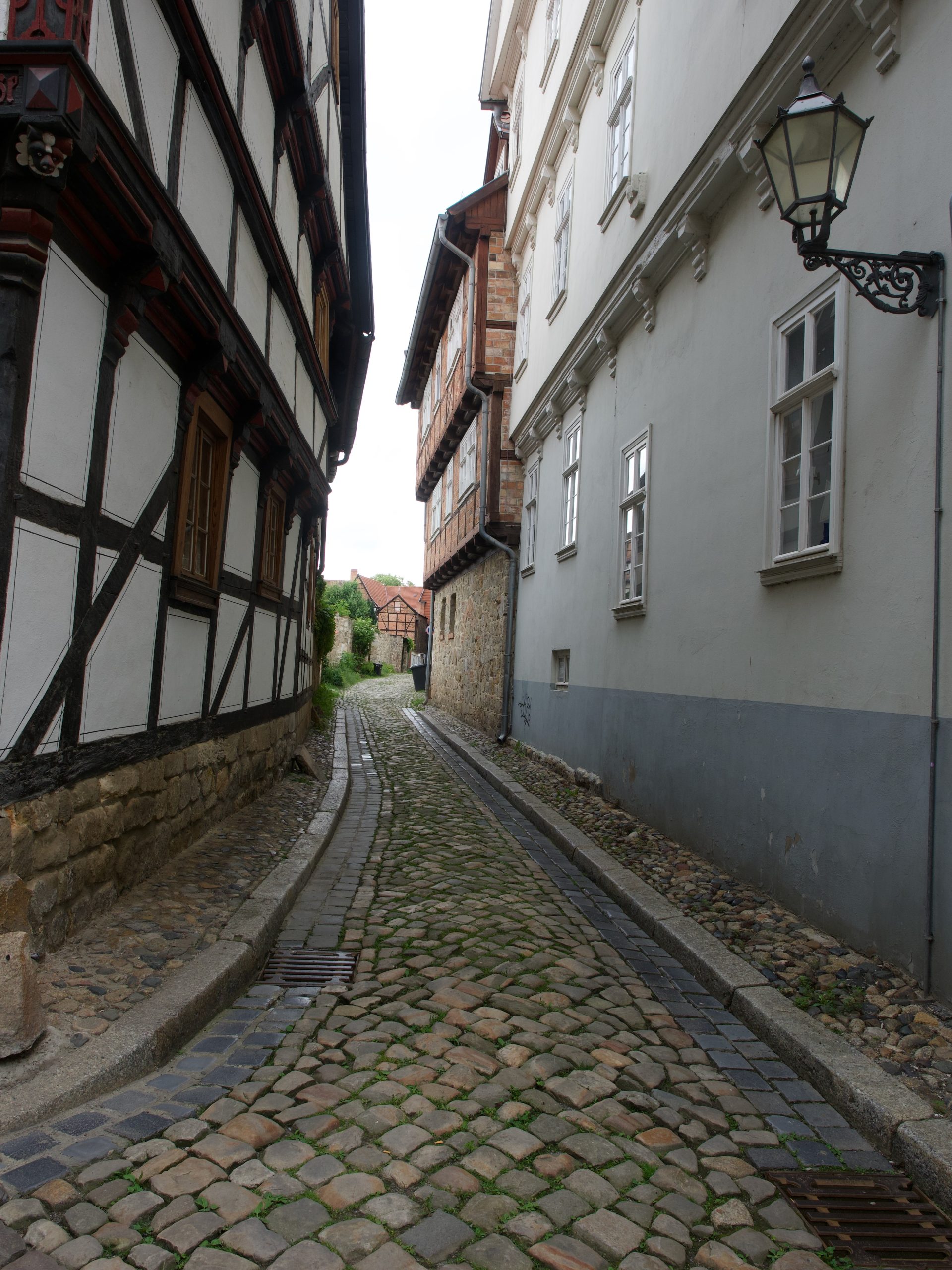
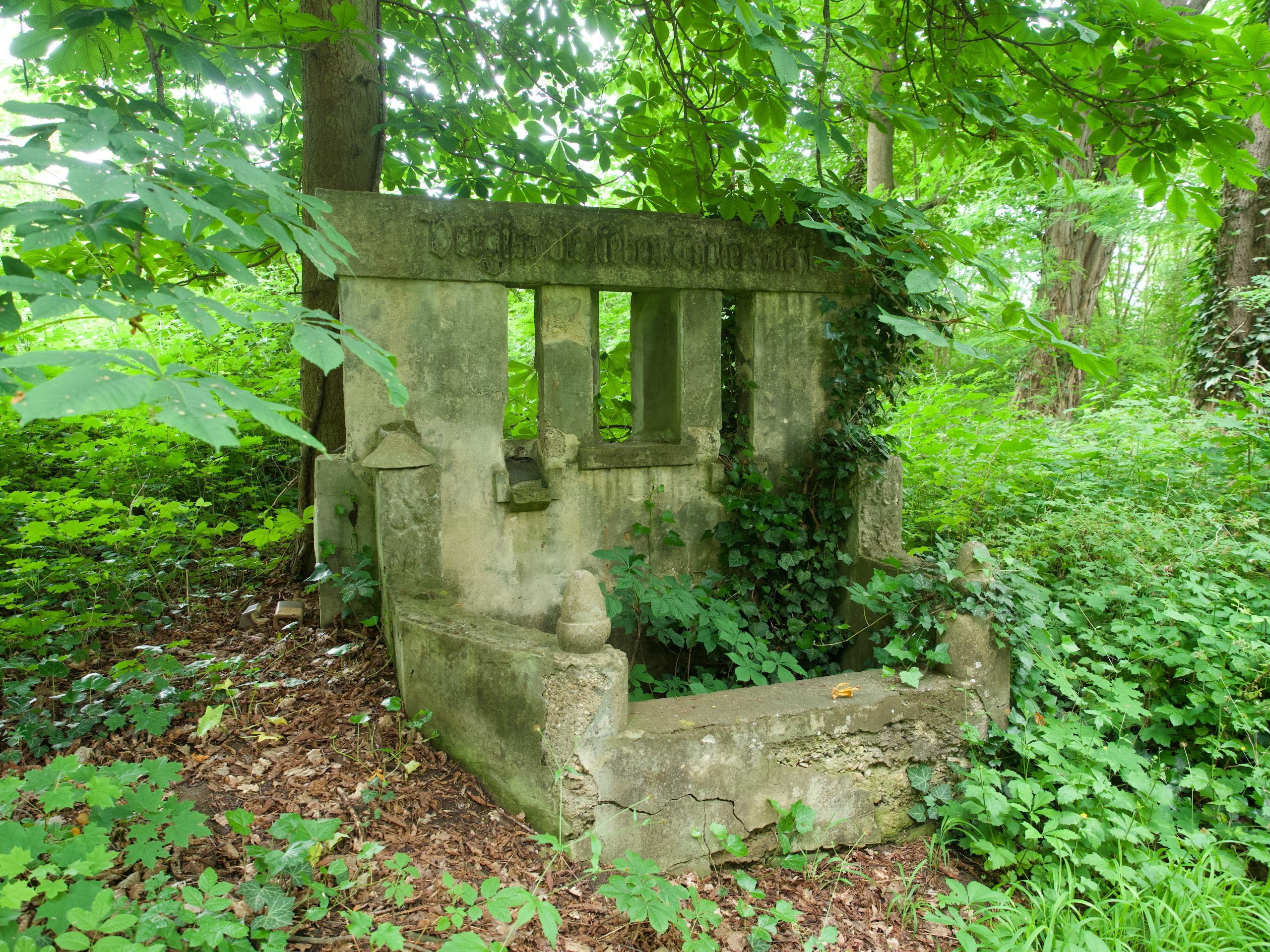
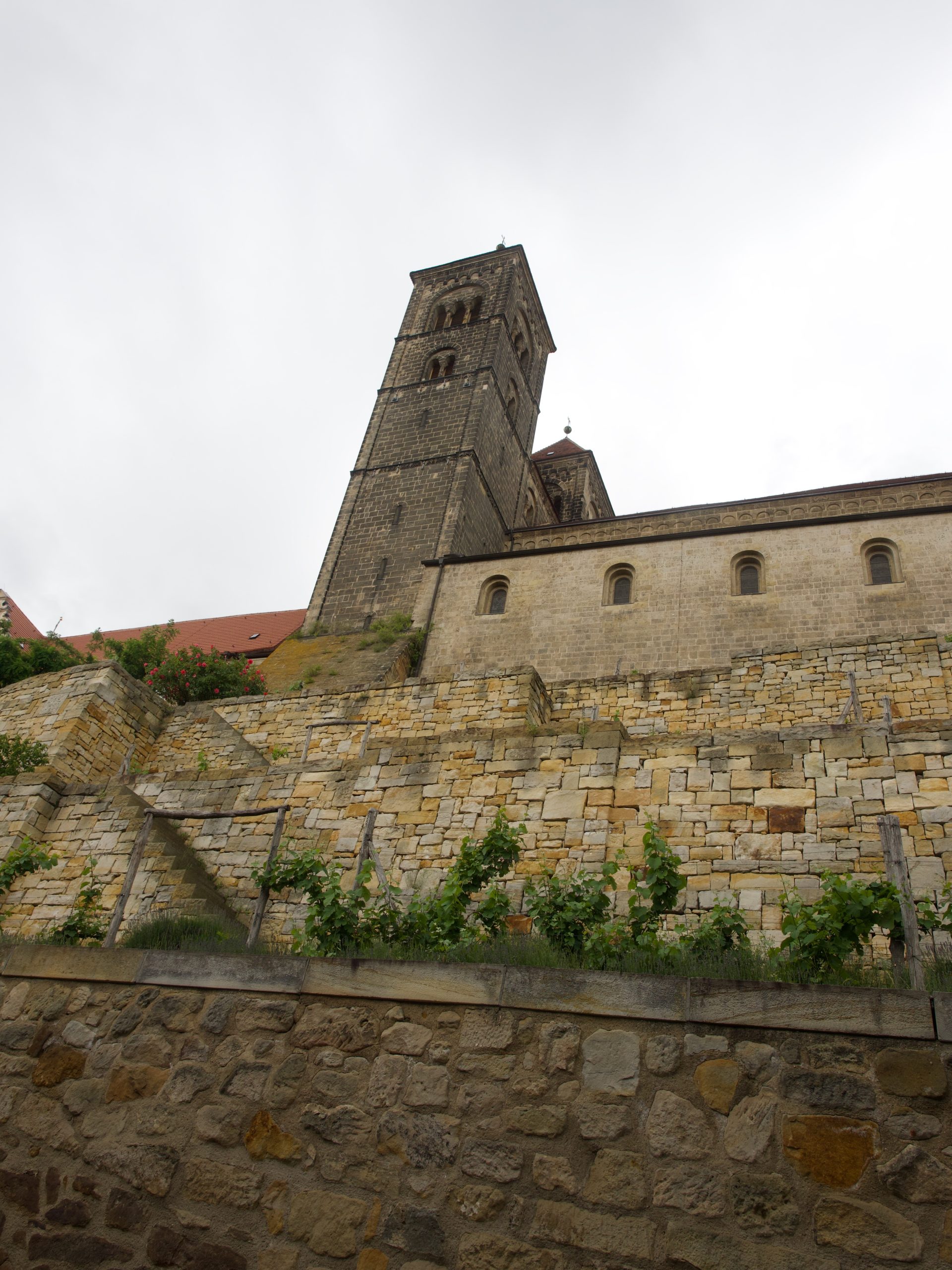
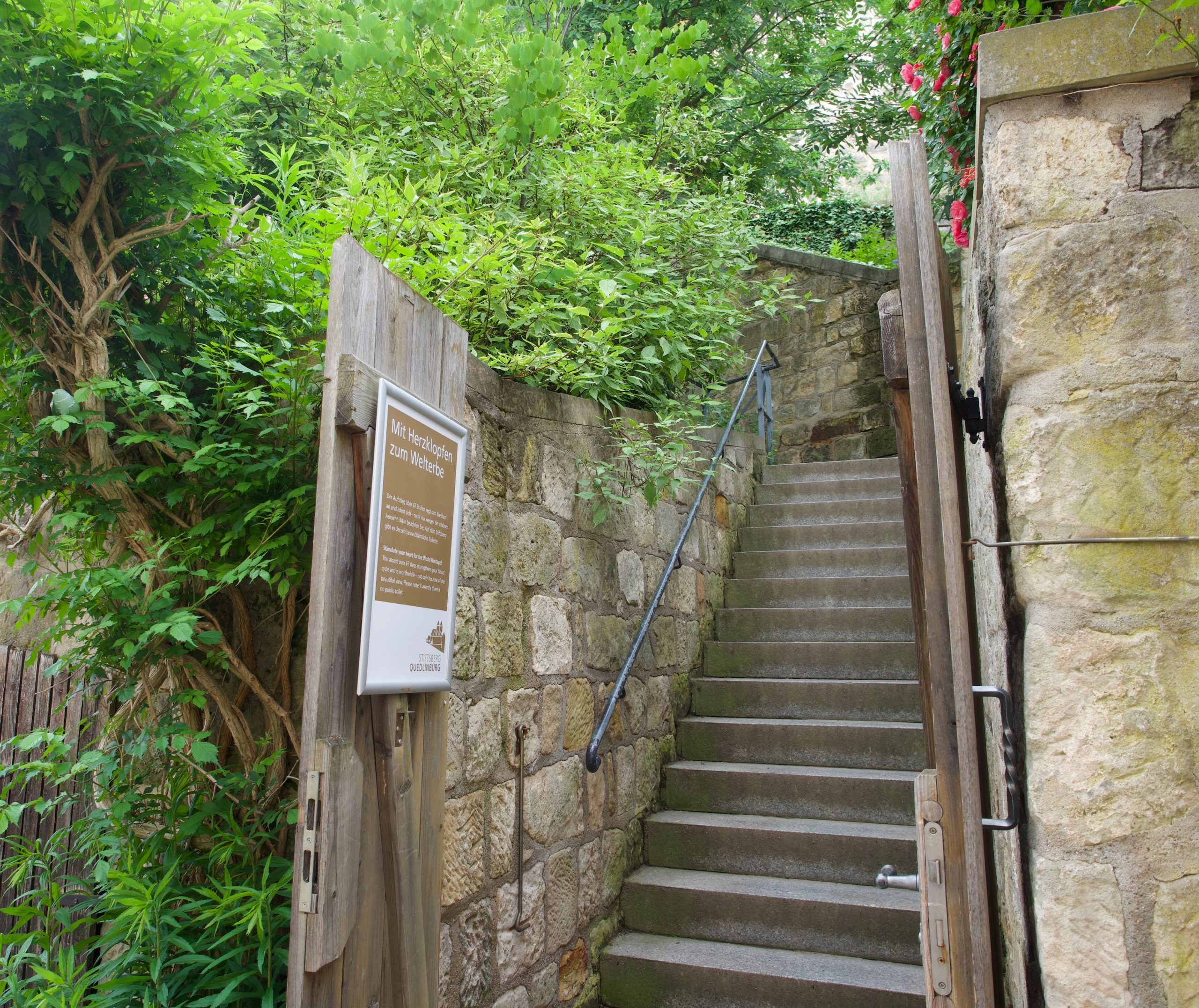
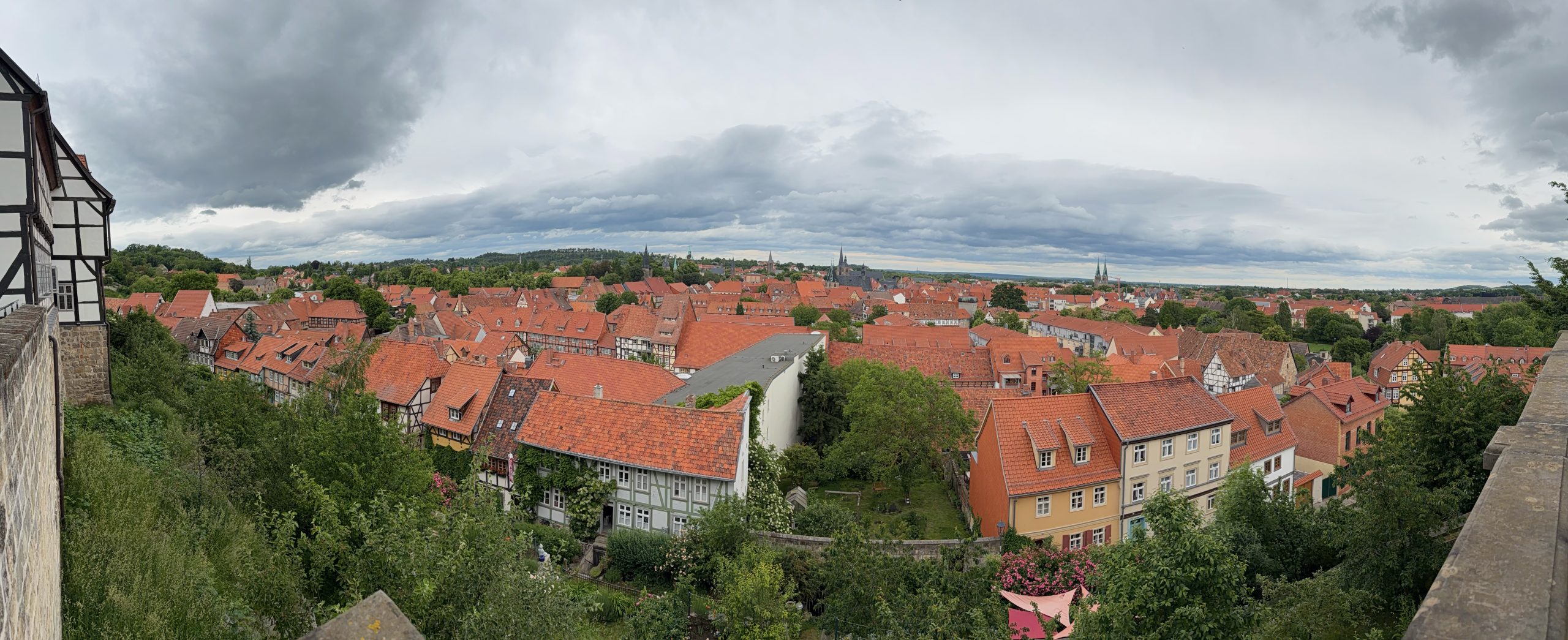
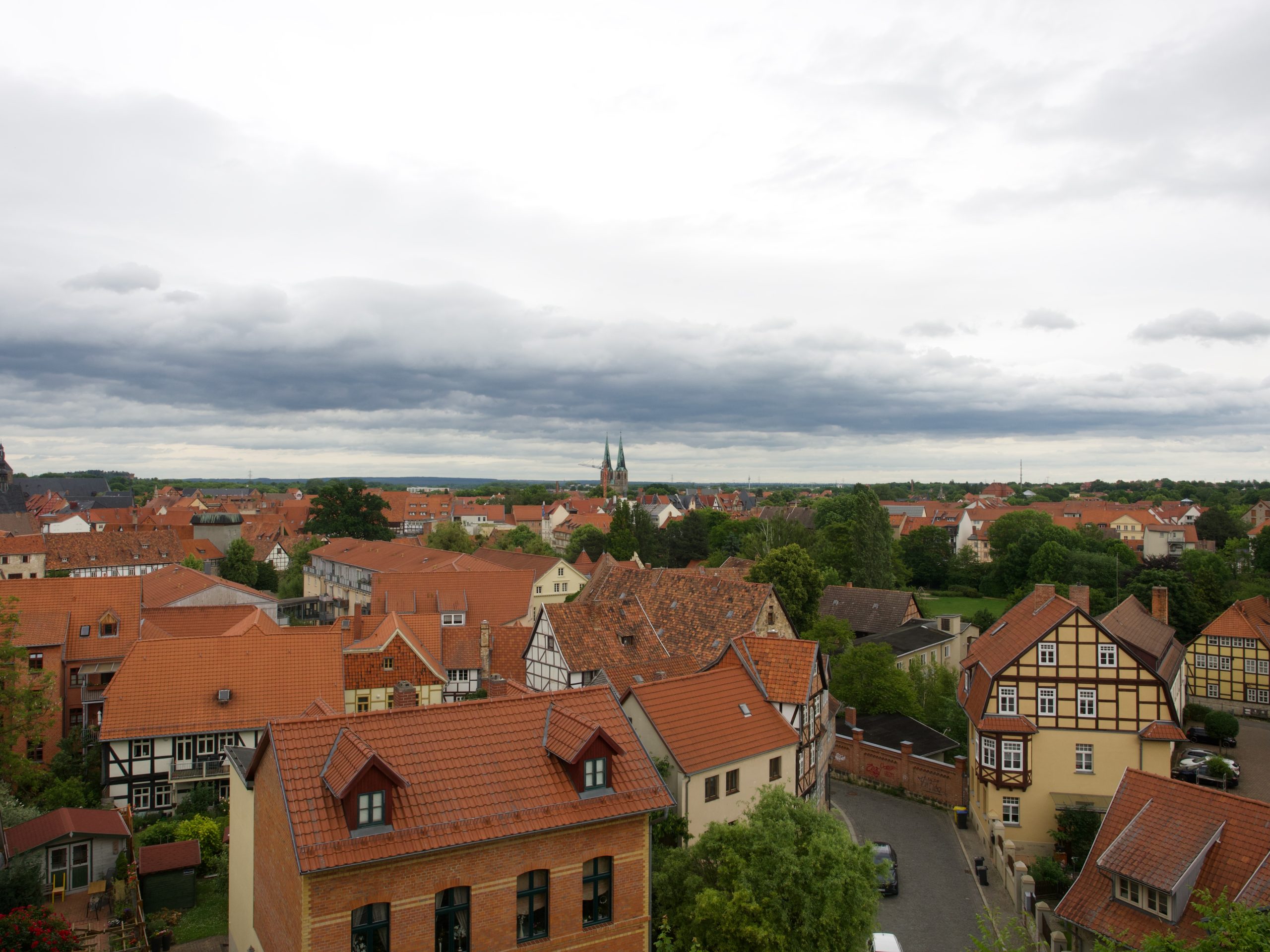
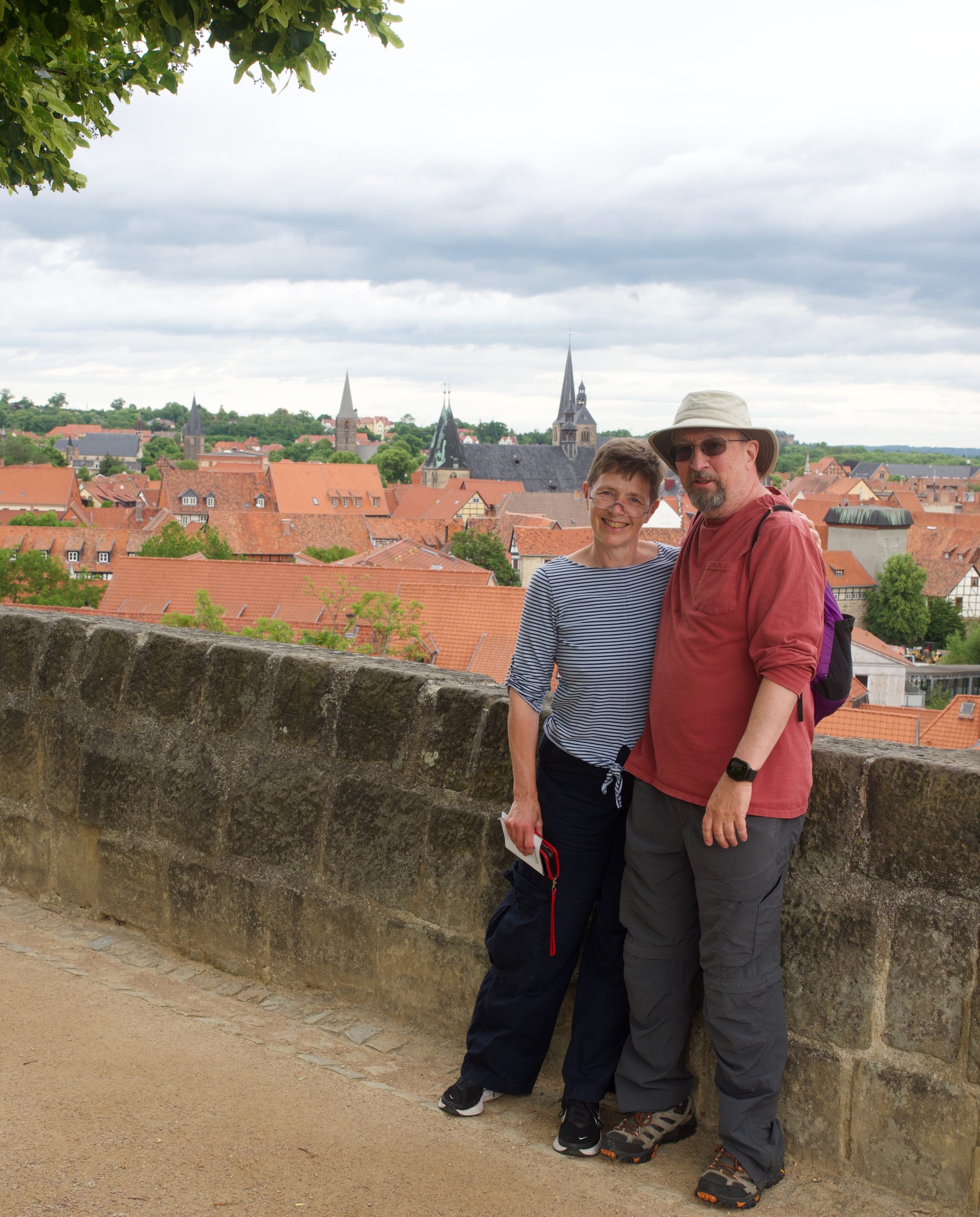
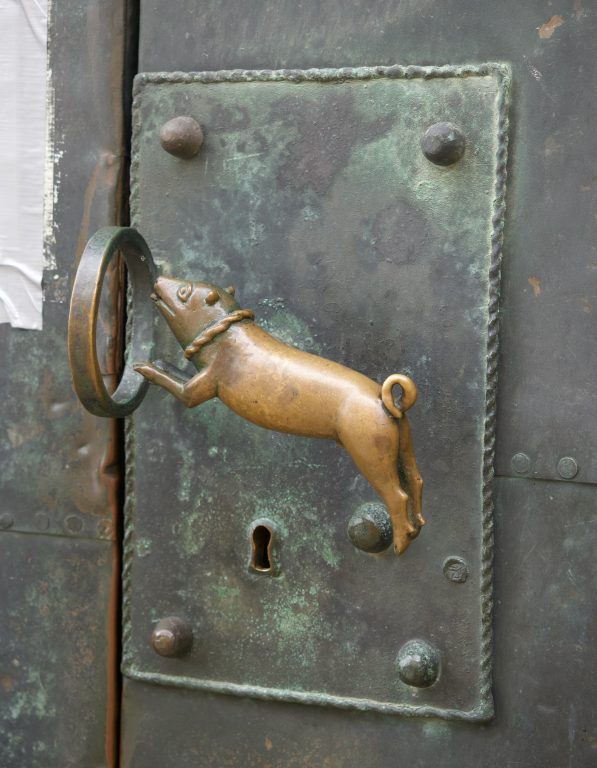
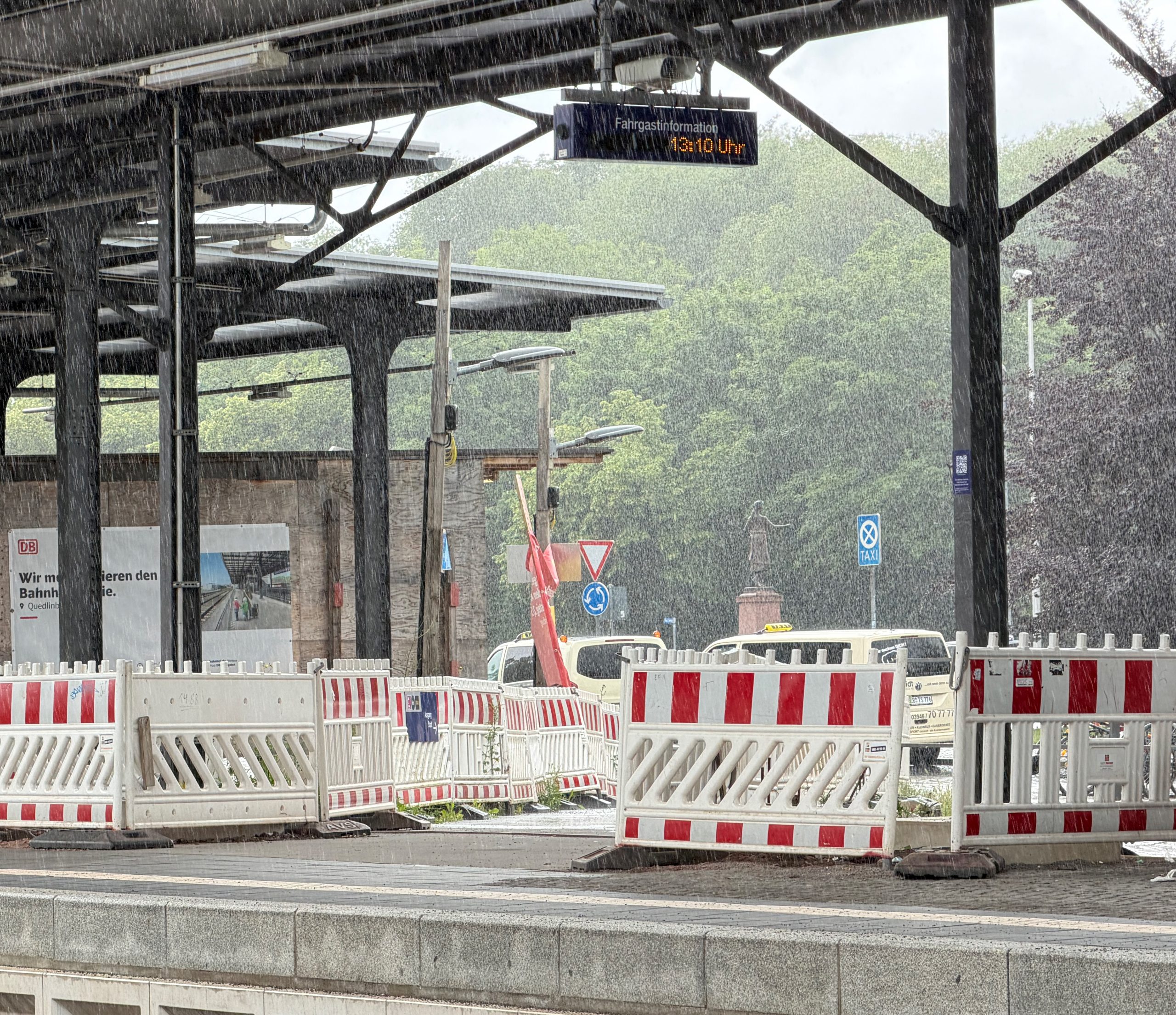
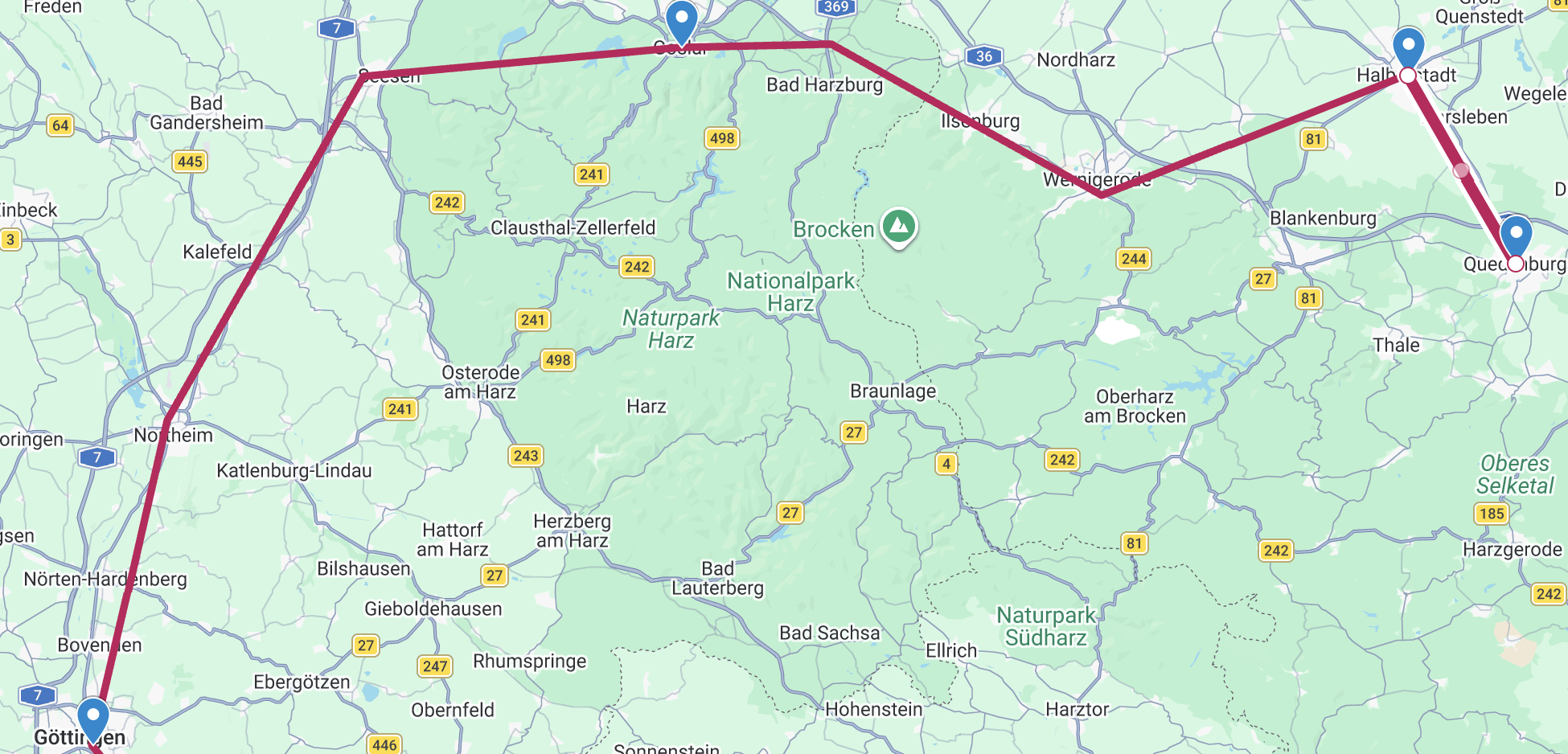
After we made it back to the train station around 1 pm, it promptly started to rain and briefly really poured while we sat and watched, and then took a series of regional trains: first back to Halberstadt, then to Goslar, where we spent a brief half hour at the edge of the old town a few minutes away from the train station, and eventually arriving in Göttingen around 5 pm. (The route is very roundabout, because many of the old train routes that were cut off by the former East-West border were never brought back.)
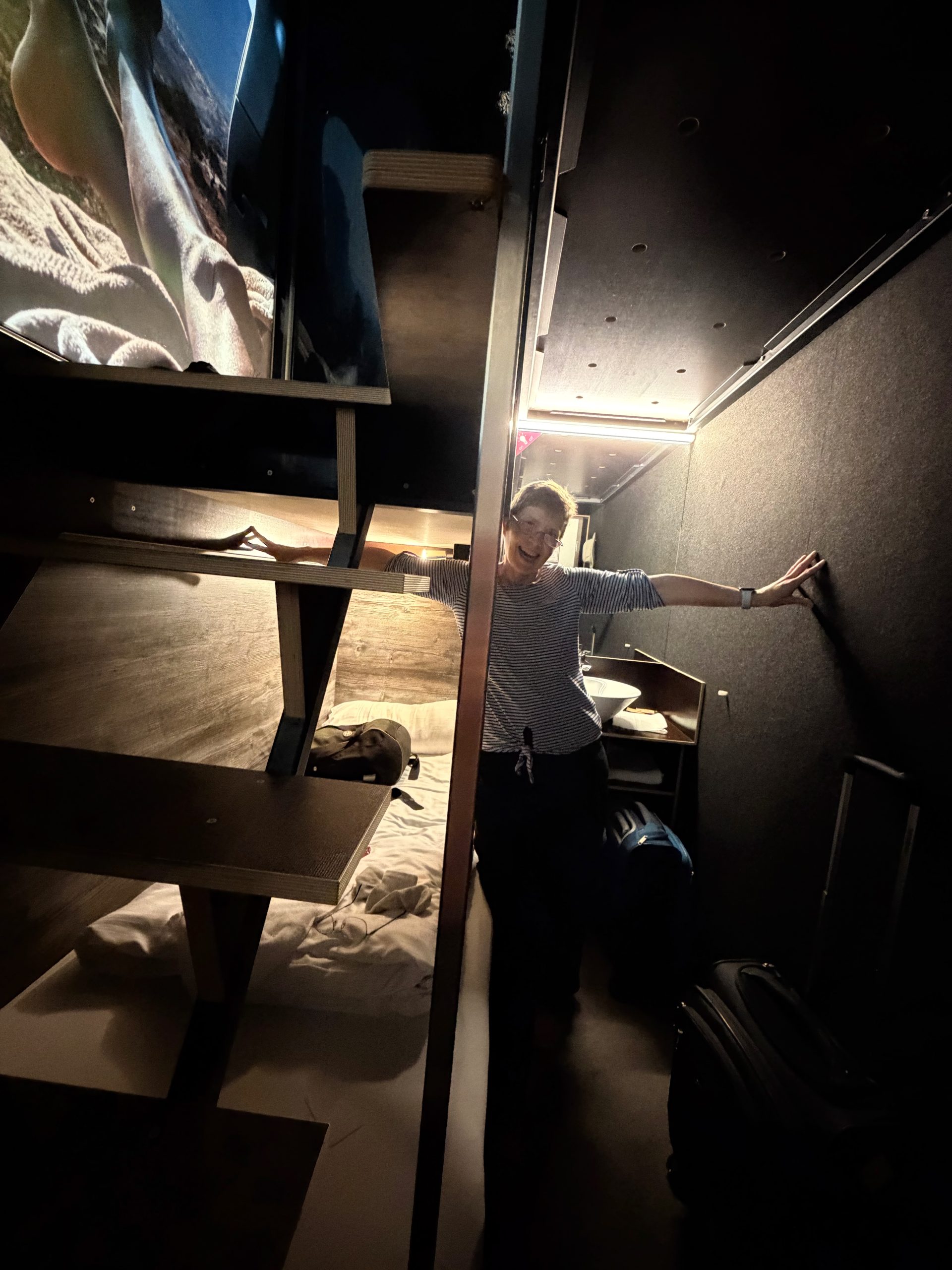
Once arrived, it took us about 10 minutes to make our way to the hotel–or rather, our dry-land ship’s cabin. Mark is always curious about odd hotels, and I am a cheapskate, so I had taken a risk and booked us a $45 room in a “Boxhotel,” which features bunkbeds in teeny tiny windowless “boxes,” with a sink and a shower, but toilets in the hallway. There is literally no space to turn around, and it is a bit more claustrophobic than I had imagined (fresh air is not a thing in these “boxes”), but it’s definitely an experience, and the way it has made us giggle has made it all worth it. We had a quick dinner at a Cafe Bar Celona, a chain café that sells decent salads and breads, and then spent part of the evening in the world’s cleanest laundromat to make sure we had enough clothes for the next few days on the road (or rather, on trains and buses). We’ll see how we sleep in a human-sized shoebox!