We had a very intense and fabulously interesting day exploring the traces of the Jewish communities of Vienna from the Middle Ages to their near-eradication during the Holocaust. (There is a sizable Jewish community in Vienna again, but it is harder to trace or locate in one specific area.) I am so grateful everyone indulged me in my current obsession (in fact, Andrea absolutely insisted). So after yogurt and cereal for breakfast, we set out to the city center again, on this bright summer day which got increasingly toasty, eventually hitting temperatures in the low 90s (above 30 C).
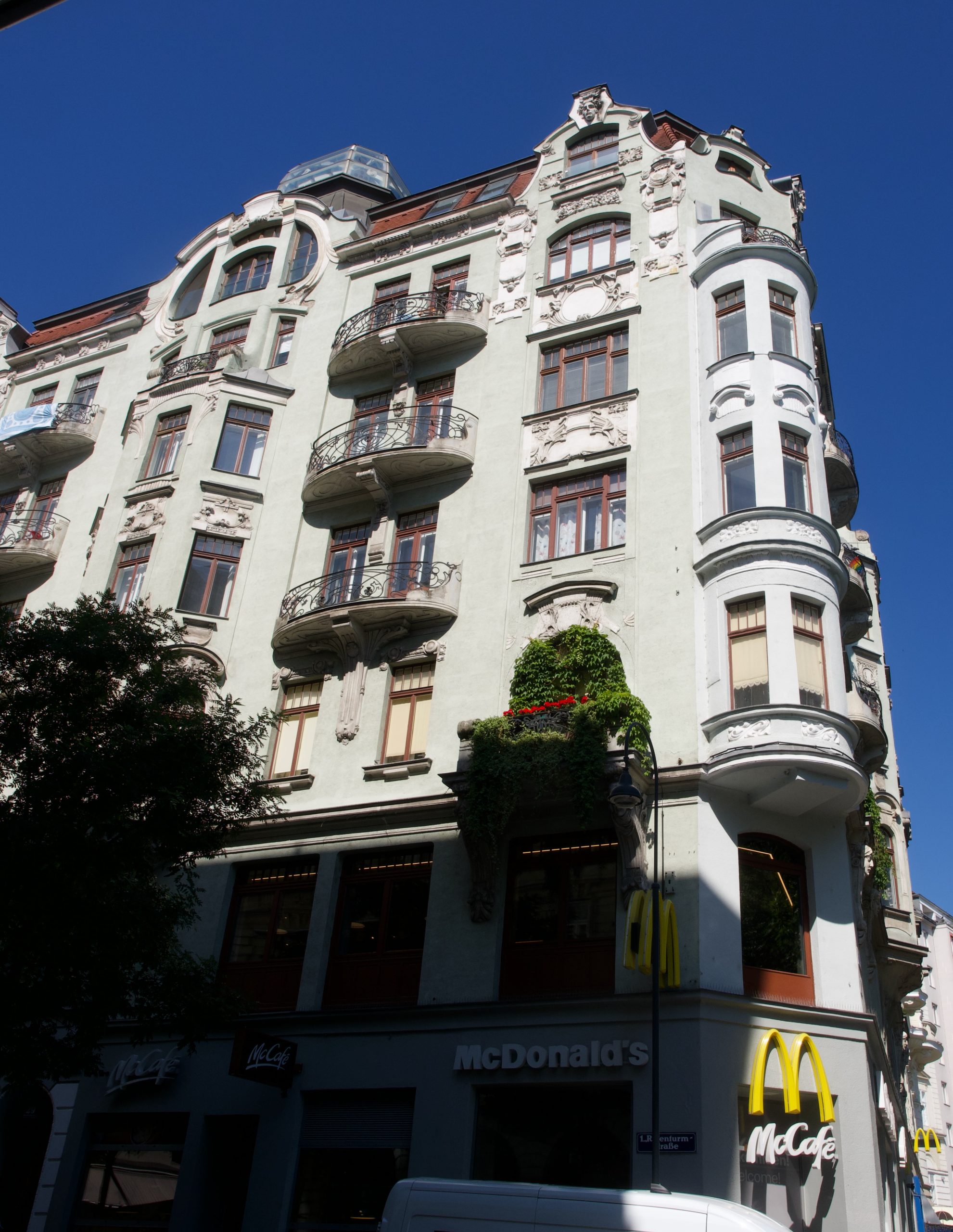
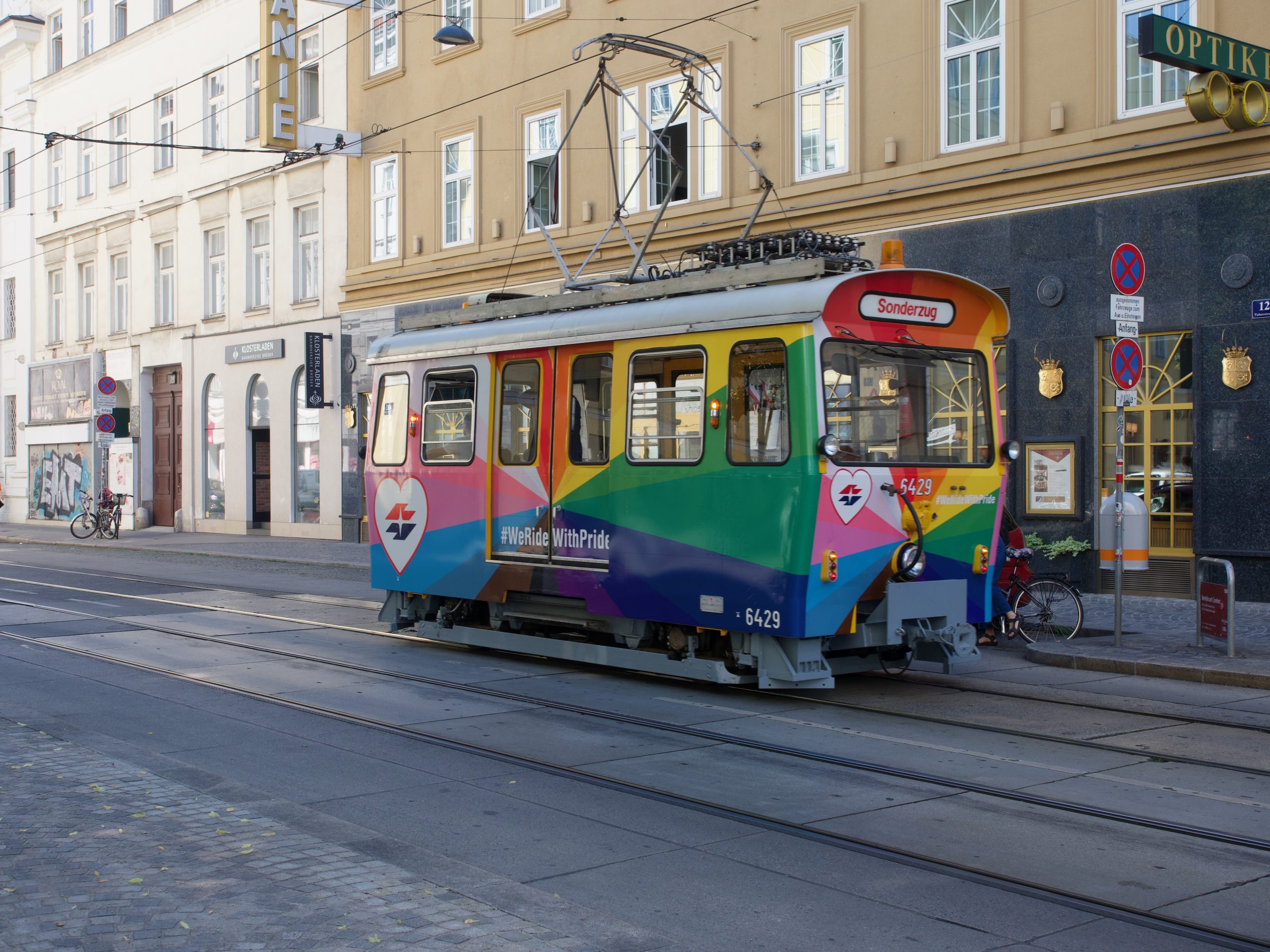
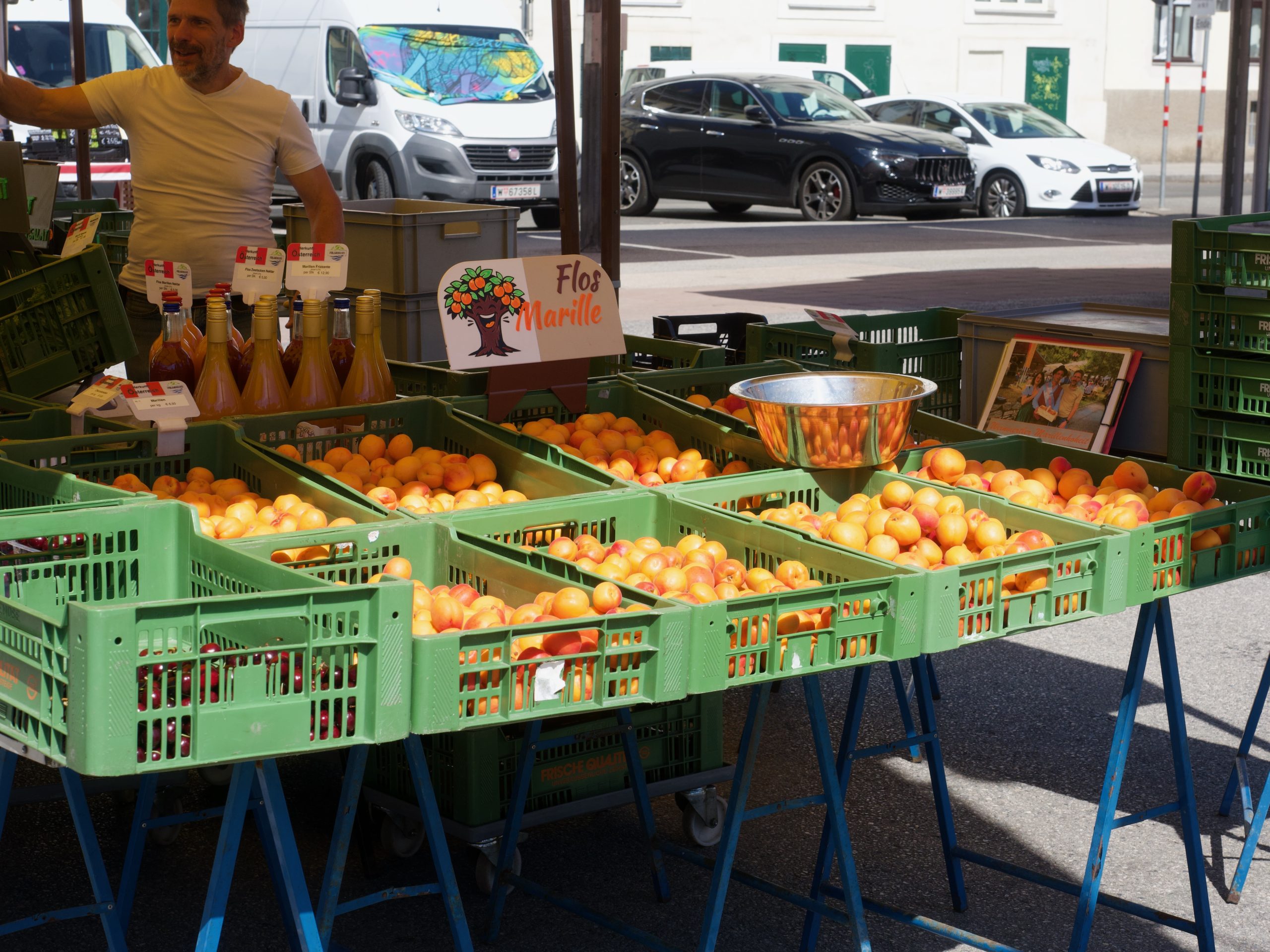
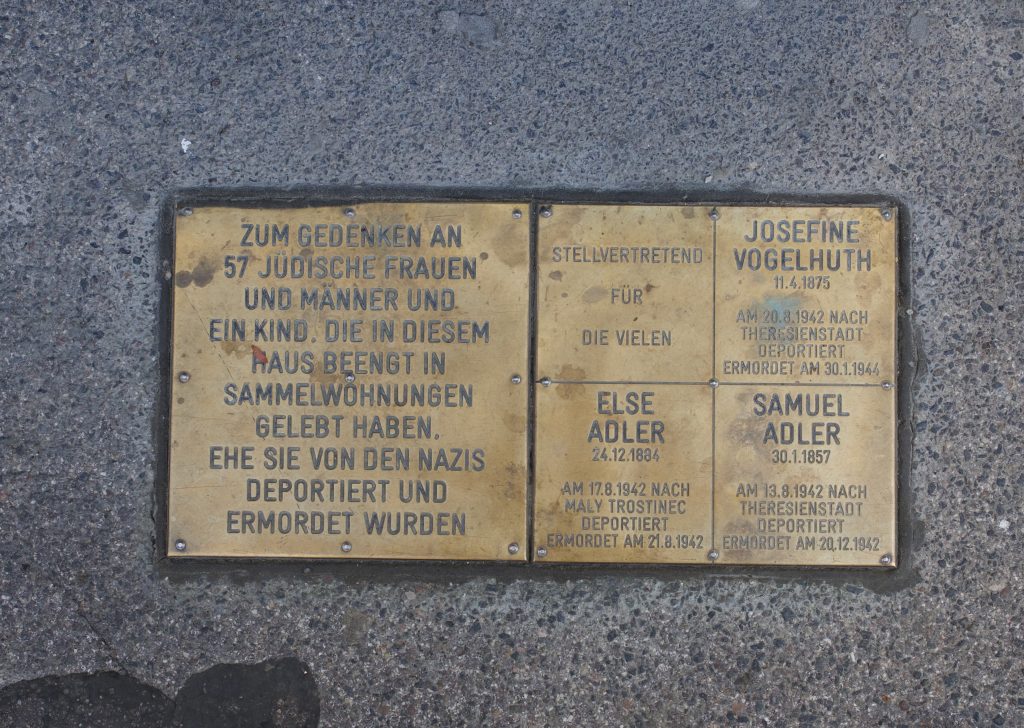
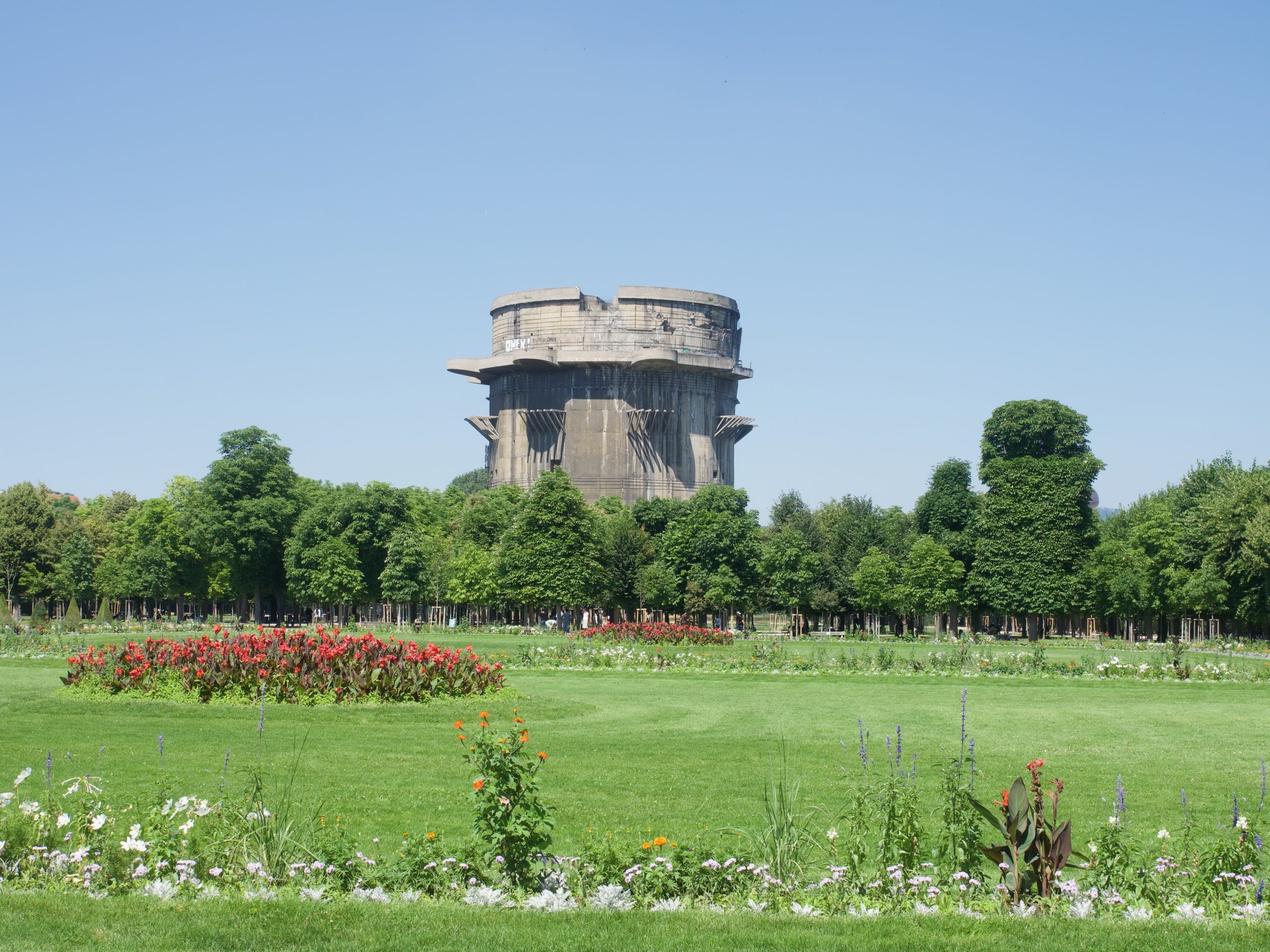
We walked from the Stephansdom to the Danube Canal (Donaukanal) and then followed the suggestions of an app put together by the Vienna tourism board (IVIE) for a walk through the Karmeliterviertel, the neighborhood that used to be primarily (although not exclusively) a Jewish neighborhood in the 19th and early 20th centuries (as was nearby Leopoldstadt) and where Jews have more recently settled again, so that there are some kosher bakers and butchers and other Jewish businesses. A costume shop that offered carnival and pride gear also advertised that it had Purim costumes. Mostly, though, the neighborhood is just residential Vienna, with many apartment buildings from the 1890s (“Gründerzeit”), a market square with a weekly farmers’ market, old Catholic churches, and many little shops and cafes. But we also saw many Stumbling Blocks (Stolpersteine), including ones that were designed to memorialize unnamed Jewish residents of the apartment complexes where Jews were forced to live in tight quarters, several families to an apartment, in the years before deportation. Very somber. We took a bit of a break by walking through a park called the Augarten, but even there, the reminders of the Nazi past were with us: they built two of the six or eight flak towers surrounding Vienna’s inner city right IN the park. The same indestructible concrete monstrosities that mar Hamburg and the Atlantic coast are here as well. As the city guide cheerfully put it, the Viennese are used to contradictions in their cityscape.
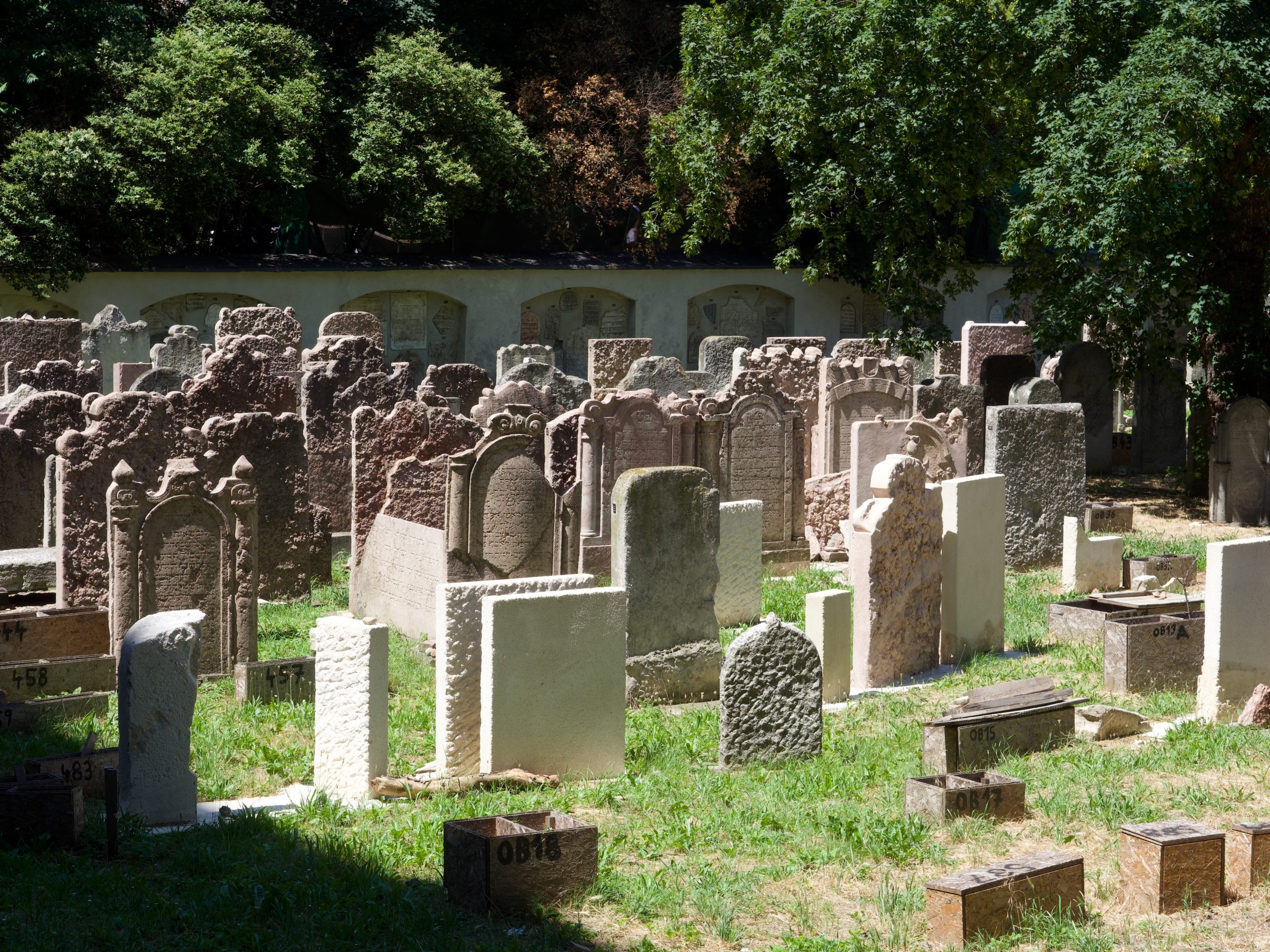
We then walked to a hidden piece of 16th century Jewish history: The Jewish cemetery at Seegasse 9 that was used from the 16th to the 18th century in the inner courtyard of a large, modern assisted living complex. It took the precise instructions in our guide to find it, since you have to walk past the facility’s reception and back out into the open. The cemetery was not in active use after the 1783, but as all Jewish cemeteries, it was preseved, until the Nazis trashed it. Some gravestones were saved at Vienna’s main cemeteries after that, by being buried, and since the 1980s, they have been put back into place bit by bit. But many were broken up and need to be reassembled, and that is an ongoing project. Another somber place. (No trace survives of the documented medieval Jewish cemetery, but there is a large cemetery a bit further away that we did not get to see.)
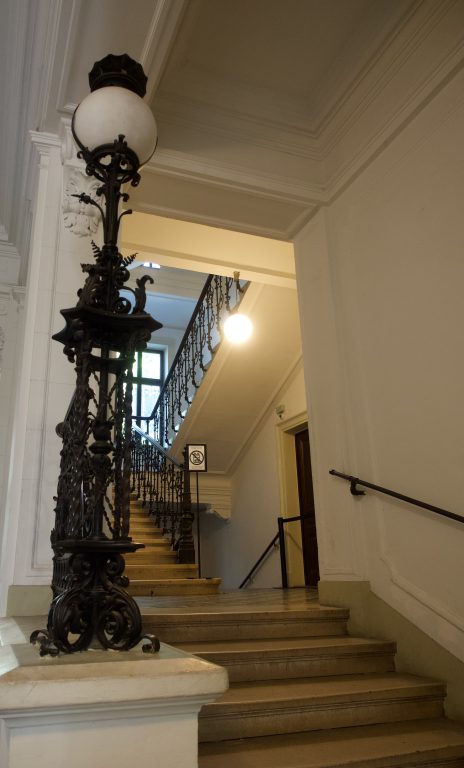
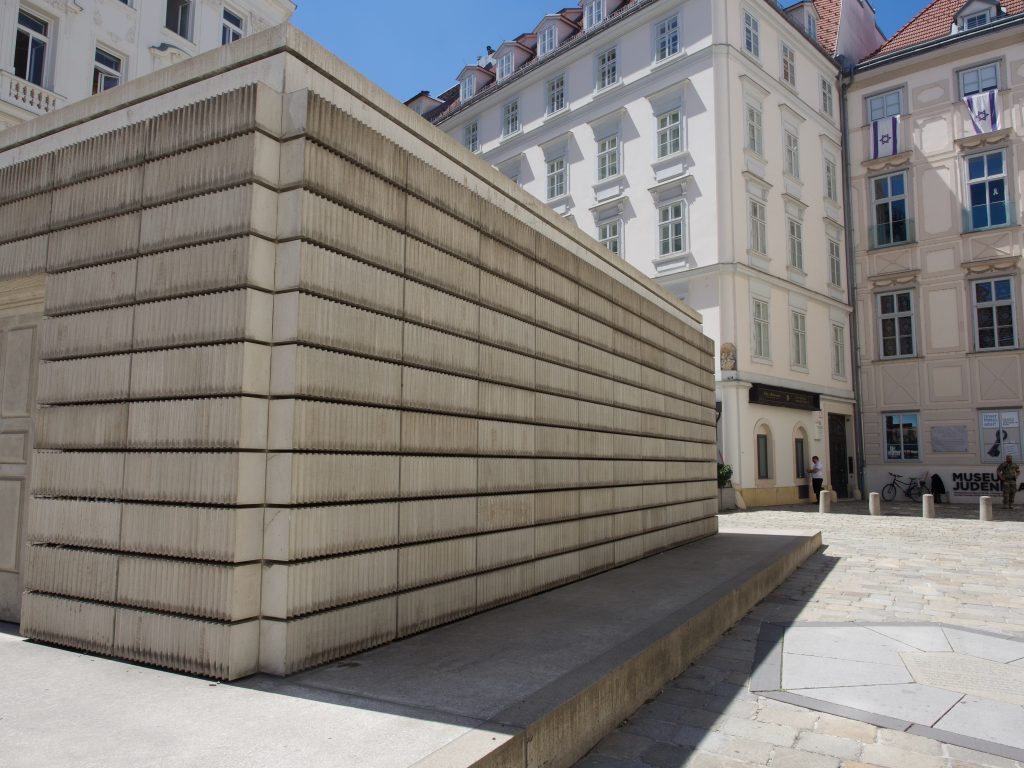
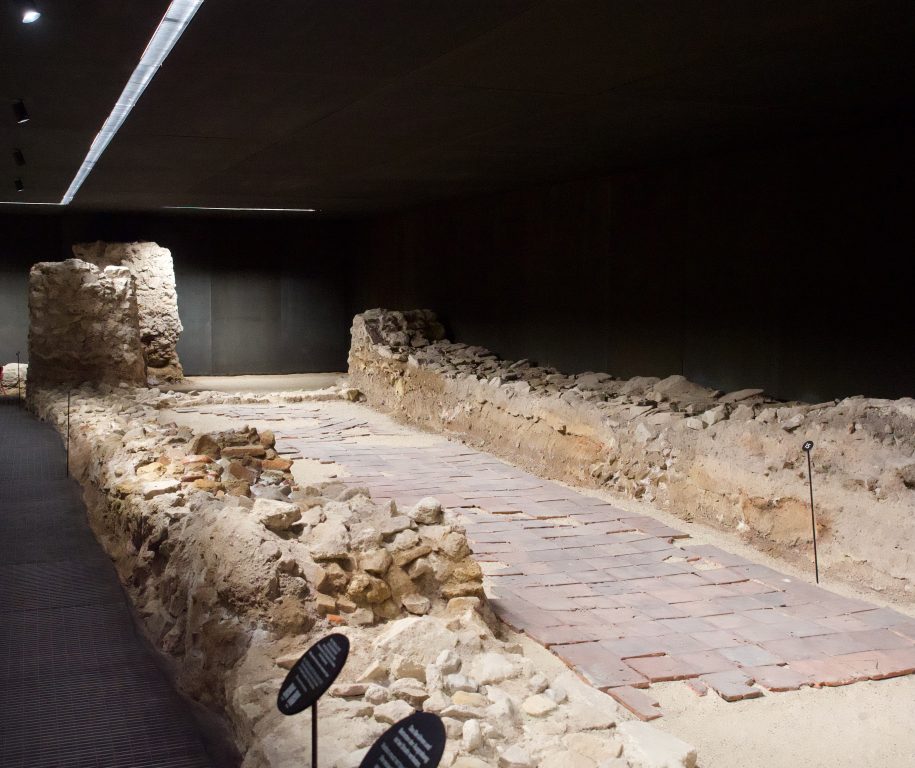
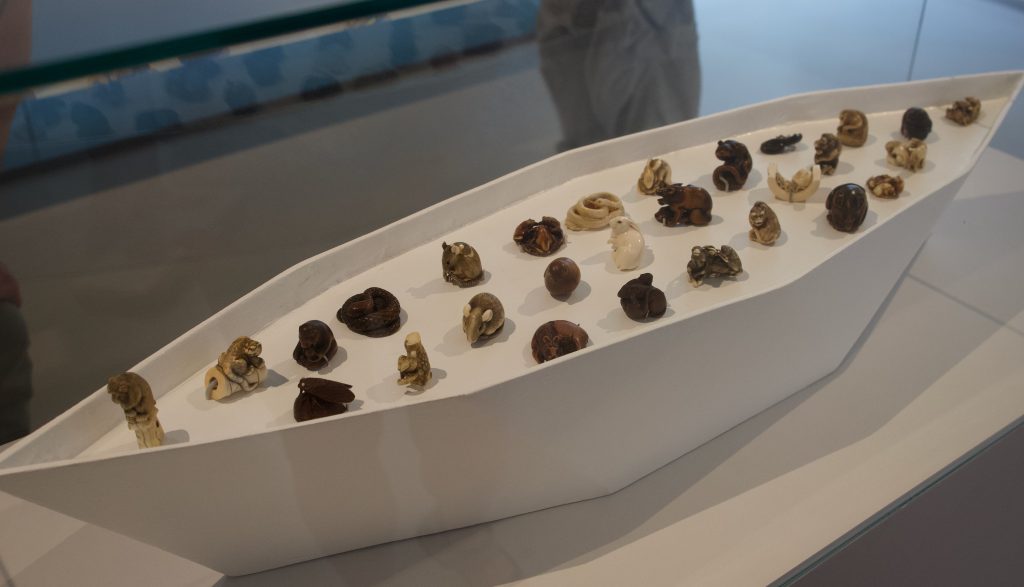
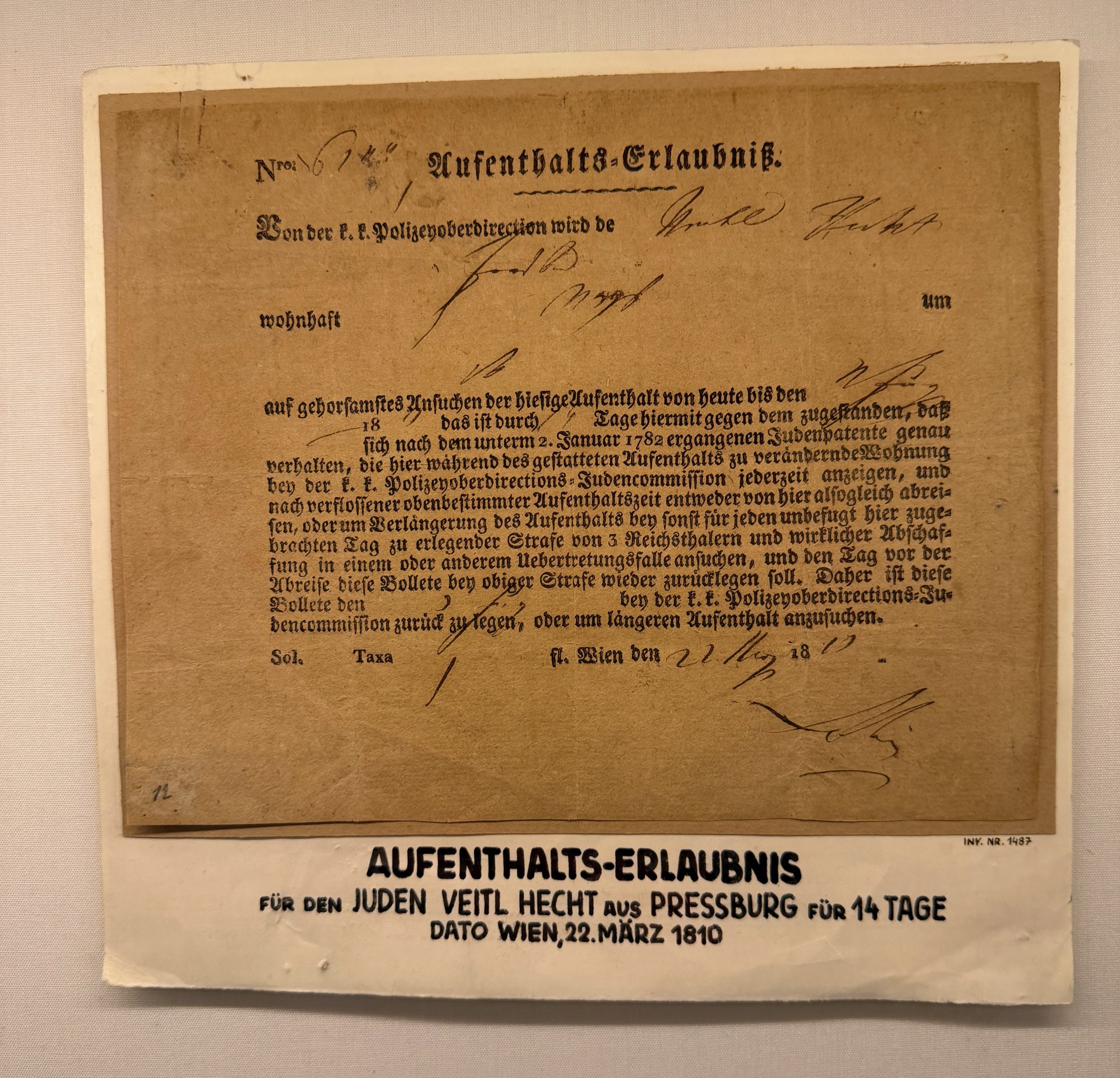
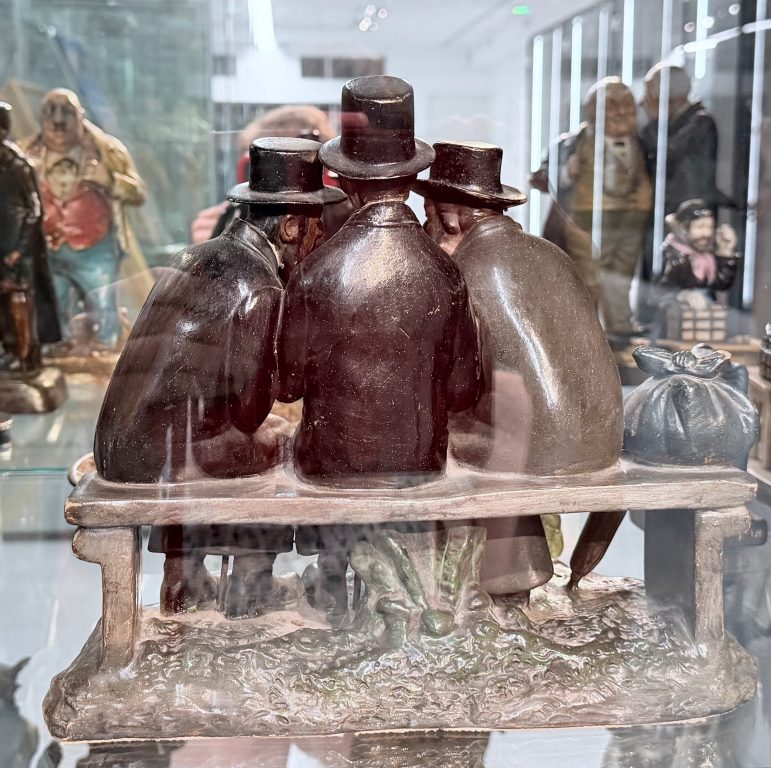
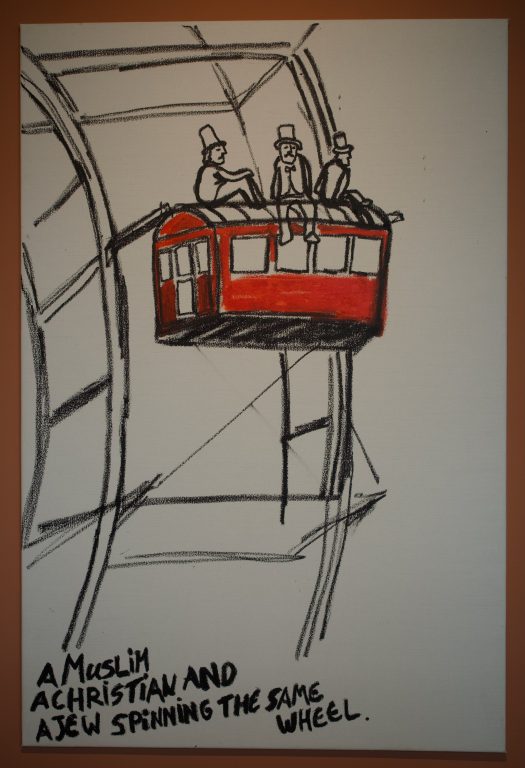
We took a break for a wonderful Italian lunch at another side street restaurant with outdoor seating, under a big umbrella and therefore bearable (we were grateful that Vienna is FULL of massive, tall 4- and 5-story apartment complexes that provide some shade). We walked past (and briefly into) the building where Sigmund Freud had his practice until 1938, and then on the two connected Jewish museums. One is located at the Judenplatz (“Jews’ Plaza,” a name that goes back to the Middle Ages and stuck around even though the last Jews who lived there were expelled and/or killed in a pogrom in the 1420s), which also now features a Holocaust memorial; we saw the excavation site of the Jewish synagogue that used to stand on this site, and learned a lot about the Ashkenazi Jews that first came to Vienna in the Middle Ages. The other is in Dorotheergasse, about 7 minutes from there, and there, the focus is on the second and third Jewish settlement, in the 18th century (with a lot of complicated rules, restrictions, and special privileges that had to be granted to allow for someone Jewish to visit or reside in Vienna) and in the late 19th century (after emancipation in 1867, i.e. when religious practice was no longer an obstacle to being a citizen with full rights). Because the third and largest Jewish community (up to 10%, or 72,000, of Vienna’s population in 1880) was destroyed by the Nazis, this museum also addressed anti-Semitism and the Holocaust. Both museums were thought-provoking, with so many objects and visuals connected with the many different things I’ve worked on.
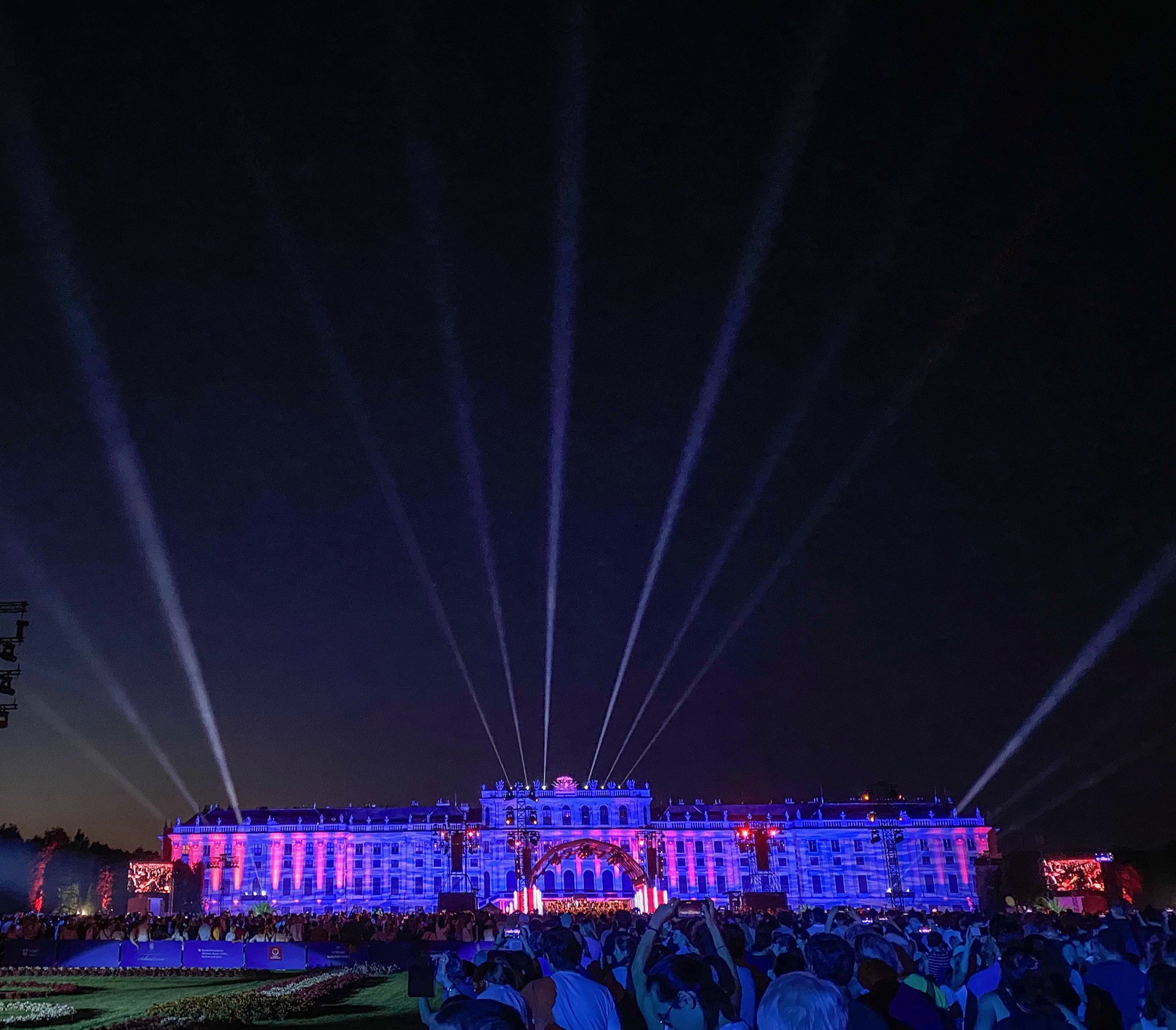
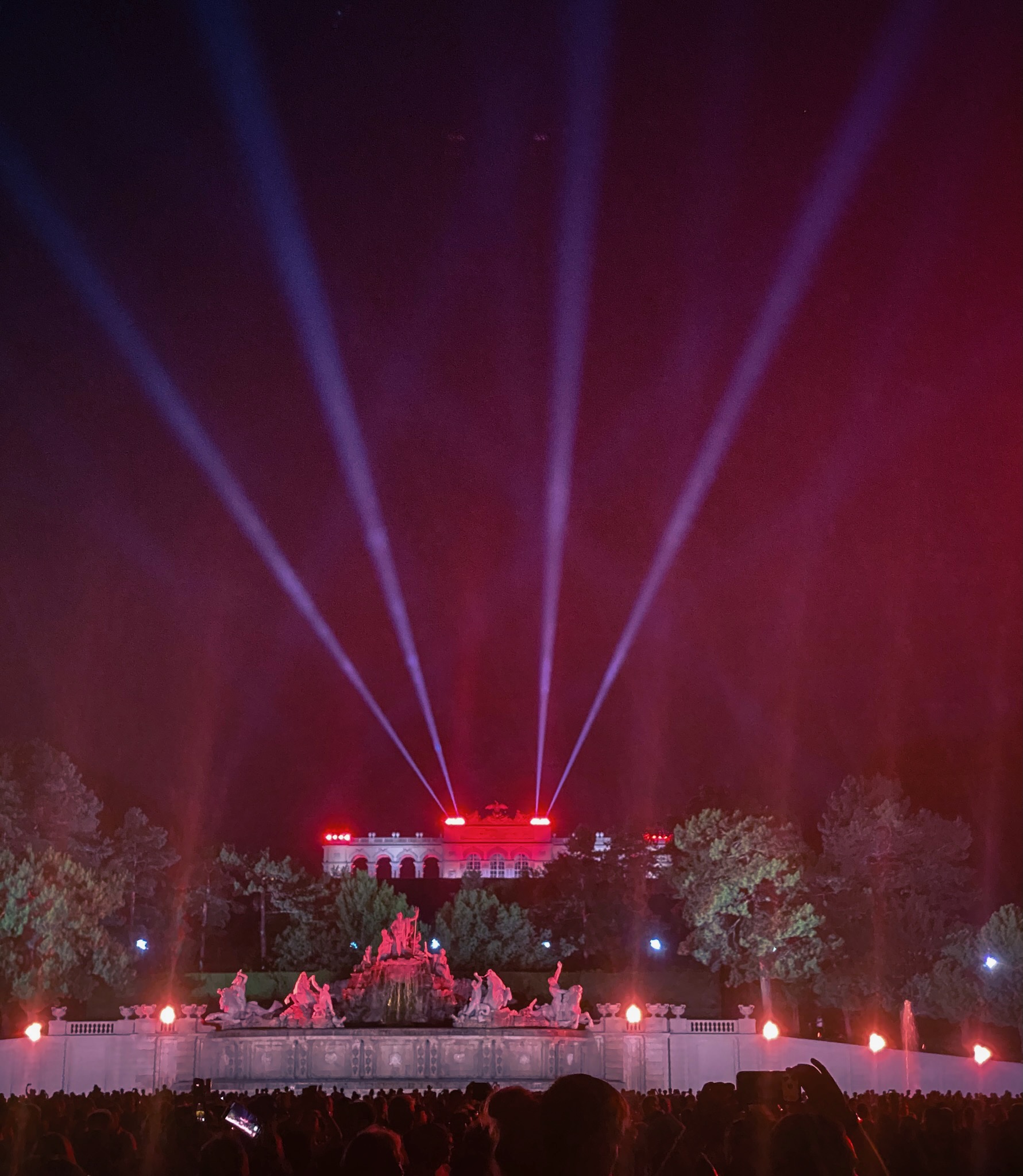
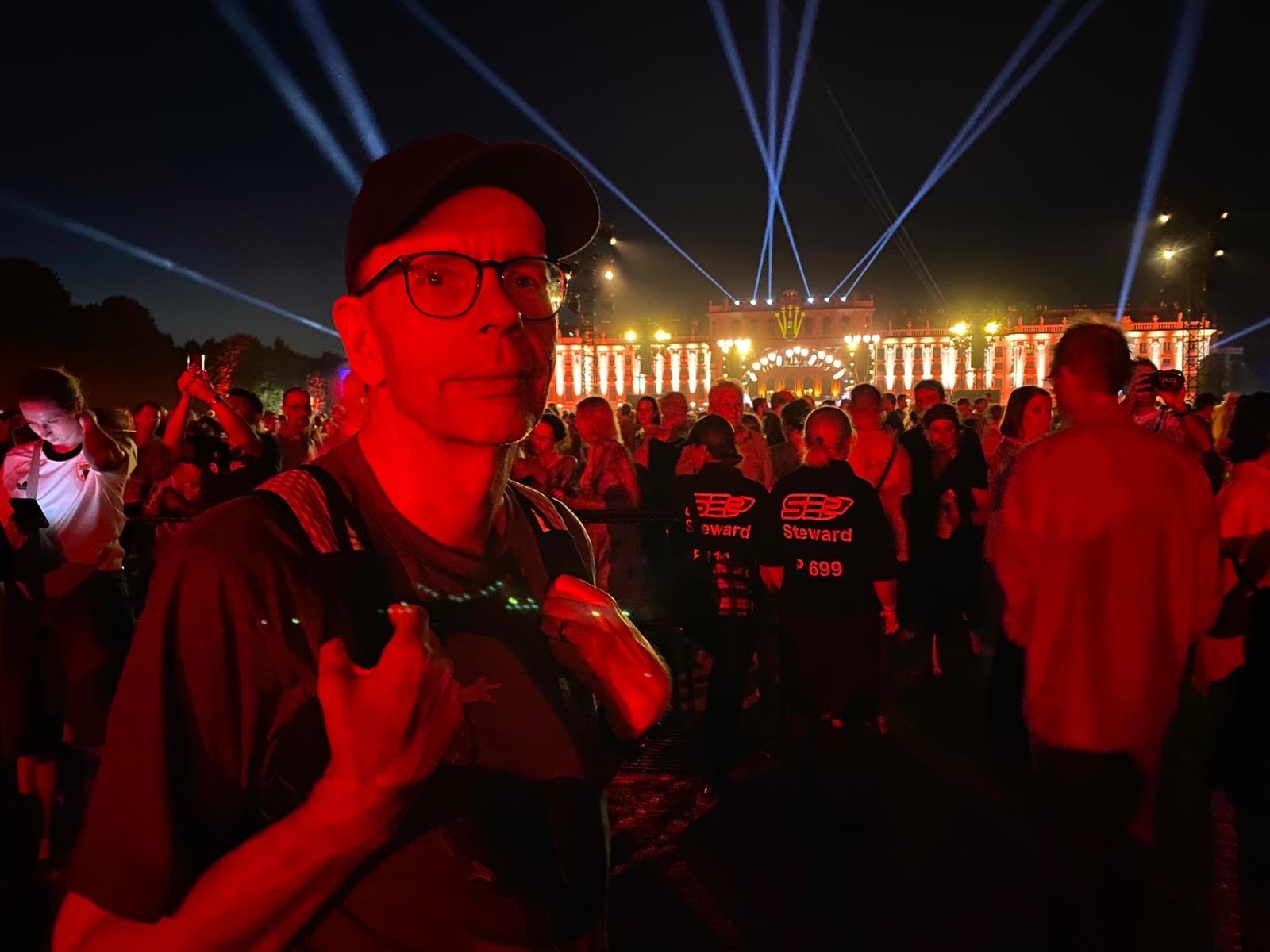
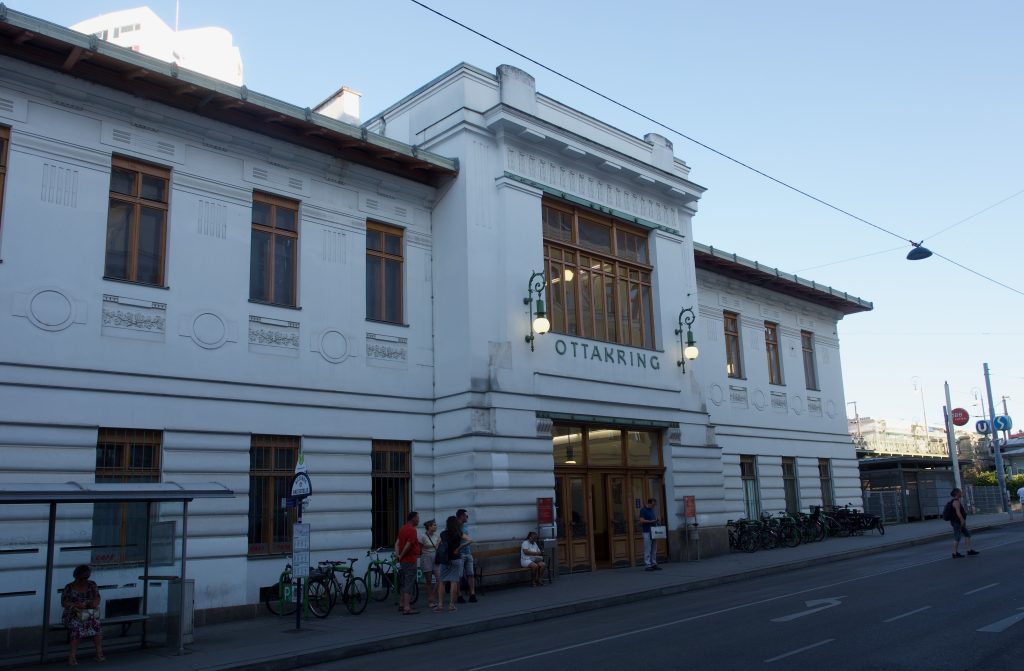
Even though we had fortified ourselves with iced coffee (which here as elsewhere in Germany has ice cream in it) and a Radler (half beer, half Sprite, basically) somewhere along the way, we were pretty tired after we concluded this part of our day. But we trudged on, undaunted (but by subway) to Schönbrunn, for an event that Peter had eagerly awaited: Once a year, the world-famous Vienna symphony orchestra (Wiener Philharmonie) gives a spectacular free open-air concert on the palace grounds, with about 50,000 people in attendance. We were all four going to go, but after wandering around in the park a bit, we came to the check-in station and Mark was turned back because his camera had a removable lens. So we made a split-second decision that Andrea and Peter would go and the two of us would make our way home. So they were there for the massive concert while we took the tram and the subway home. We even stopped at the Austrian Aldi (called Hofer, but using the same logo and selling the same products, basically) and got what we still needed for the next few days. We opened all windows to let a cross-breeze do a little natural air conditioning (no air conditioners in Europe!) and ventured out to the city center of Ottakring (formerly its own town) and found some really good ice cream to round off our day.
Andrea and Peter came home around 11:30, tired and sweaty but very happy. For Peter, to see the Vienna Philharmonics in concert (also his favorite opera singer, the Welsh baritone Bryn Terfel) was the dream of a lifetime come true. The light show was also sensational. (We were also able to watch it the following night on German TV, so Mark and I also got a flavor of the show that way.)