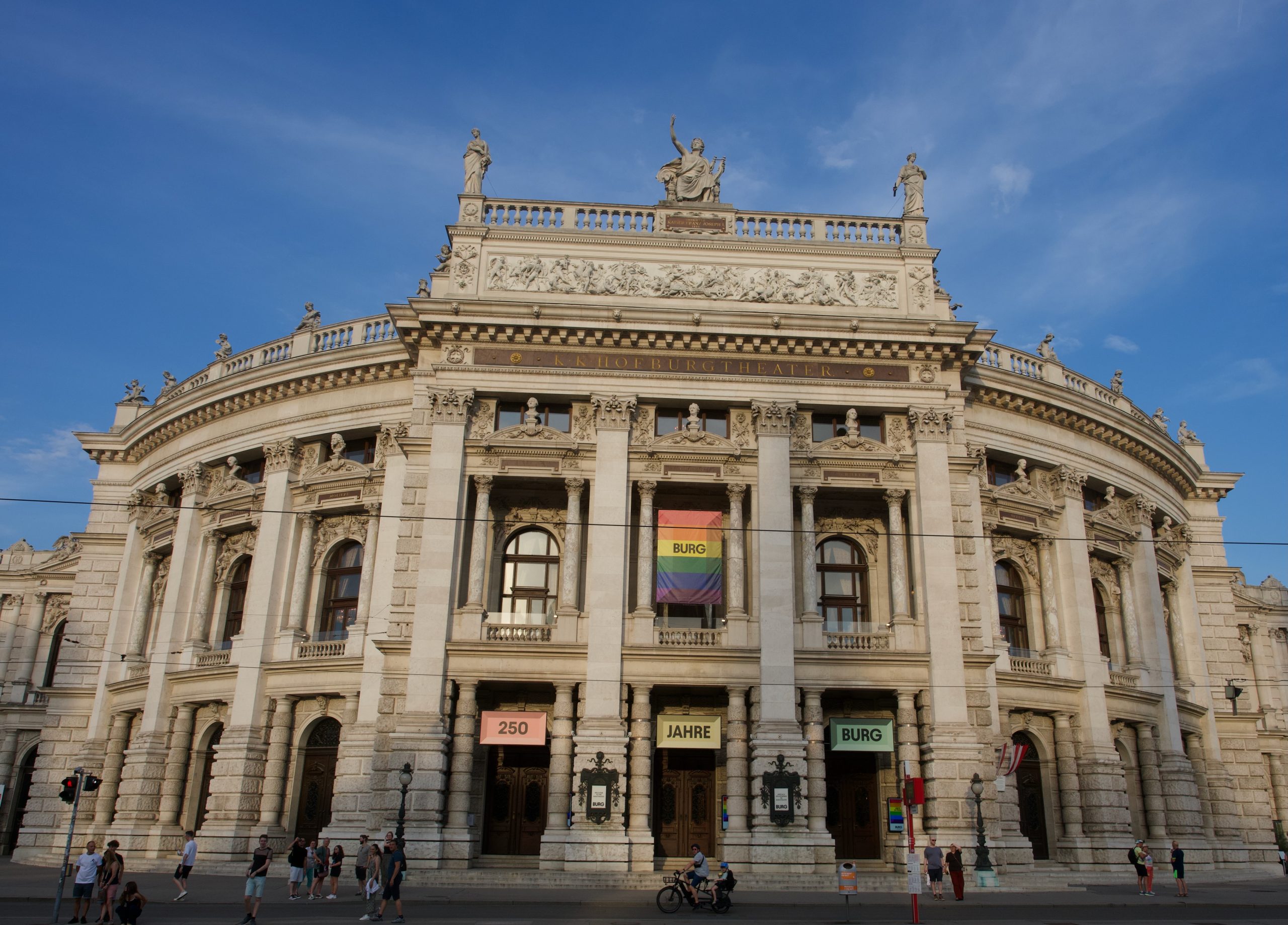
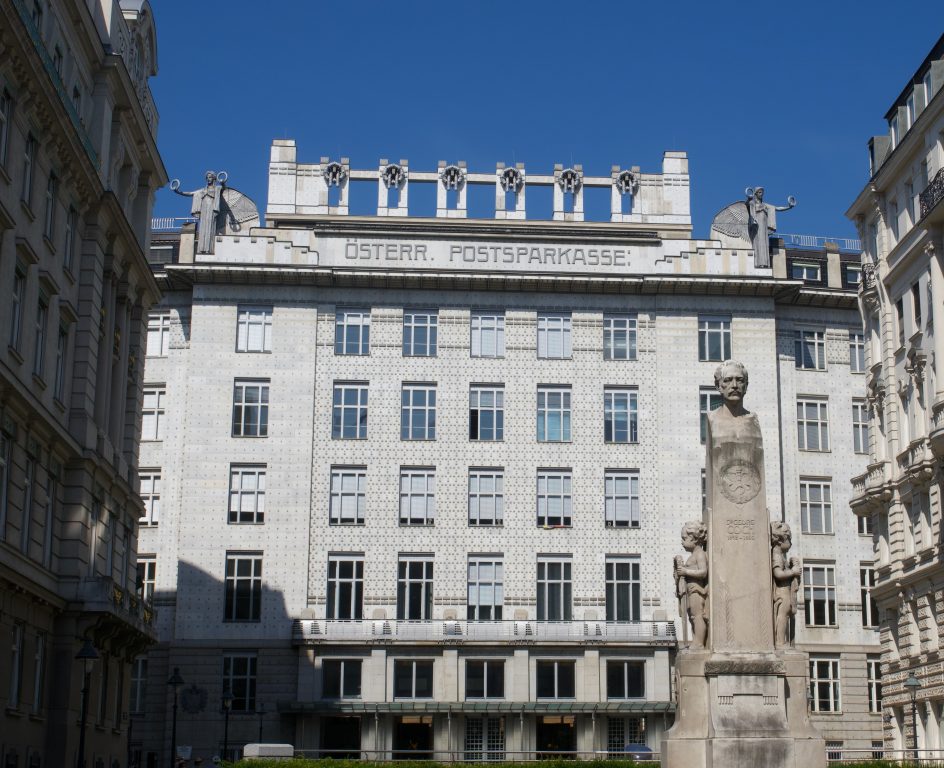
We got a slightly slower start this morning, but were still back in explorer mode before 9 am. We took the subway to Stubenberg, a station near the East end of the “Vienna Ring”–a large half-circle of boulevards (roughly where the city walls used to be) that leads the eager tourist past most of Vienna’s “Prunkbauten” or massive palaces and government buildings from various periods of the Austrian (and then Austro-Hungarian) Empire, many of them still used for government purposes and museums, all interspersed with parks. We walked past one massive building after the other, and most of them, to tell the truth, did not pass muster with us, because imposing neoclassical buildings don’t do a whole lot for us. But we were not complete snobs; for one, there was a BEAUTIFUL bank building that was designed by Otto Wagner, an architect who was truly ahead of his time in the early 1900s when everyone else was still doing neoclassical statues, columns, massive gilded eagles and other sundry hideousness. What we liked best about the ring was that in the split median of 2- and 3-way lanes of streets and tram tracks, there was a foot and bike bath under shade trees, and even at 10 in the morning, the shade was sorely needed and we would rush across the sunny stretches to be back on the median strip or into the parks.
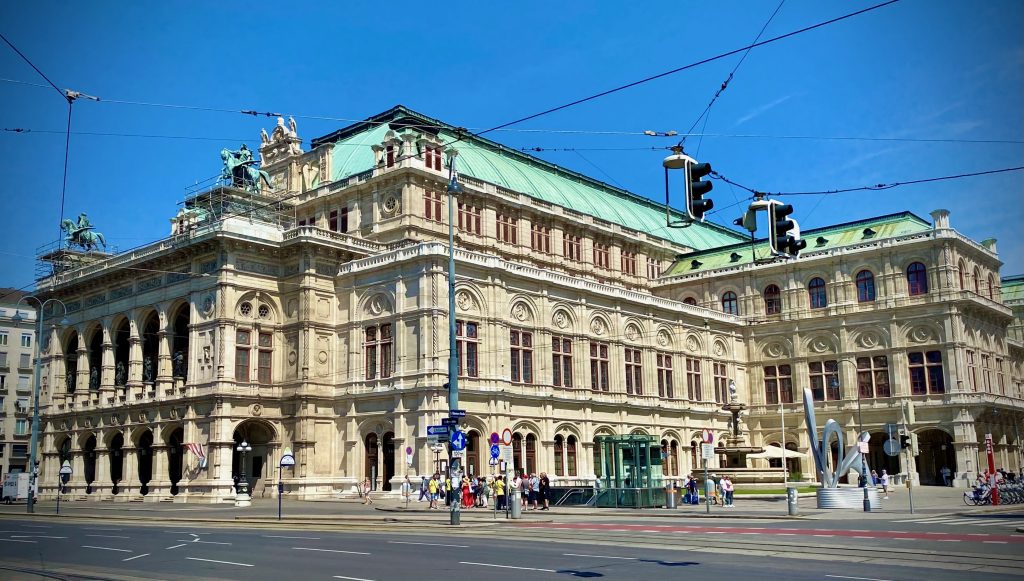
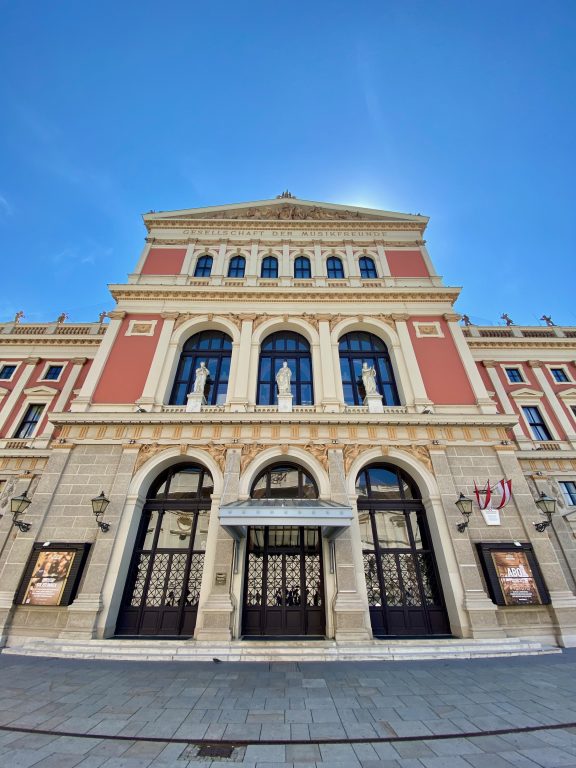
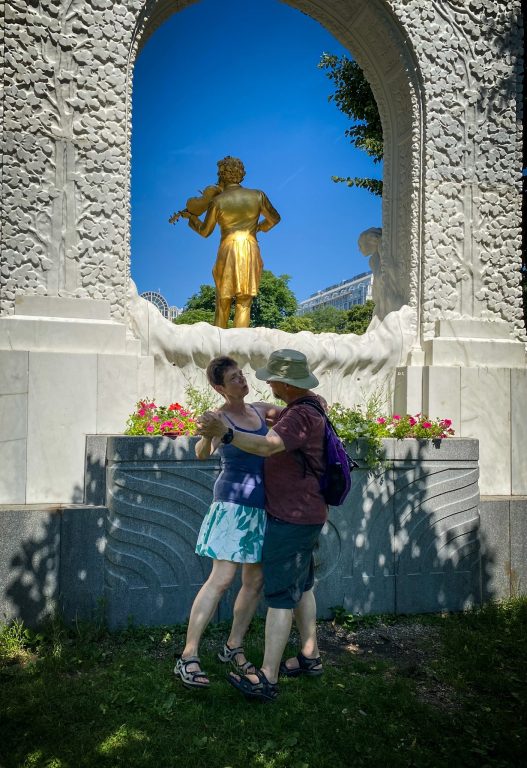
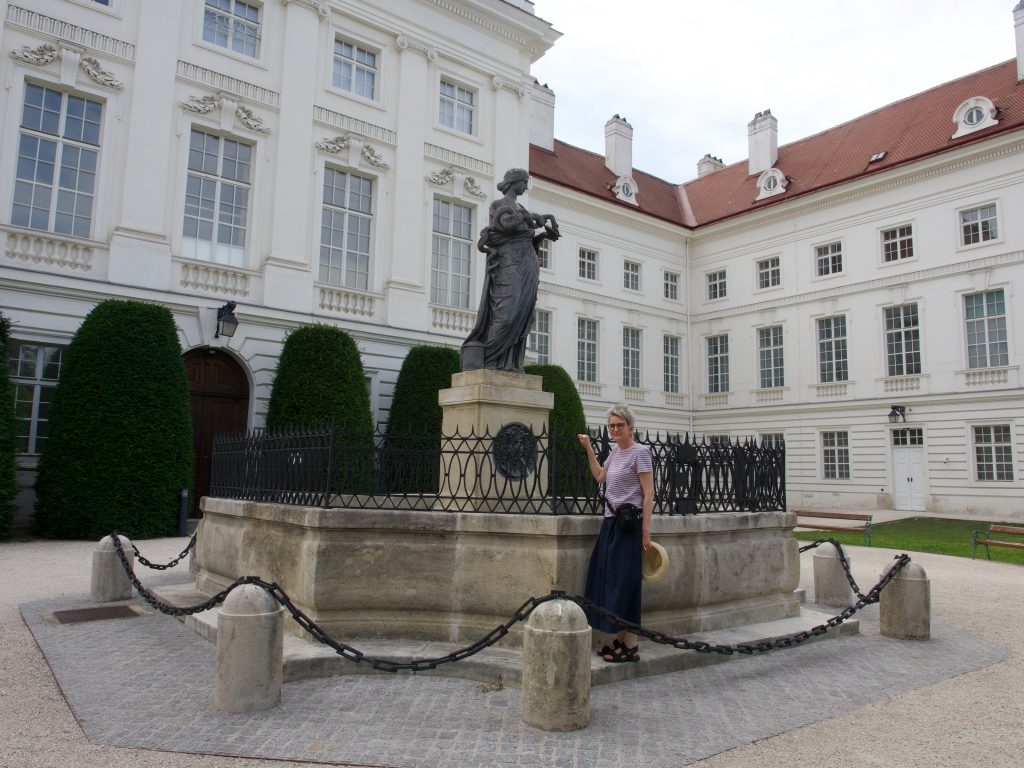
All in all, the tour of the ring was almost 5 km (3 miles), including enormous important complexes that we did not feel like photographing, like the Hofburg (Vienna Castle), residence of many emperors and now of the president of Austria, plus museums and whatnot, other state museum complexes, the parliament, the city hall, etc. etc., we took a much-needed break for a lunch of excellent French fries and some Kaiserschmarrn (a yummy Austrian dessert with raisins; imagine torn bits of a Dutch baby or a German pancake, with whipped cream and jam). Then we walked a few more steps to the museum that was Andrea’s dream and wish for Vienna: the Josephinum, formerly the medical college founded by the Emperor Joseph II in the late 18th century. It is famous for its enormous collection of wax models of ALL parts of human anatomy in gruesome and realistic detail from that time period, and since the art Andrea makes relates directly to some of the techniques used and the ideas behind a naturalistic look for human body parts, she has long wanted to see these up close. She was in her happy place–and all of us were very relieved to be indoors in a cool-ish museum after walking around in the heat all day.
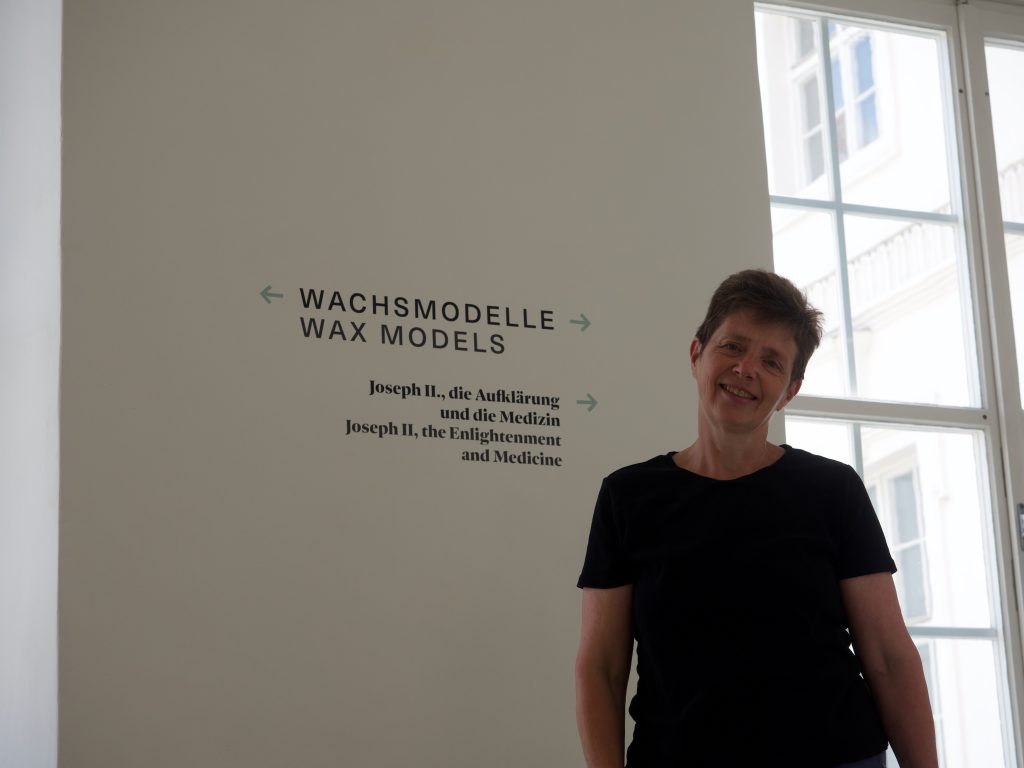
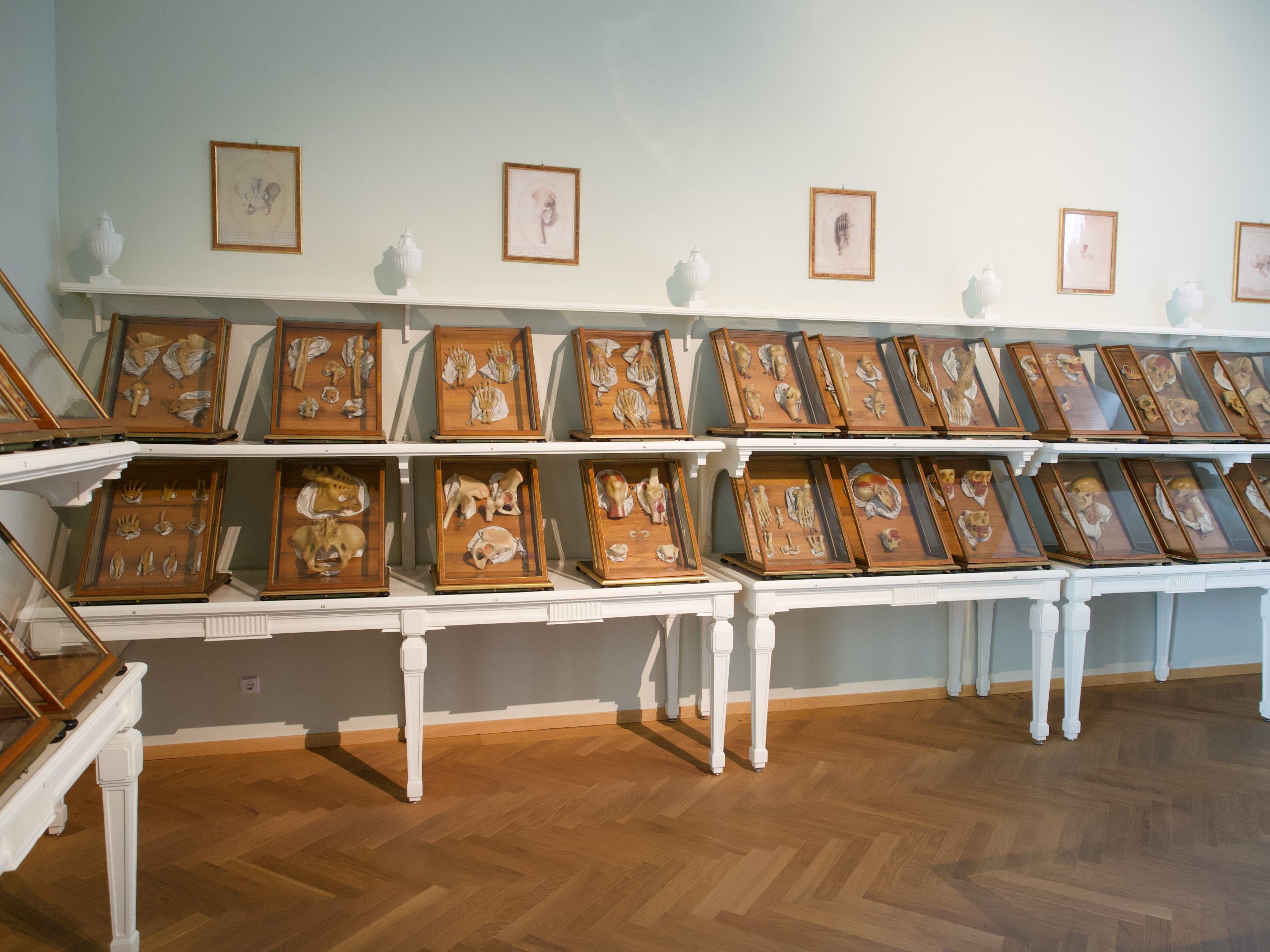
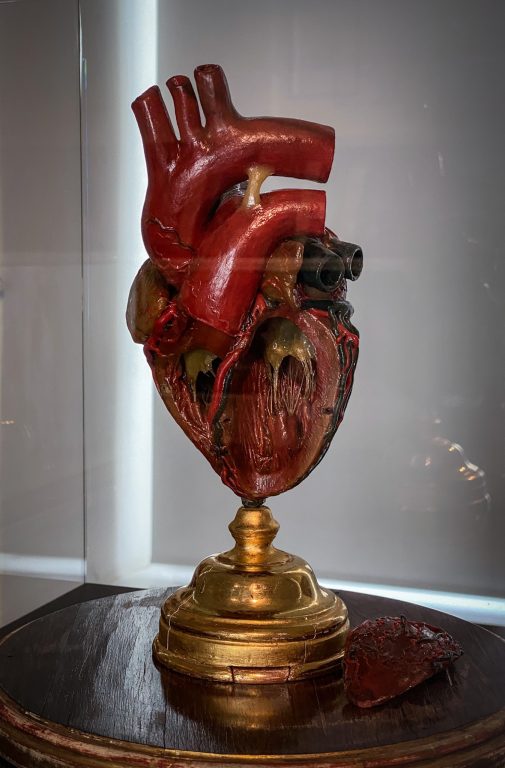
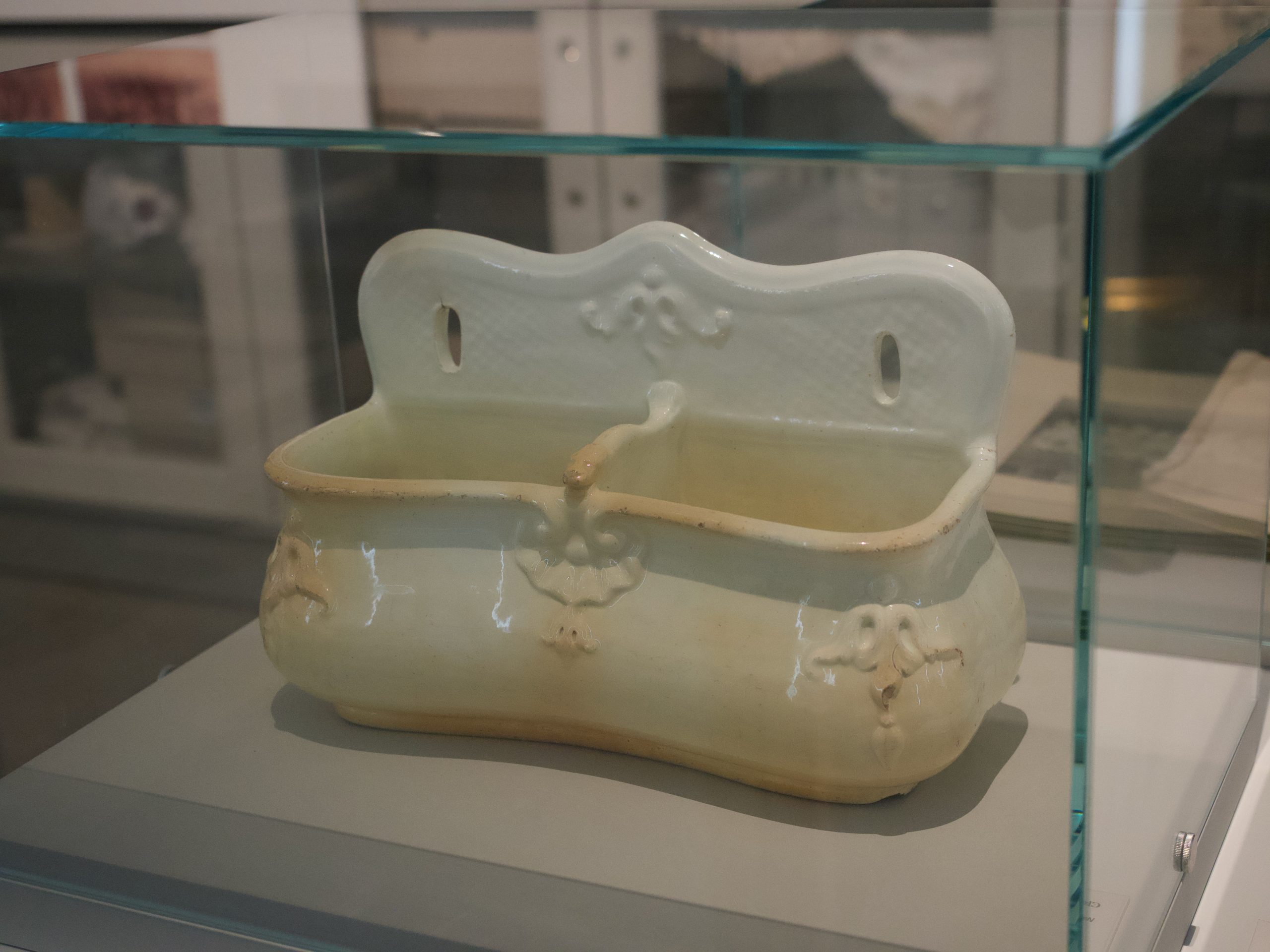
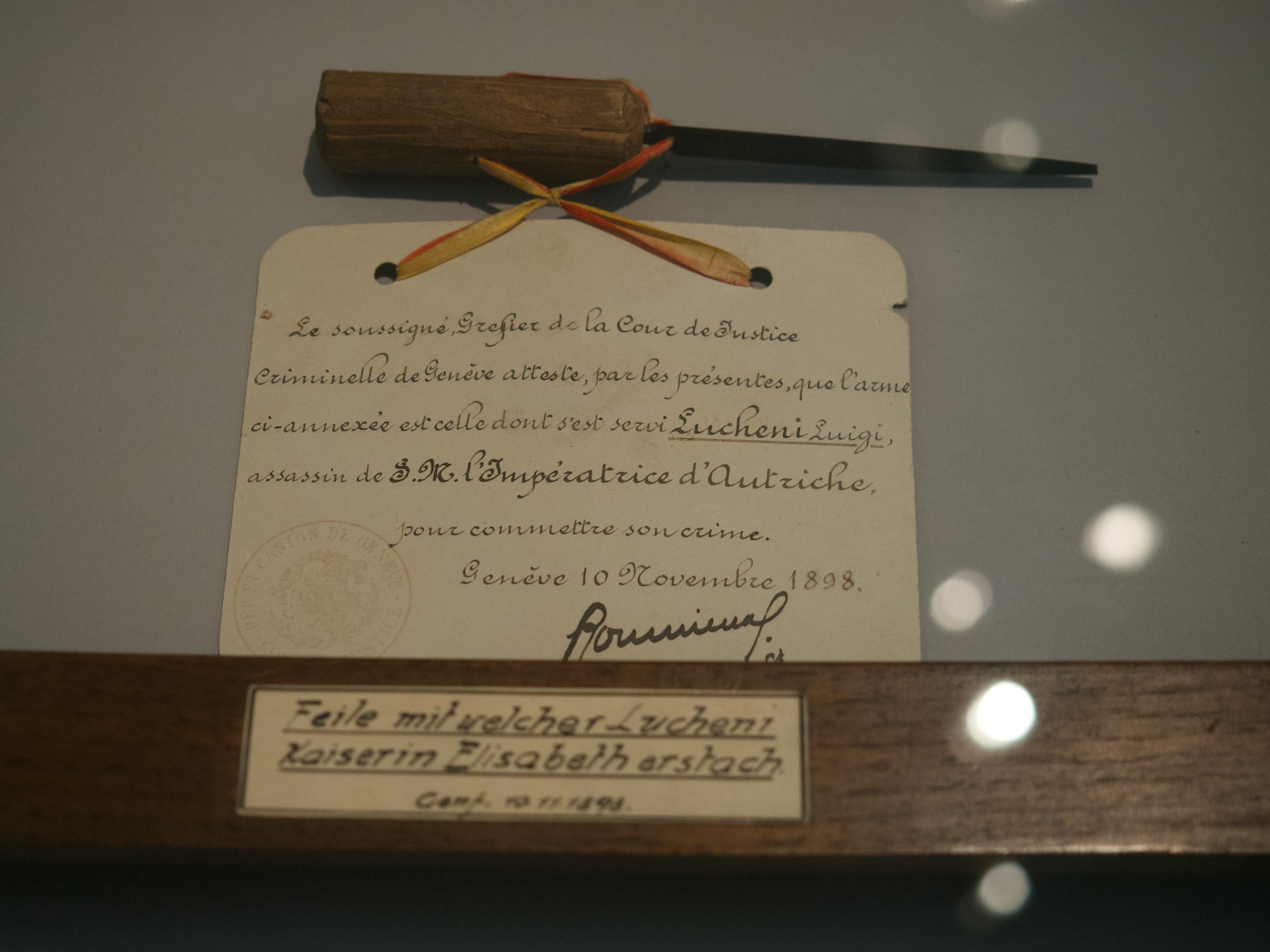
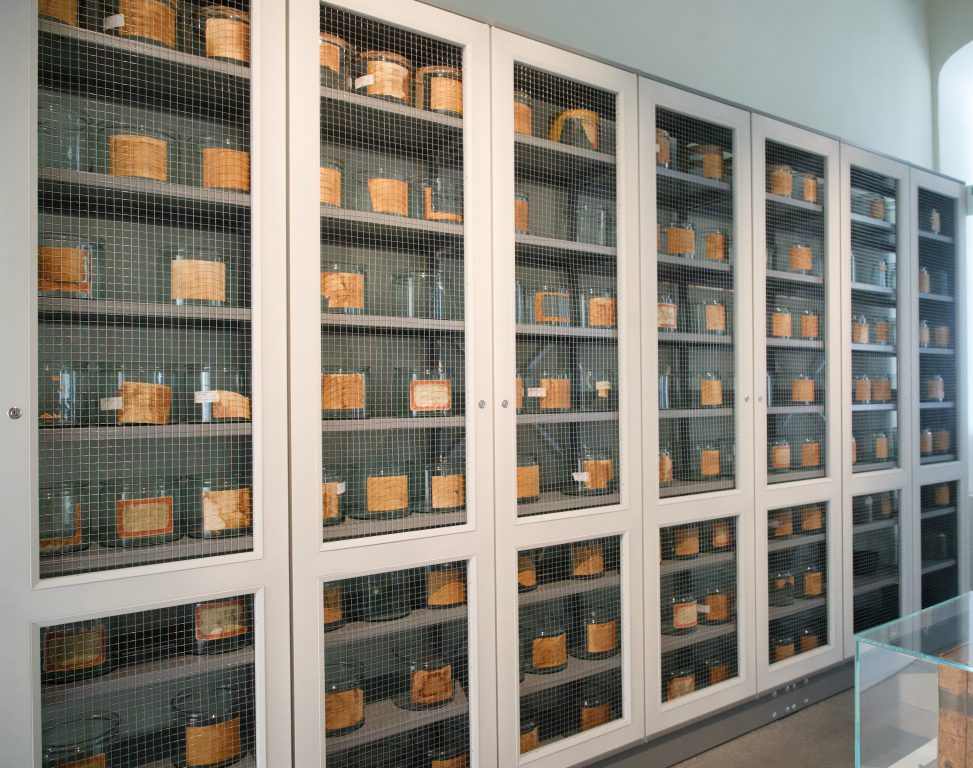
We did not only look at the wax models but also at displays of old medical instruments, and several themed exhibits on the complicated relationship of health and medicine to “the state.” The most shocking and gut-wrenching to me looked innocuous at first glance–the cabinets that lined the walls of one exhibition room were full of large empty specimen jars. But one jar displayed individually in the exhibit offered the explanation. In these jars, the brains of hundreds of disabled children murdered by the Nazis at the hospital “Am Spiegelgrund” were stored in formaldehyde, many for years beyond the end of World War II. Another example of how the cruelty and heartlessness of the Nazi ideology knew now bounds, and that confronting this took a long time in Austria as well as in Germany. (A burial for the remains was not organized until 2002. )
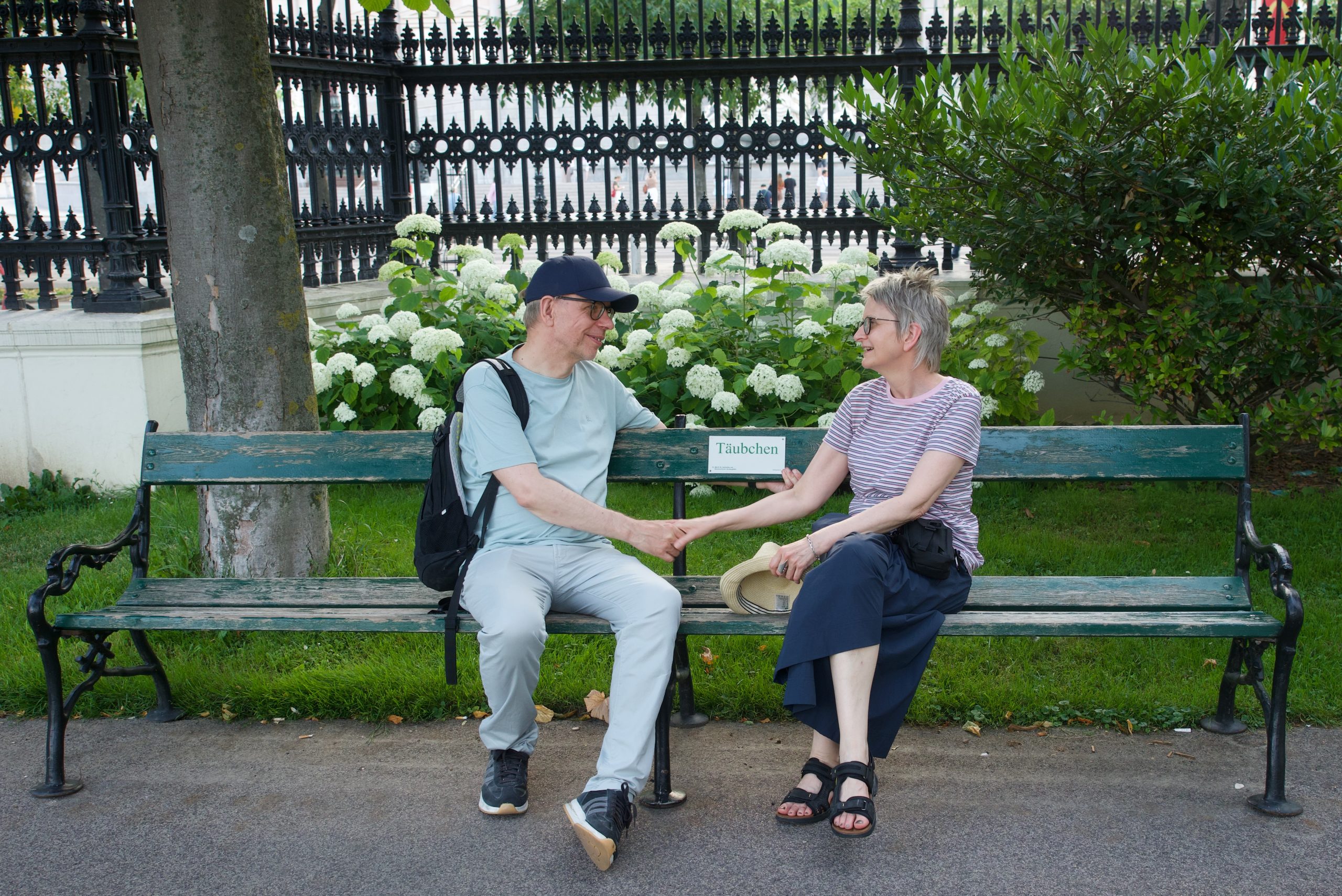
After our extensive museum visit (Mark and I rested in the foyer for a while to give Andrea all the time she needed to suss out the craft behind the wax models), we headed home for a while, had a sample pasta dinner and later headed out for some ice cream and, although we were all exhausted, for one more stroll near the town hall and the Hofburg (the main castle). We were really too exhausted for this undertaking, but we are all so eager to try to pack as much Vienna into our short time here as we can. The surrounding parks were at least, relatively empty compared with what we’d seen there earlier in the day. But our breaks on the plentiful benches got longer and longer, and eventually, we decided to head home–one more 15-minute trip on the subway, and then the 5-minute walk home. By the time we went to bed, Mark and Peter calculated that we’d walked about 14 km / 10 miles today. And that wasn’t even our longest walking day!