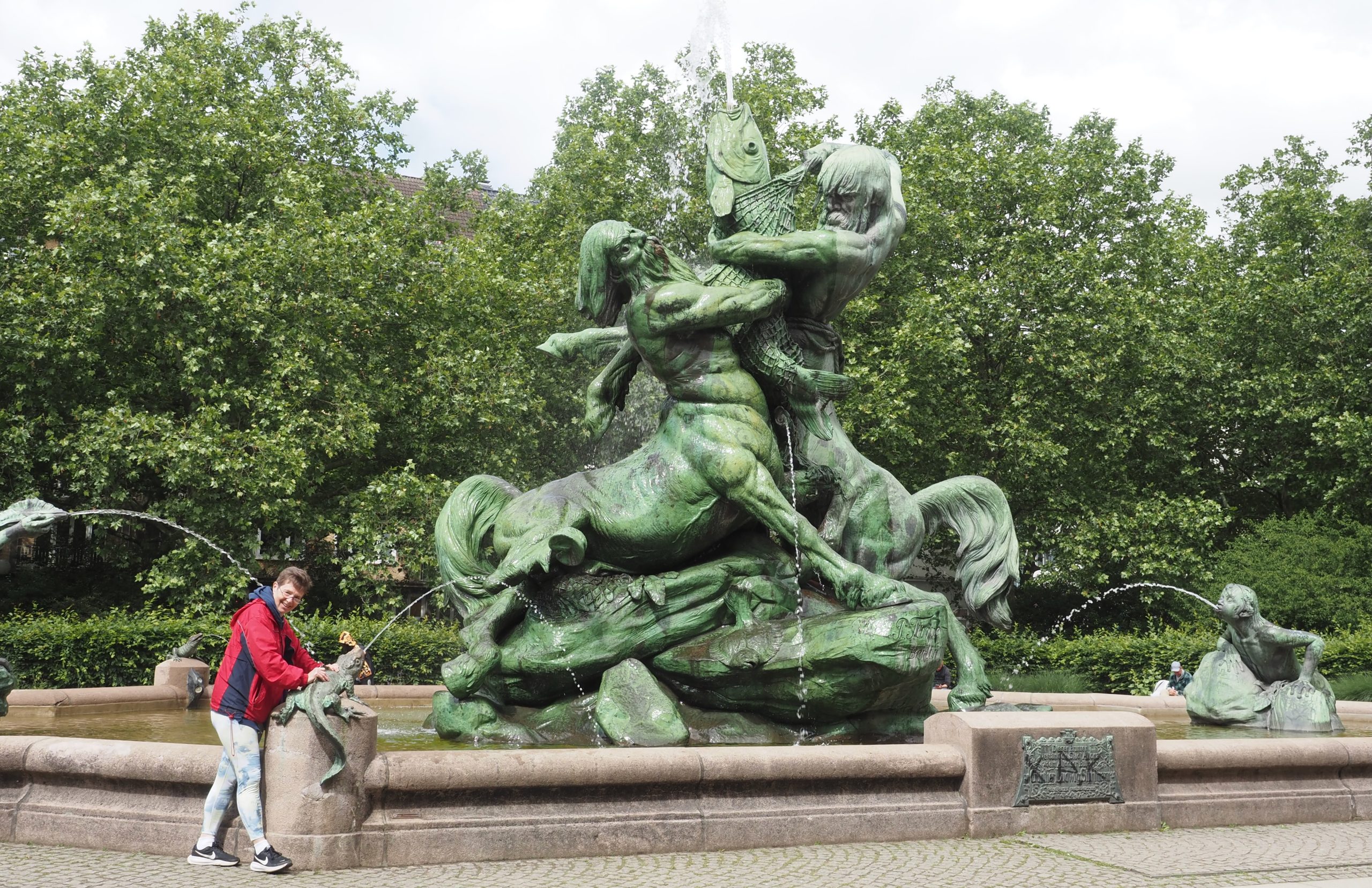
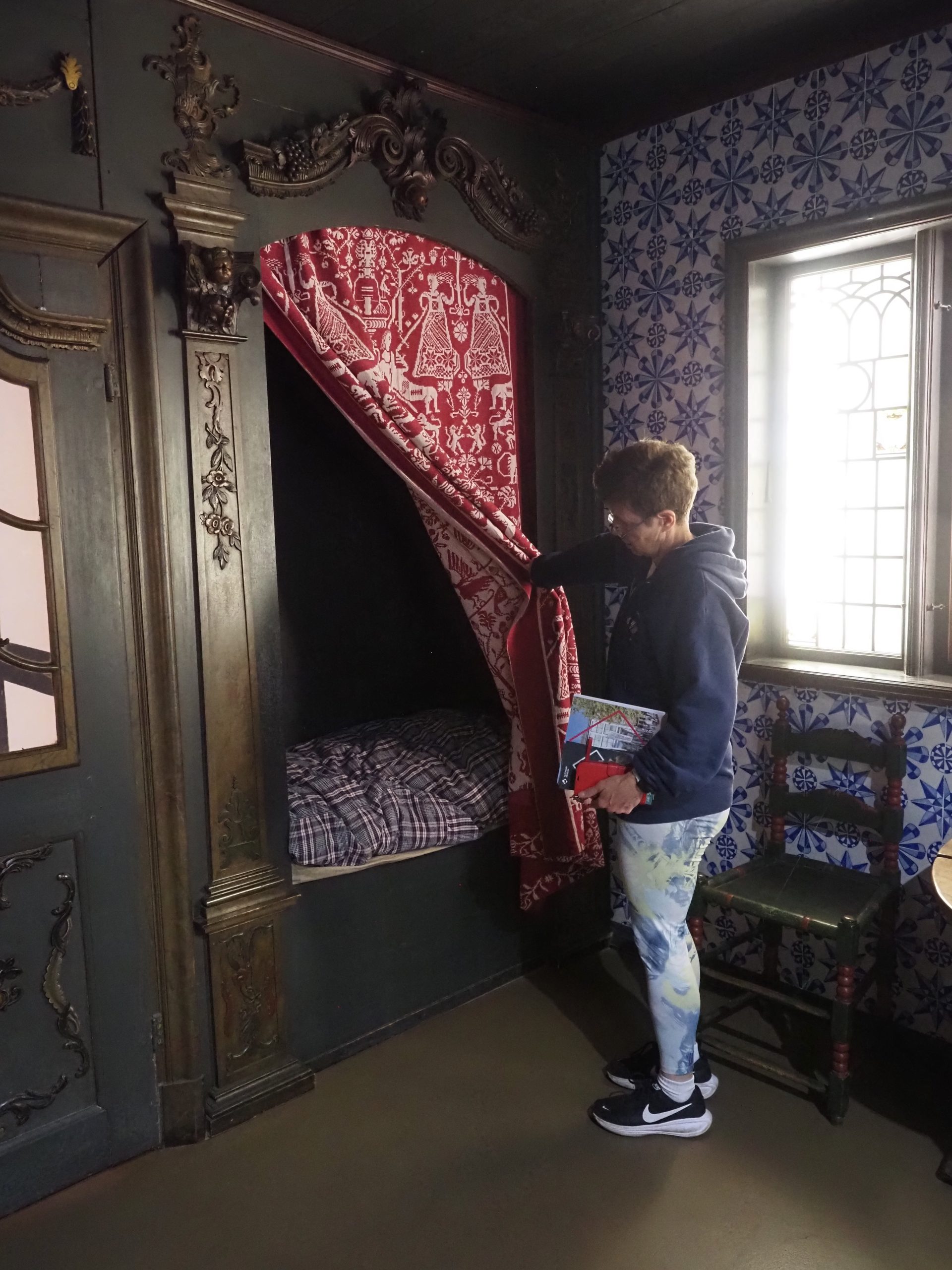
Today was a slow day for all-purpose adjustments. Peter has just started 3 weeks of vacation time and is still decompressing; Andrea is working on various things relating to job applications, and Mark and I just wanted to toodle around Hamburg a bit and not do quite as much walking, since it was even windier than yesterday and “feels like” temperatures barely hit 60. So after a bit of computer work in the morning, we picked one of the few museums in Hamburg that is open on Mondays and headed to Altona to check out the Altona history museum. Altona, which started out as a fishing village, was a separate city from Hamburg until the 1930s, even though at that time it had absorbed several other towns west of Hamburg, had developed some major industry and was mostly urban working class (with quite a large Jewish population, peaking at almost 15% in the late 19th century). So it’s not surprising that it has its own history museum, which is primarily known for its 17 traditional farmhouse living rooms (mostly authentic, partly recreated, I think) from various centuries, in a number of different styles. We wandered around for a bit and checked those out, as well as various ship models, ships’ figureheads, and other regionally important objects.
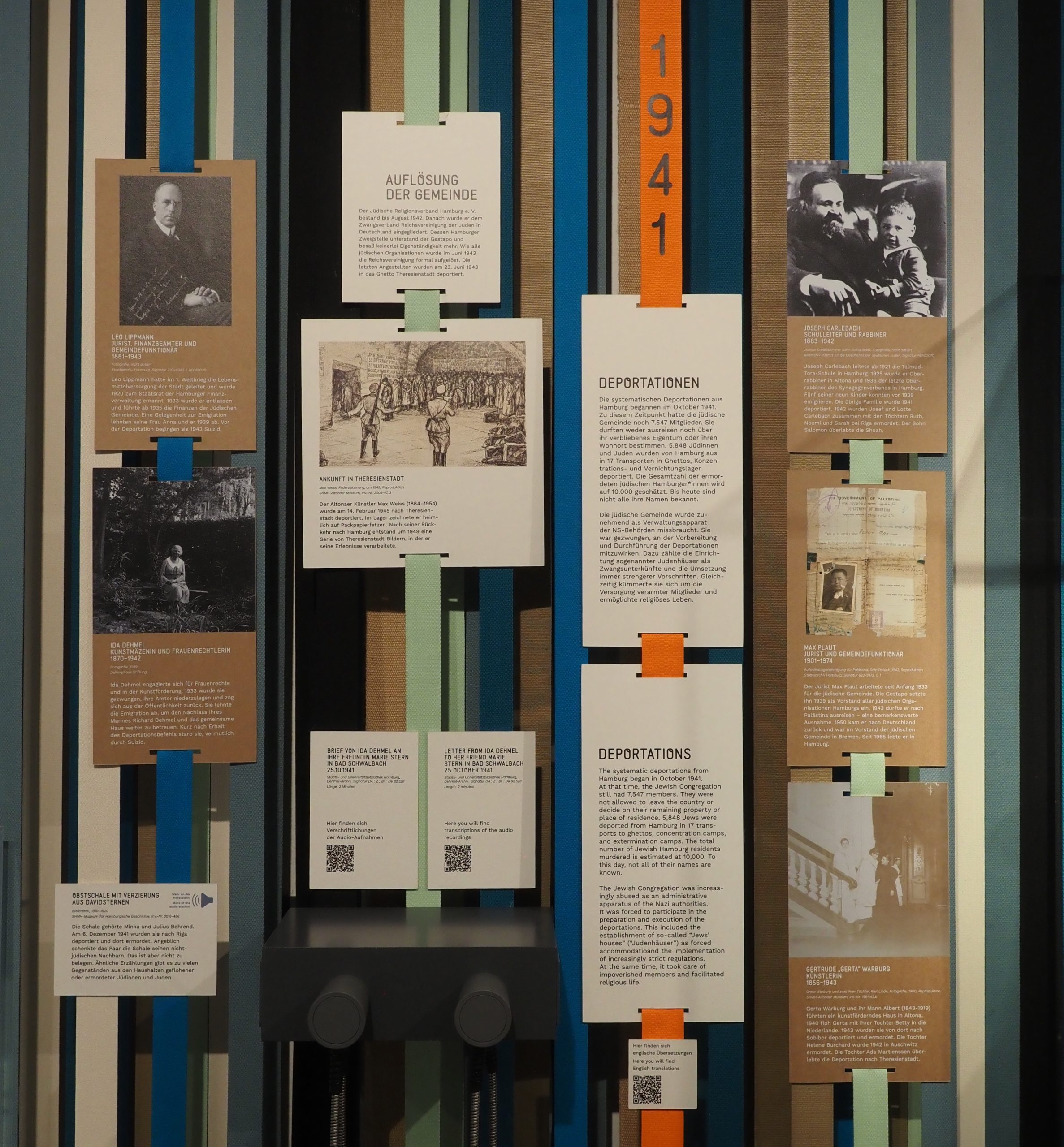
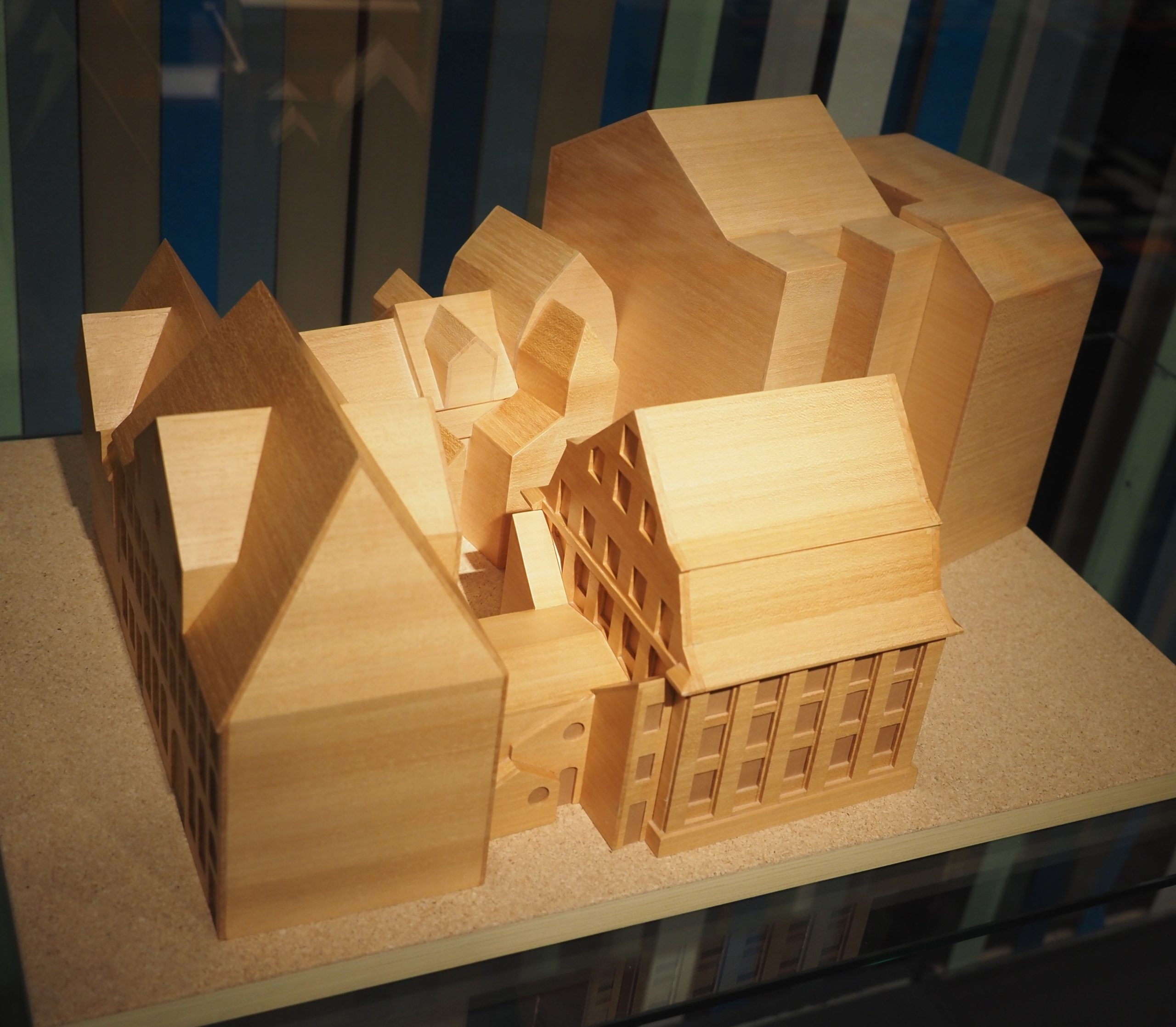
As luck would have it, there was also a small temporary exhibition about the history of Jewish life in Altona and in Hamburg in general. Hamburg does not have a dedicated Jewish Museum, and the exhibit was partly launched to reignite the discussion about founding one, and figuring out what such a museum should look like. There were only a handful of objects, but excellent basic documentation of the history of Altona’s Jewish community. Strictly Lutheran Hamburg itself did not allow any Jews or other religious minorities (including Catholics) as residents before a general religious tolerance law was passed in Germany in the late 19th century, but Altona did–for a special fee. Both orthodox (Ashkenazi) and reformed Jewish communities evolved in the towns around Altona, and there were several synagogues. Nearly everything was destroyed by the Nazis after 1938, and when the deportations began in 1941, the nearly 6,000 Jewish people that remained in Hamburg were murdered in the camps.
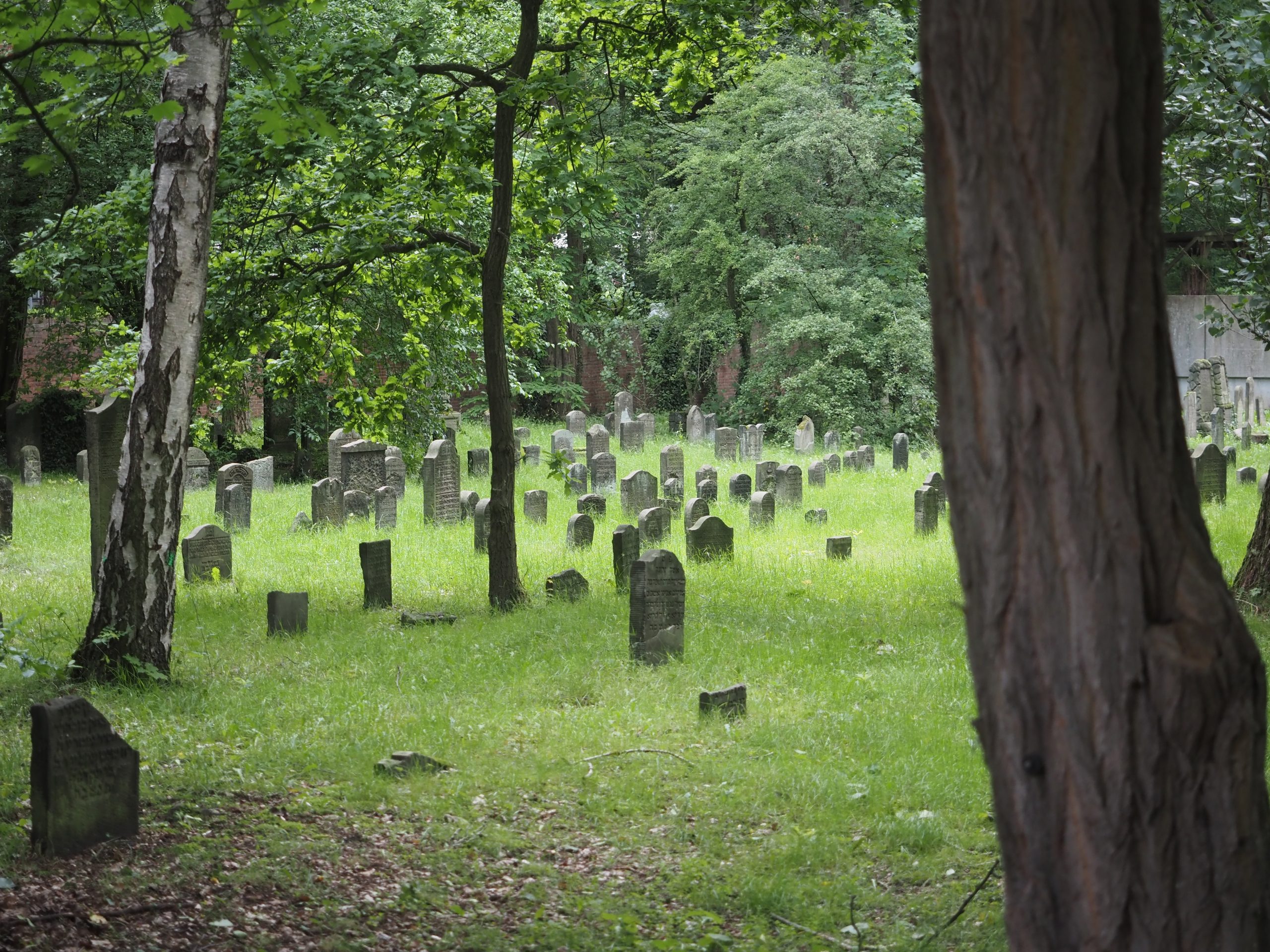
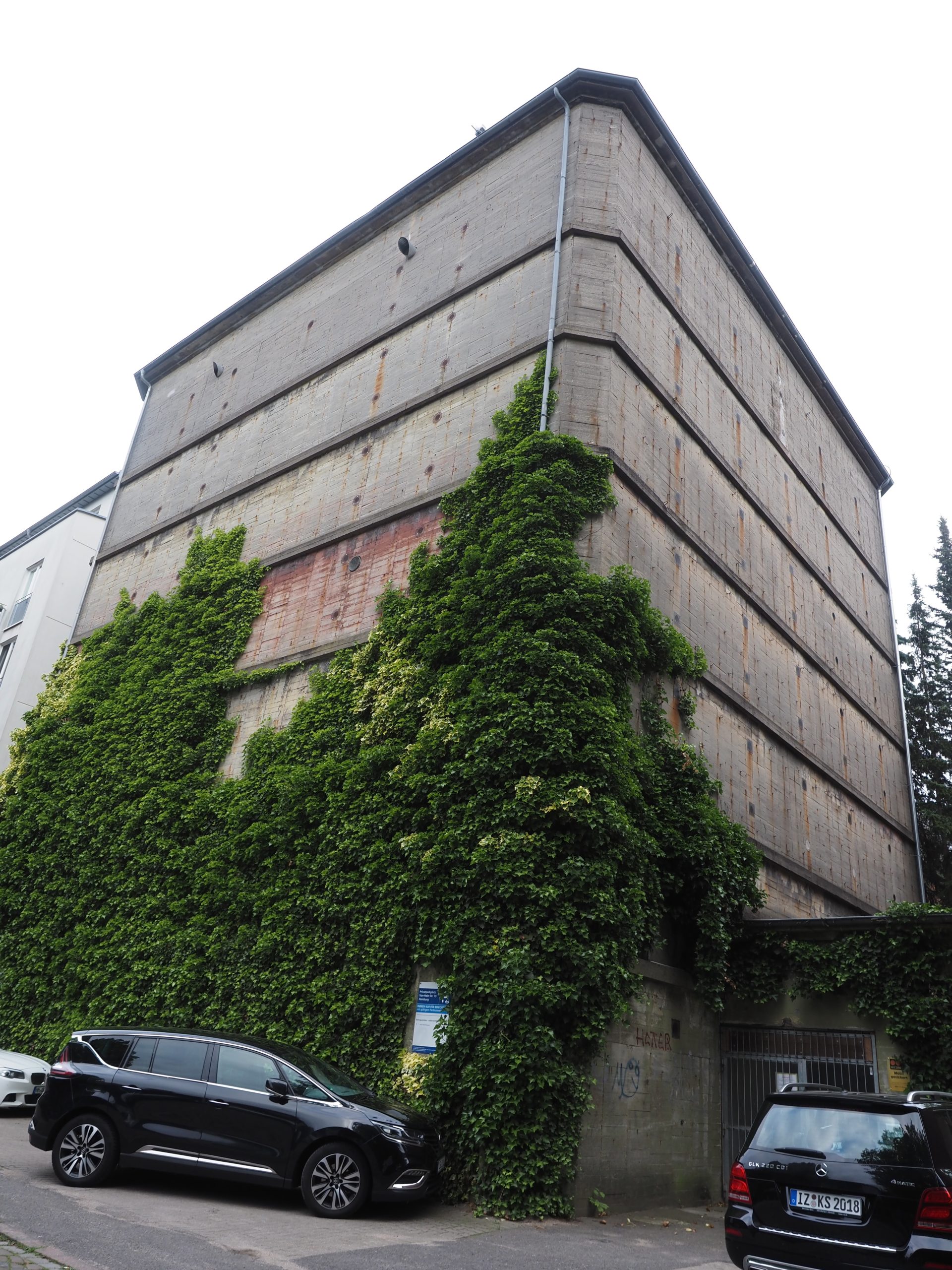
We also had a bite to eat at the museum café, but it was literally a bite–and very slow service, so not the most exciting meal of our trip. After our museum visit, we walked from Altona along the so called high-up “Elbbalkon” (the balcony above the river Elbe) down to Landungsbrücken, where the Hamburg harbor proper begins. We took a similar walk last year, when Andrea and Peter showed us their Altona, but we kept it pretty short this time, because the weather was just not nice, even though we had no rain today. So we took the S-Bahn (elevated) and the bus back home, grabbed a few groceries at the Aldi around the corner, and reunited with Andrea and Peter. We were all starving, so we had a 4 pm meal of everything the fridge yielded without much prep: a salad, some caprese, bread, cheese, cold cuts and some egg salad! A feast. Then we all puttered a bit (Mark and I mostly on our computers) and eventually decided we had done too much sitting around and went for a 3.3 mile / 5.5 km walk. So there. It never ceases to amaze me to what extent we can stay in green spaces when we walk in the middle of this city of a million residents. Andrea suggested we find the Wandsbek Jewish cemetery, which is locked, but has a fence with generous spacing, so Mark took some amazing photos of the generally undisturbed space. On the way home, we came across one of the hideous and indestructible “field bunkers” (civil defense air raid shelters), the few reminders of World War II that are scattered throughout the city. This one was clearly used for one of its more useful present-day purposes–we could faintly hear somebody practice playing rock music with a lot of percussion. The strange and bitter contrast between these very different remnants of Hamburg’s past, given that so little of pre-war Hamburg survived, was thought-provoking.
We came home around 8:30 and felt much better. The wind has died down a little bit and I am hopeful the weather will improve a bit tomorrow.