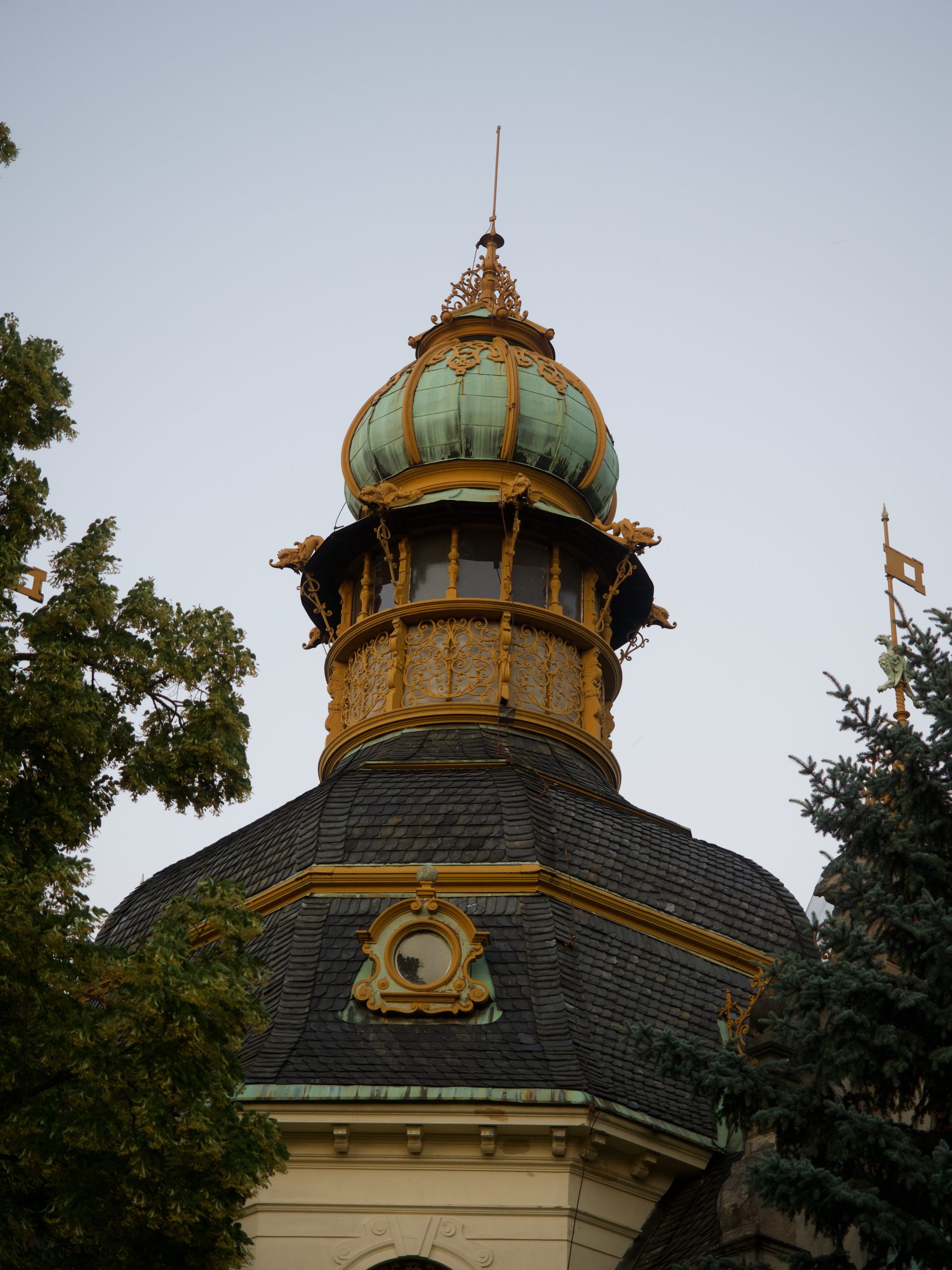
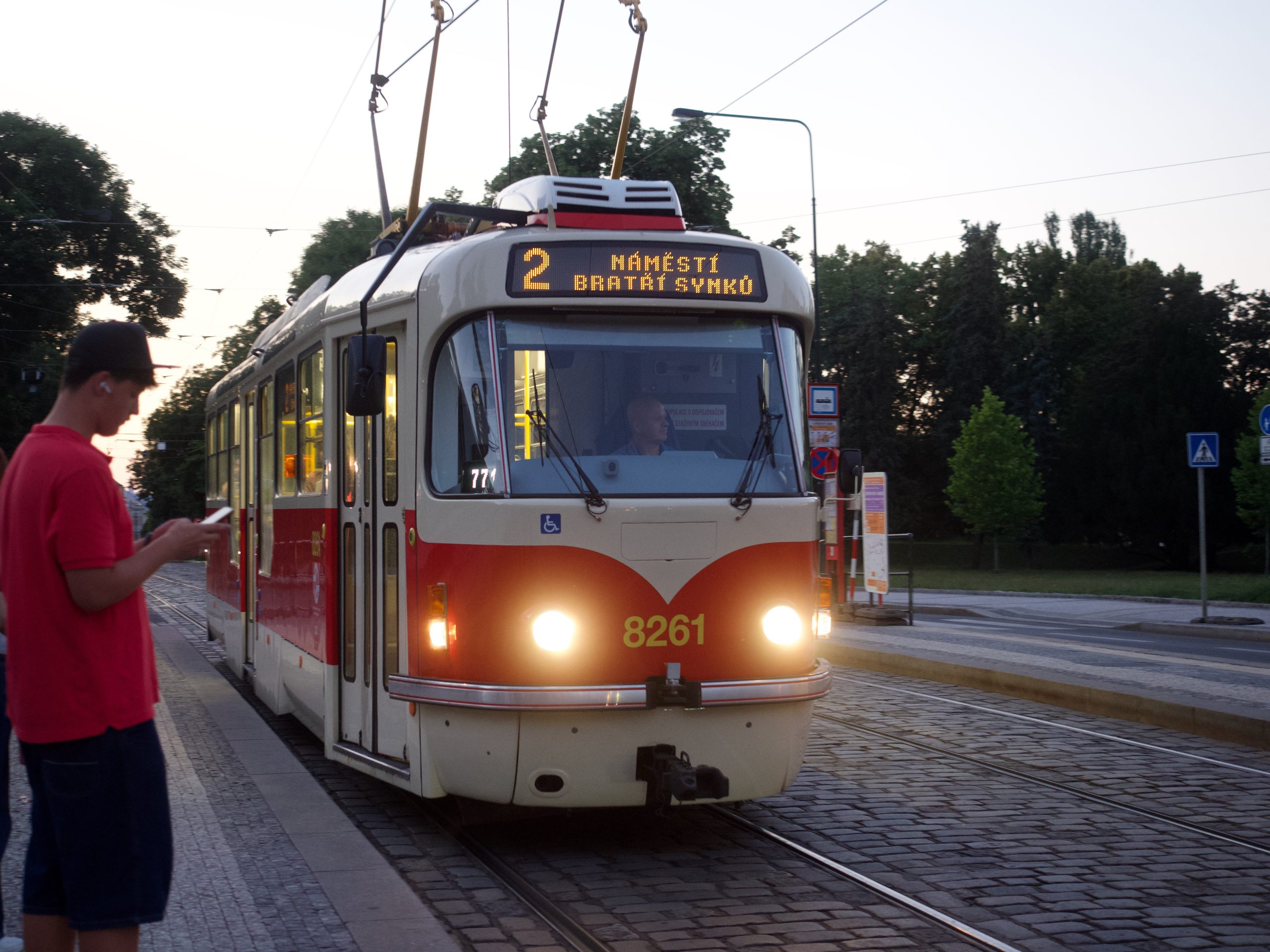
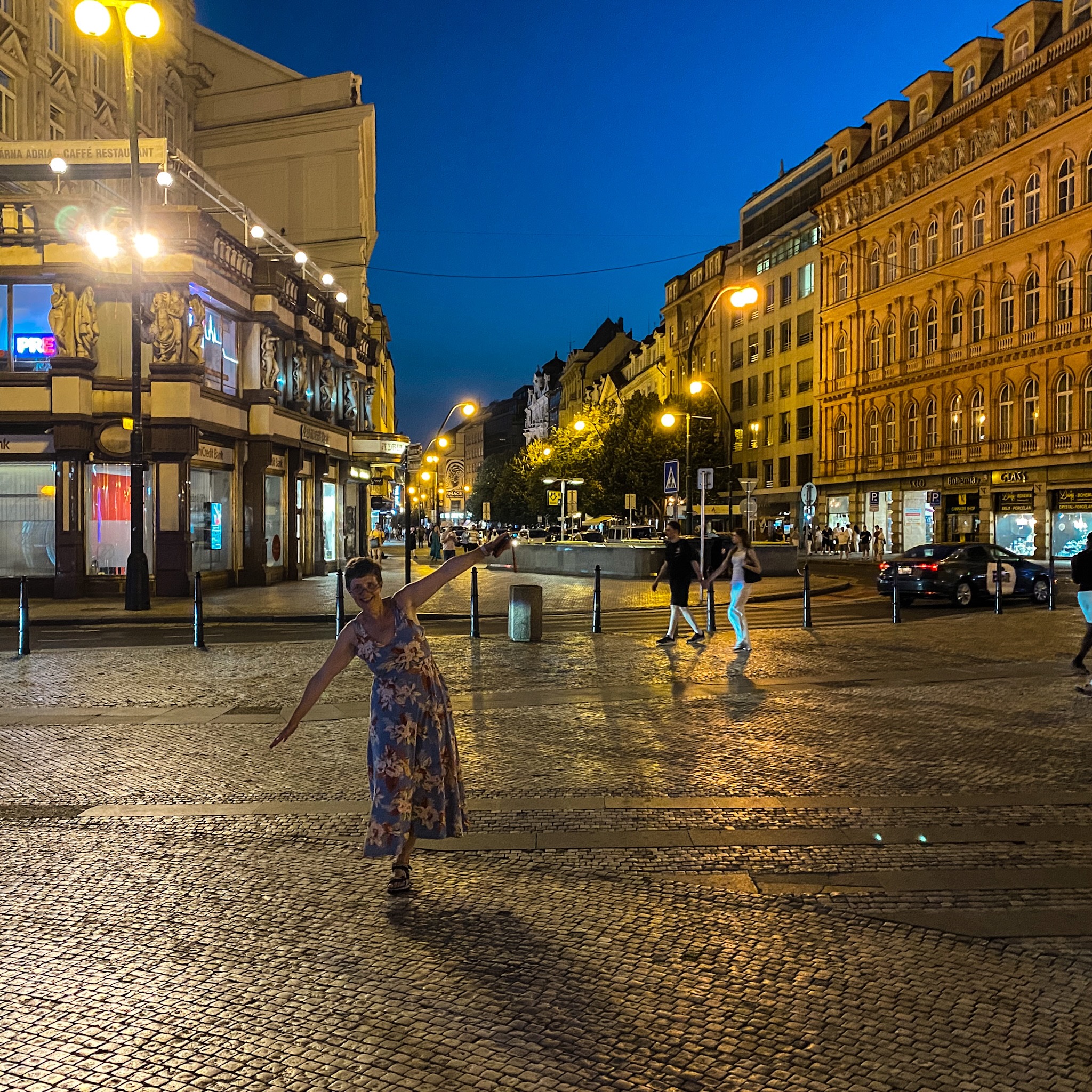
Since we were looking at a day that would be even hotter than the previous one (as Europe is sweltering in a heatwave that has resulted in never-before-recorded temperatures in France and elsewhere), we opted for some time away from the toasty city center and went out “the other Prague Castle,” Vyšehrad Castle, which is in fact, the original fortification that protected Prague before the first iteration of Prague Castle was ever built on the other side of Vltava (Moldau). The area sits on a huge rock promontory above the river on the East side, just South of downtown. We could have walked the 2 km (1.3 miles) from our place, but we wanted to conserve our energy and purchased day tickets for public transportation–very cheap for people over 60 (about $6 per person) and FREE for Mark, because he is over 65–and took the tram station.
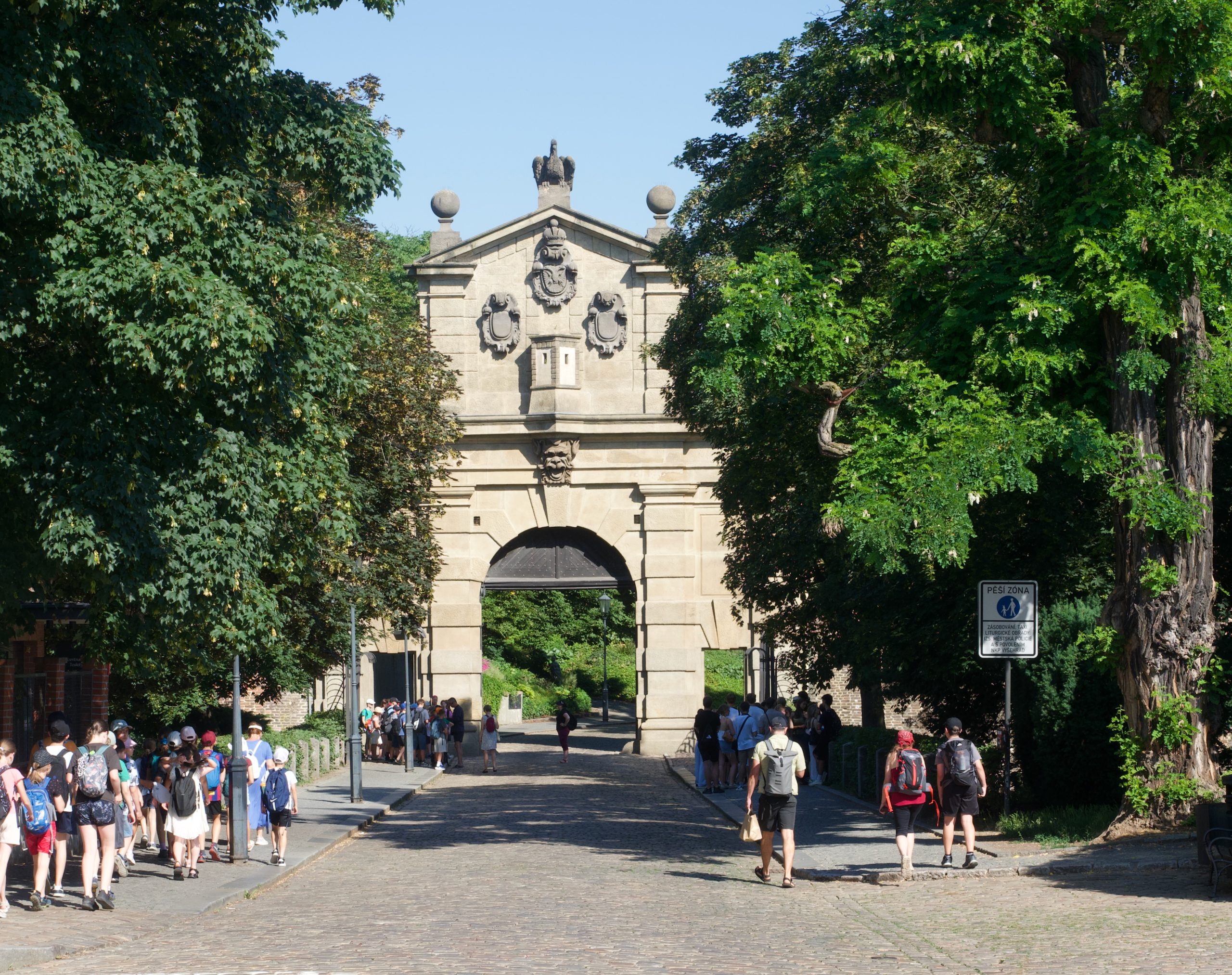
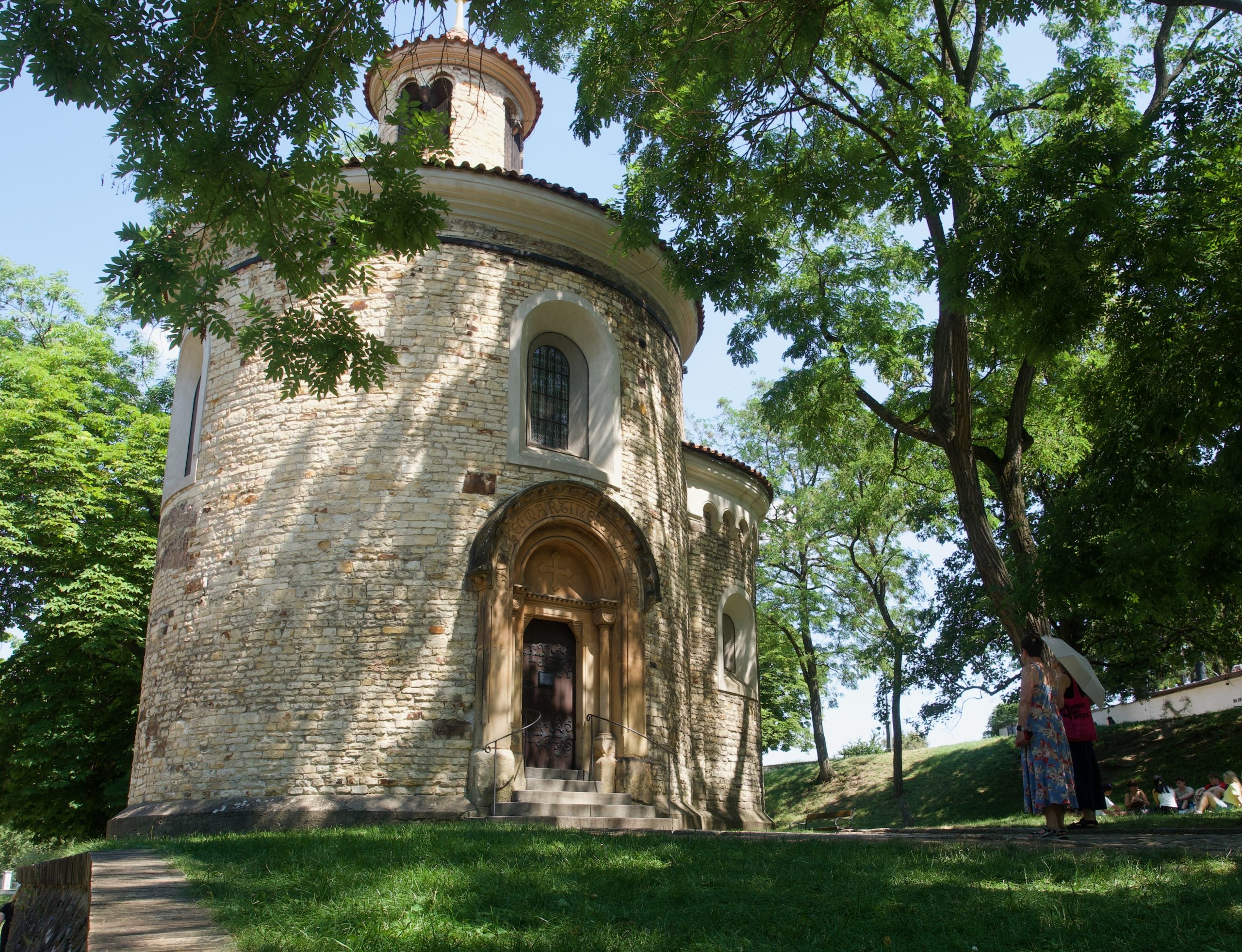
From the tram station, we walked up and up (thankfully, it was still fairly cool at 9 am) until we reached said promontory, and walked to where the old city gate around Prague would let people enter from the south, and then around the edge of the large area, now mostly a park, where the original fortification once sat. Most of what you can see today is the way the area was used and organized in the 19th century for military purposes, although a much-remodeled church with Romanesque origins (the Basilica of Peter and Paul) and a restored much older round church are also still there. The area was positively swarming with groups of school children, from kindergarteners to high-schoolers, but there were only very few foreign tourists compared with yesterday’s throngs.
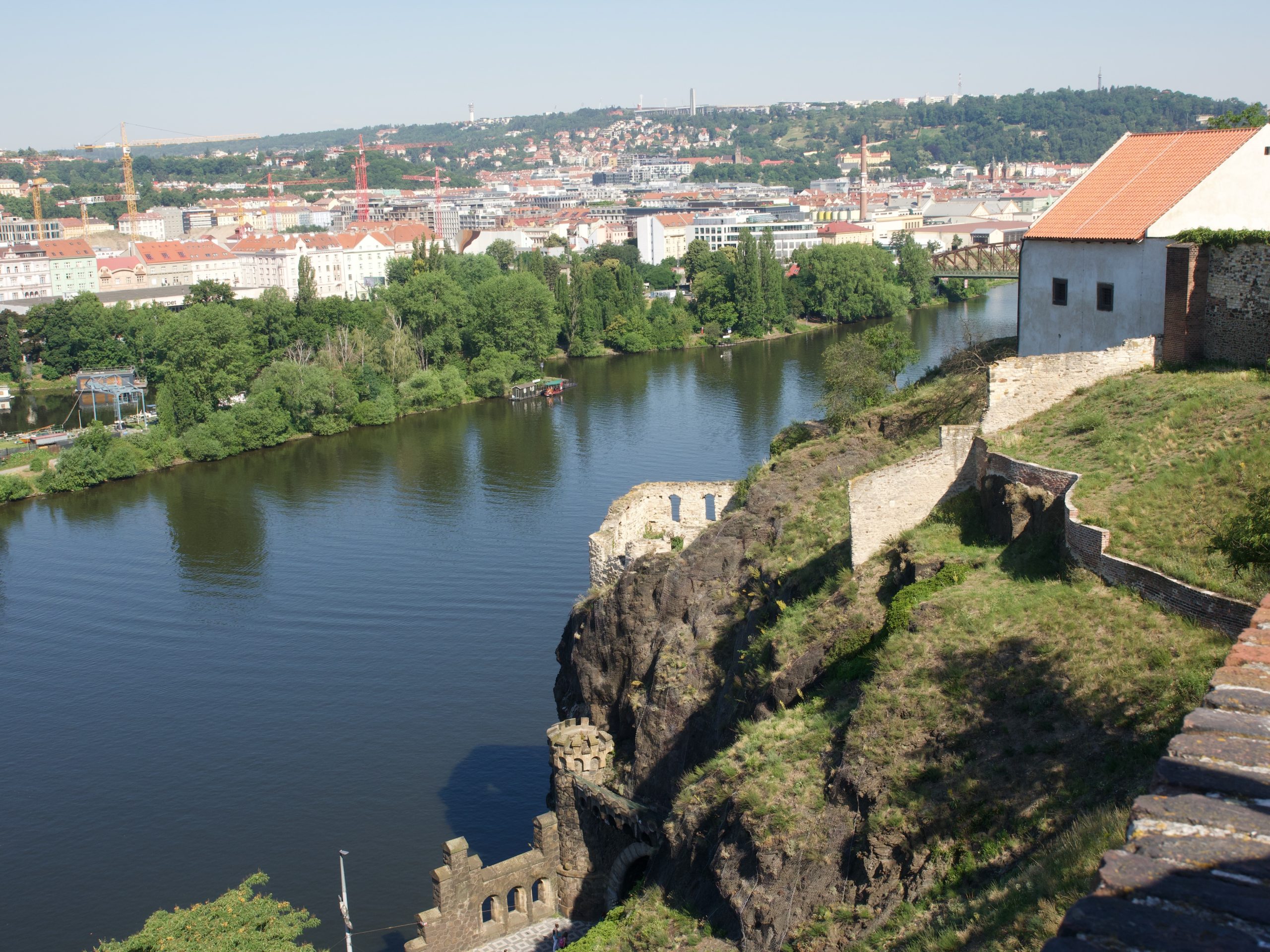
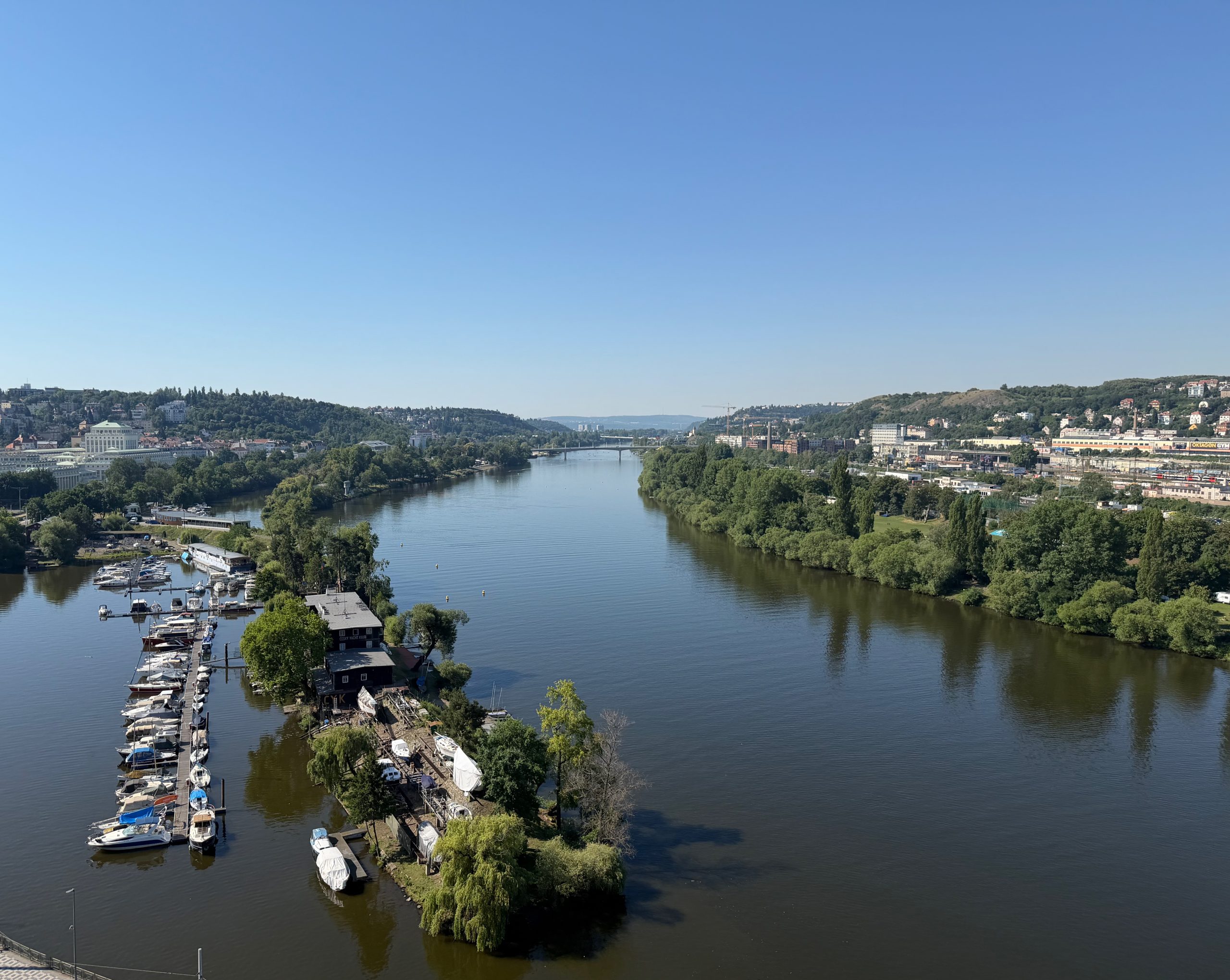
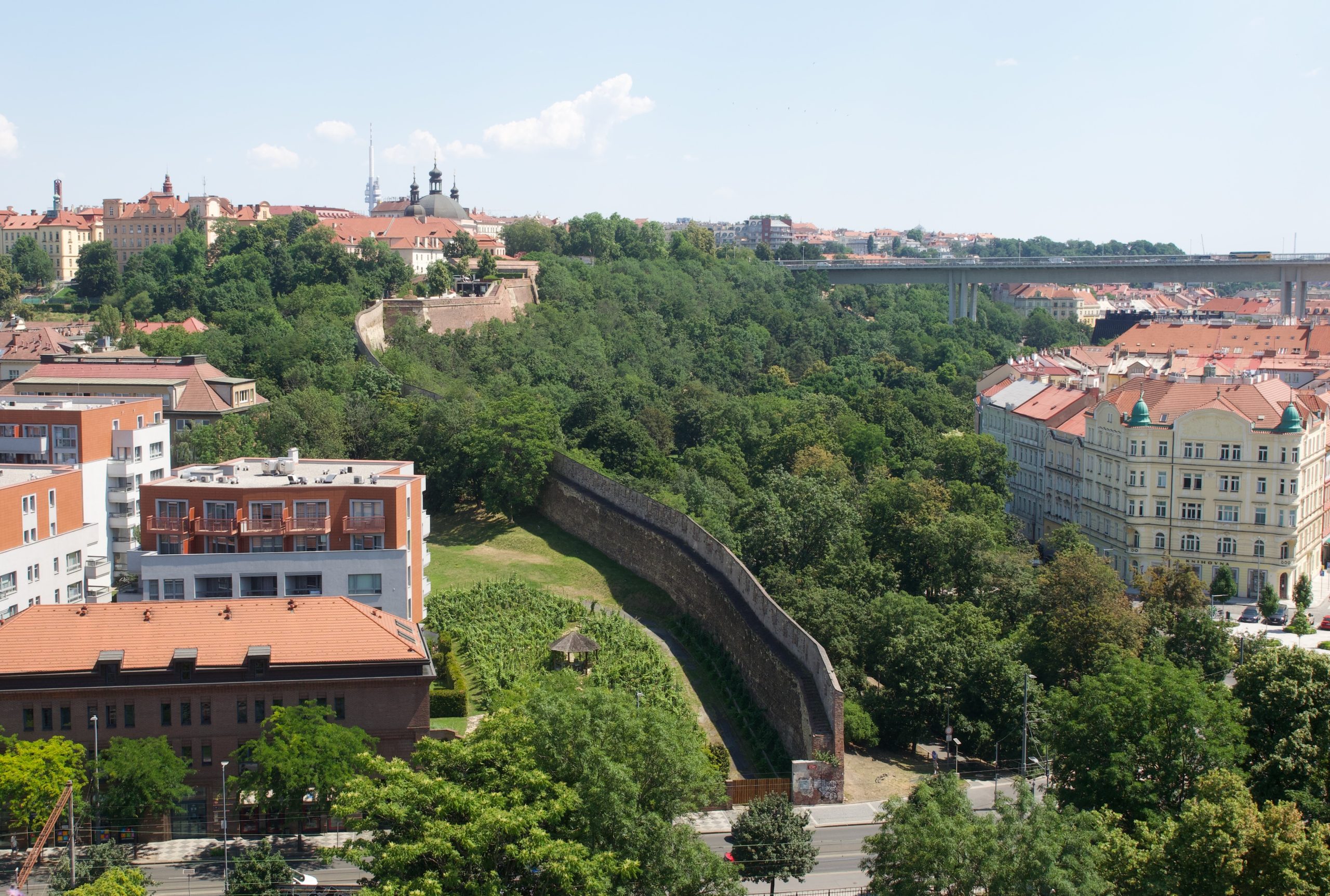
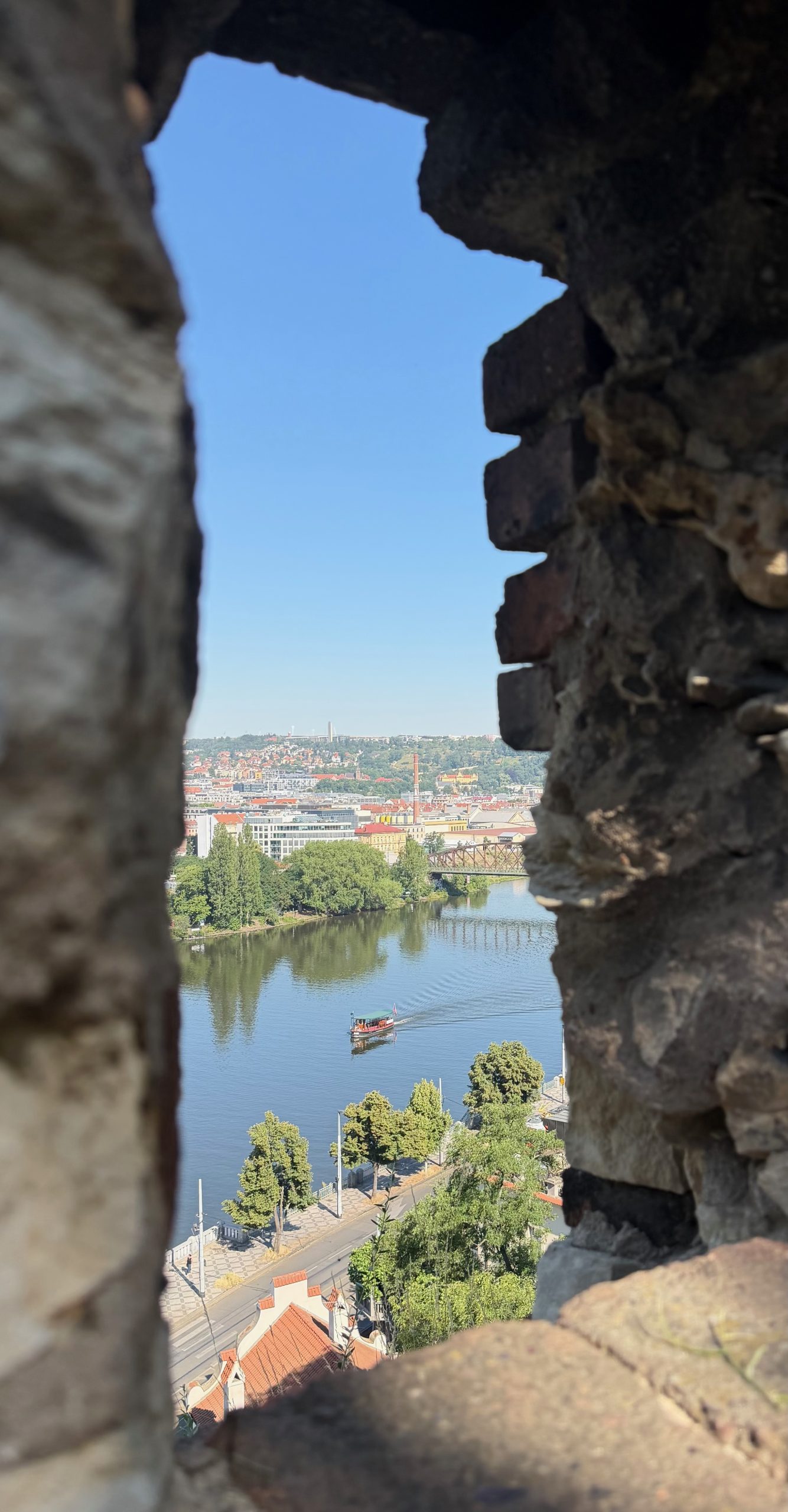
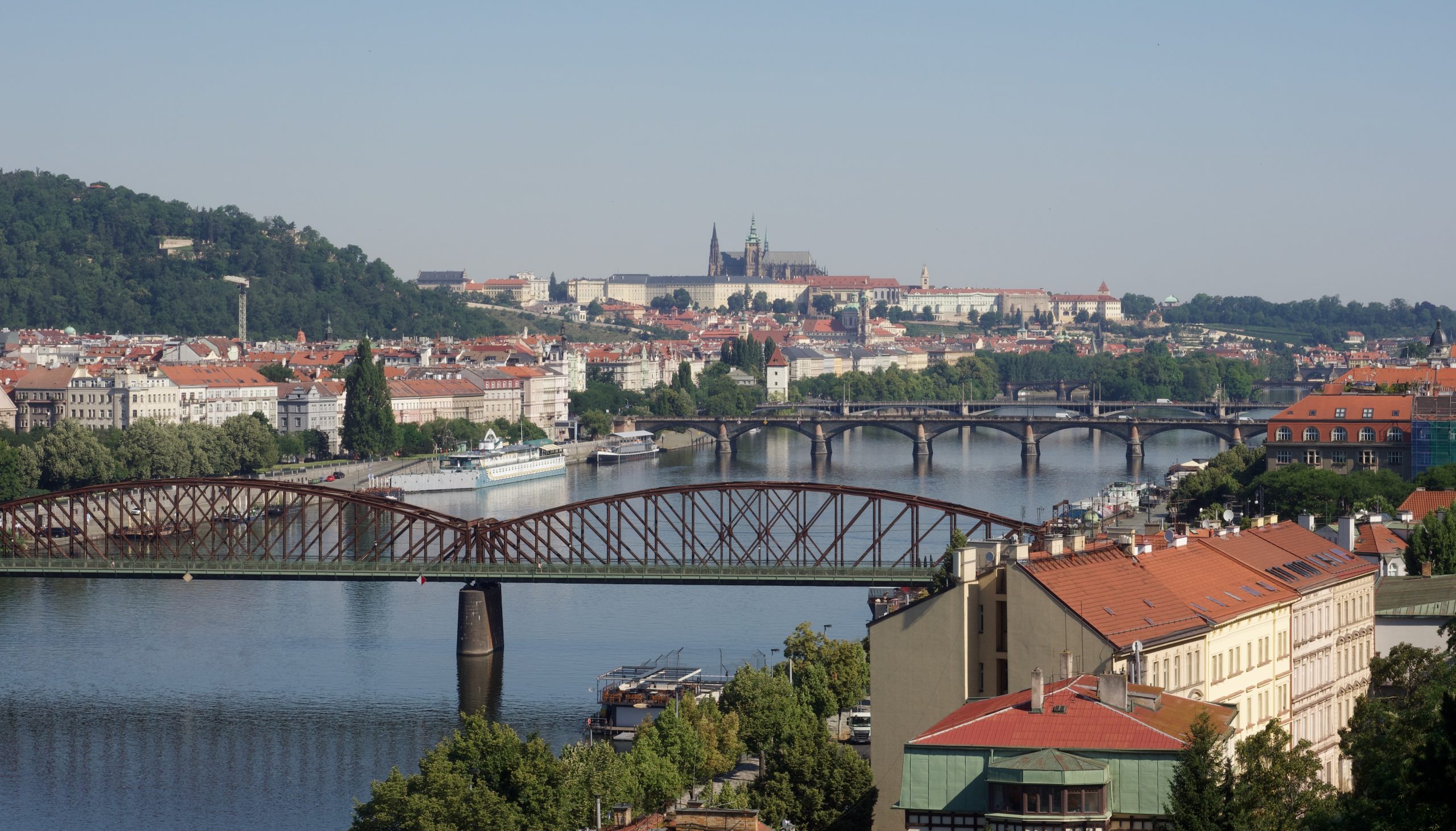
But the best thing about Vyšehrad are really the spectacular views of Prague from the edge of the former fortification!
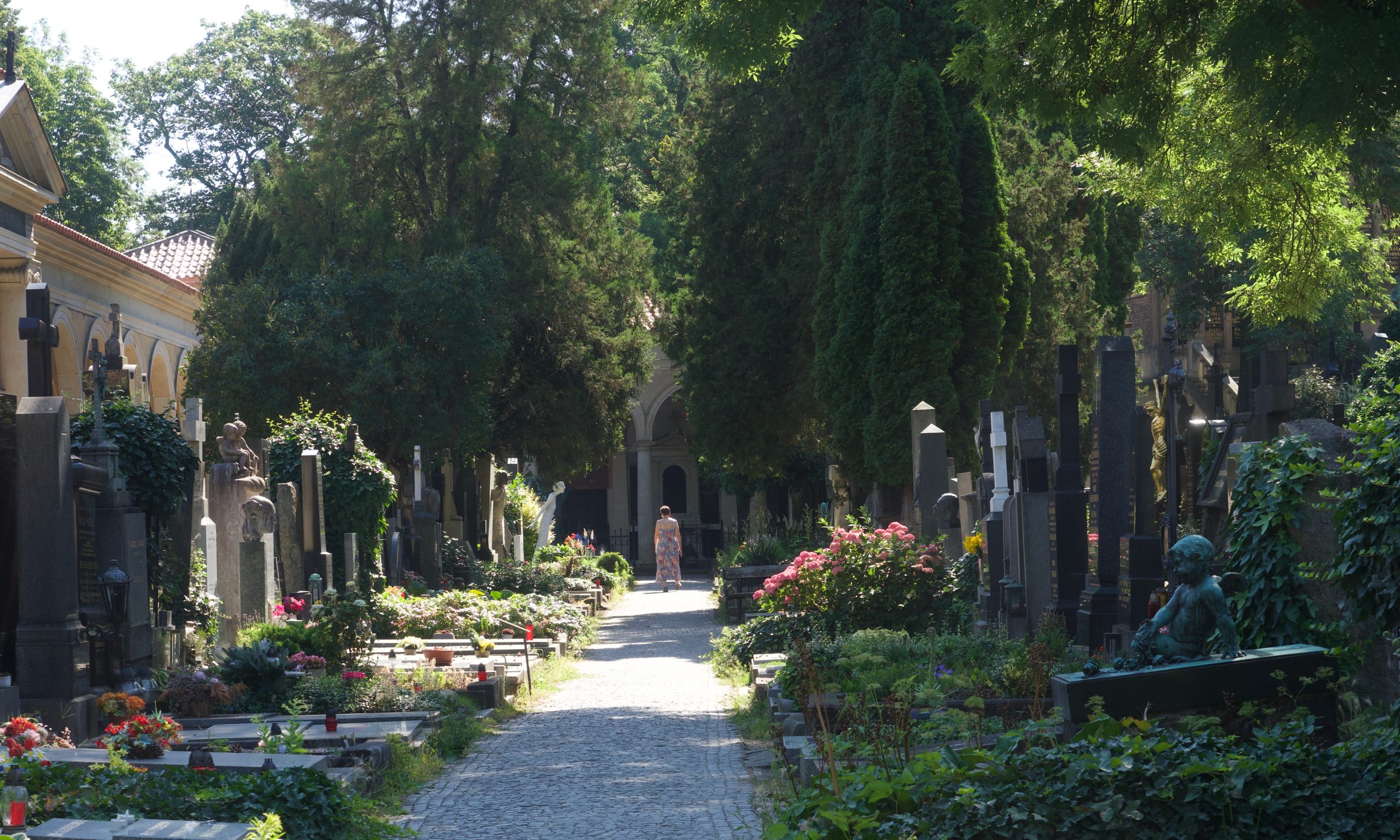
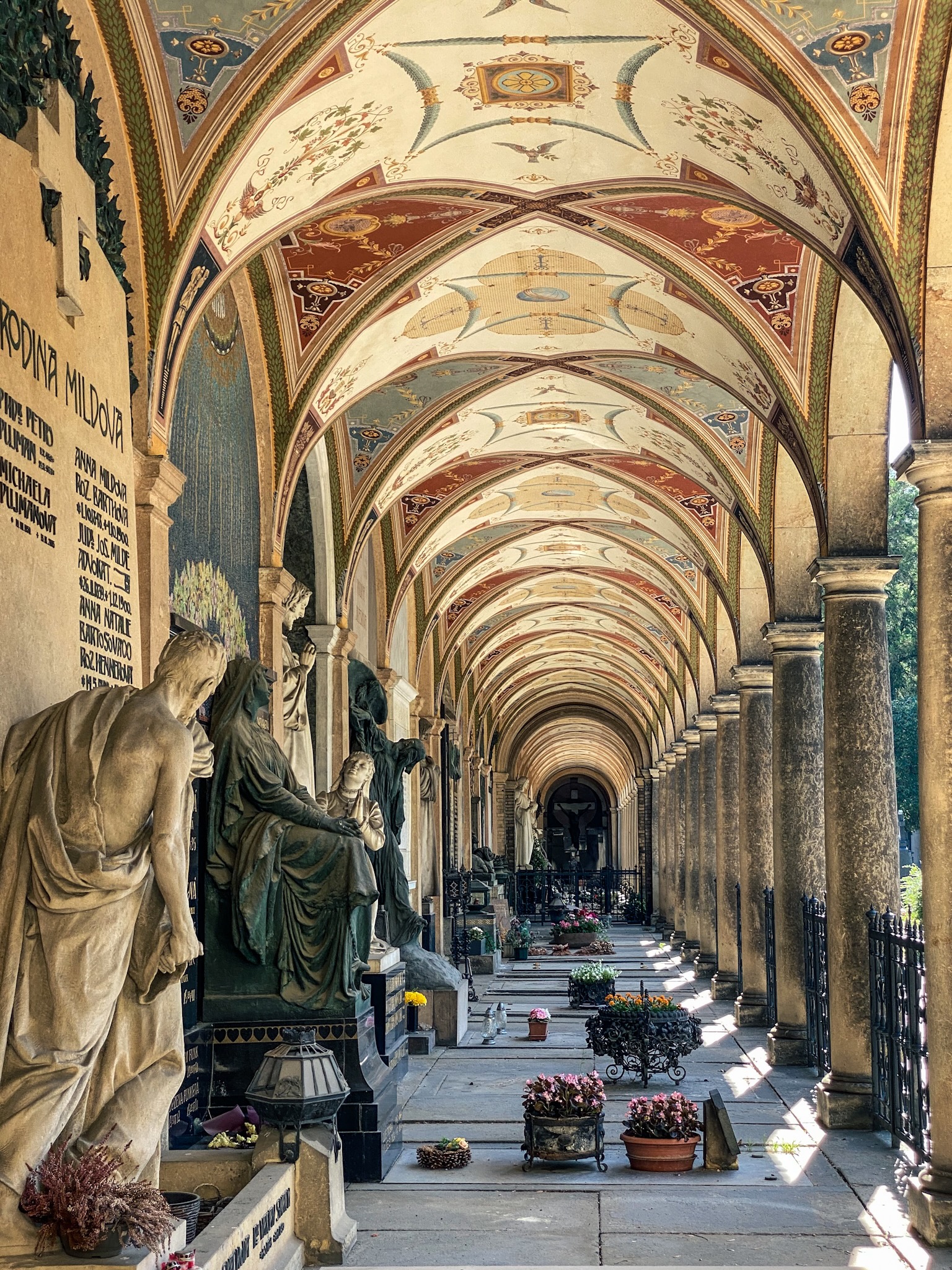
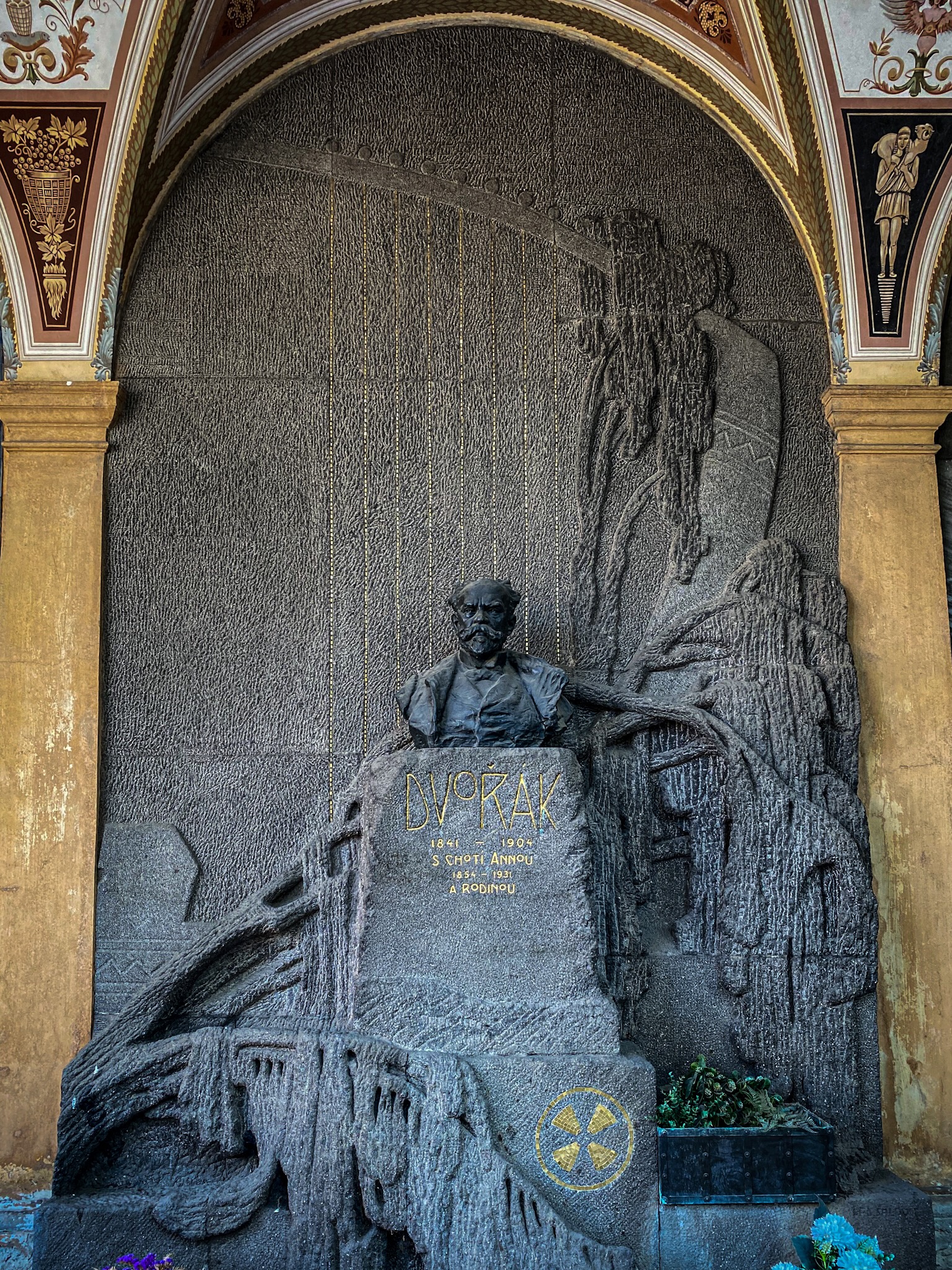
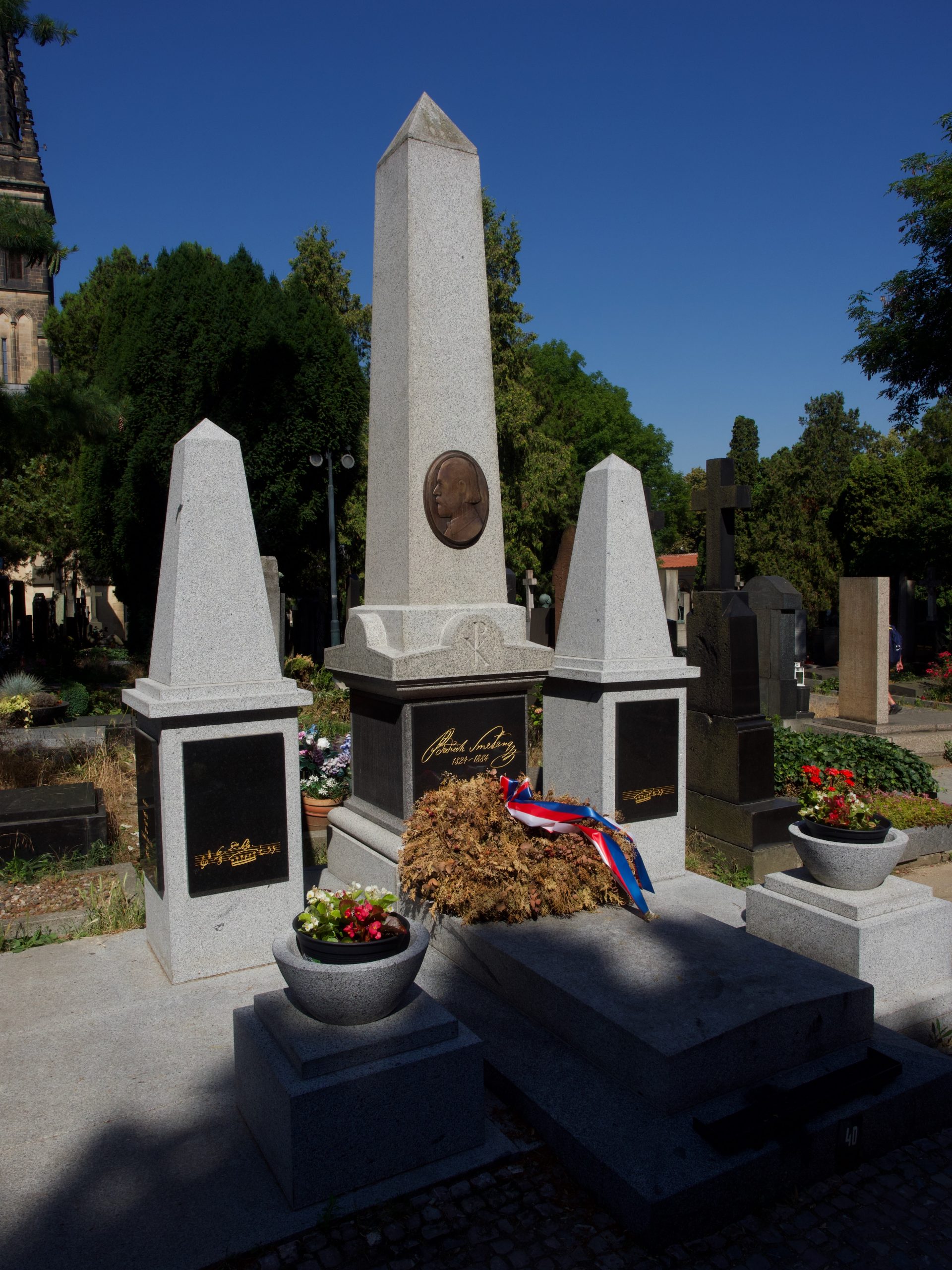
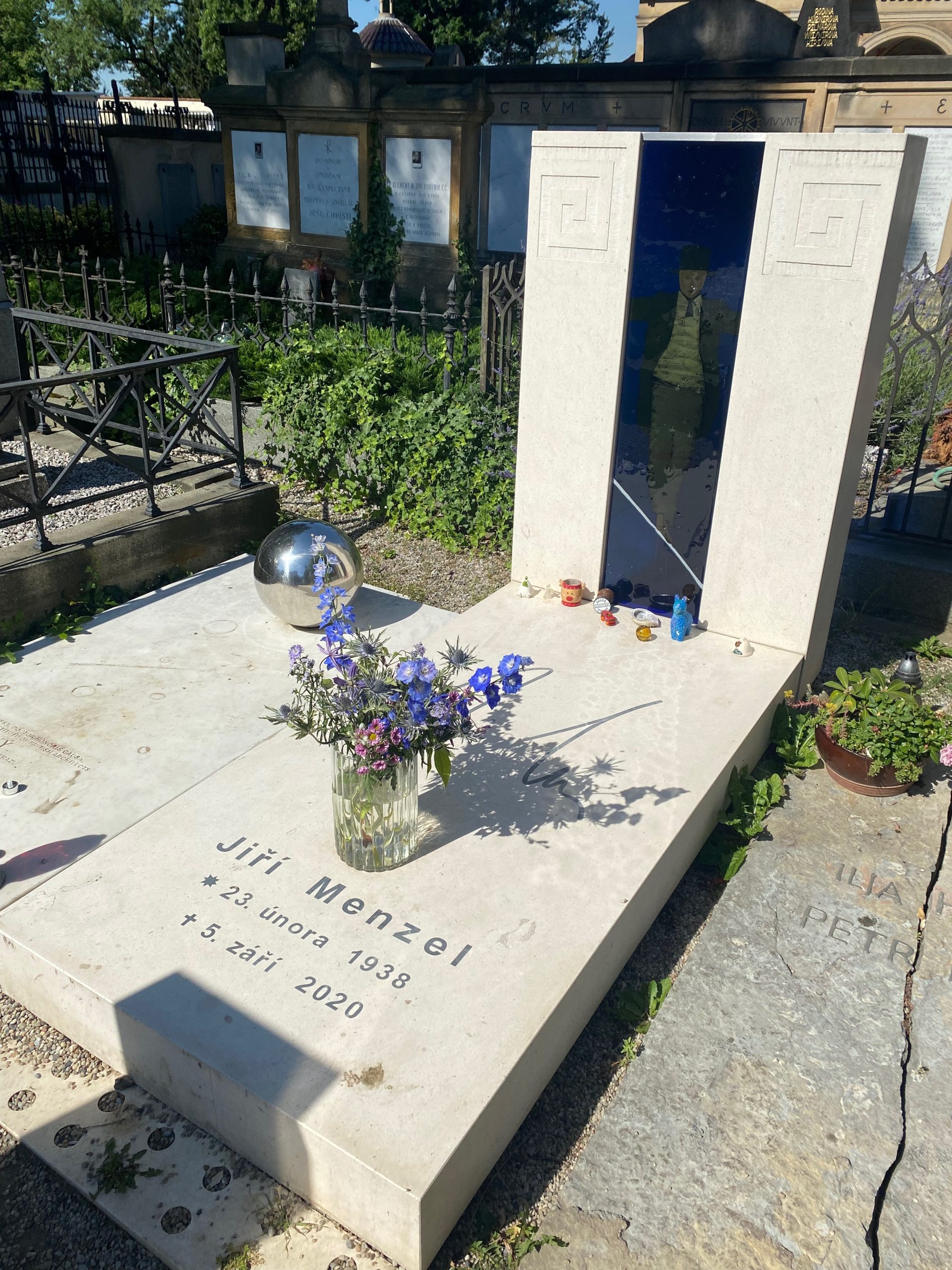
Beyond just wandering around under trees and looking out over Prague, we also visited the cemetery of the basilica, which was founded in the late 1800s and is currently in use (although rather packed full, with gravestones obviously NOT removed after 30 years like they are in Germany). The variation in styles is a little bit like the variation in façade styles of the Prague downtown! We visited the graves of Dvorak and Smetana in Kai’s honor, but since we all love cemetery art, we took pictures of several others for their sheer beauty.
By this point (nearly noon), it had gotten quite toasty and we decided that moving underground and seeing the casemates of the castle would be a good idea. Even though the tour we took was in Czech (we had a handout to follow approximately) it was fun to see what’s called the Gorlice casemates, a small portion of the vaulted underground walkways underneath the walls, which also has an unusually large underground “hall.” The hall was the result of a miscalculation of where the actual ramparts were and subdivided in the late 19th century into three floors for storage. Today, it preserves the original sculptures from the Charles Bridge.
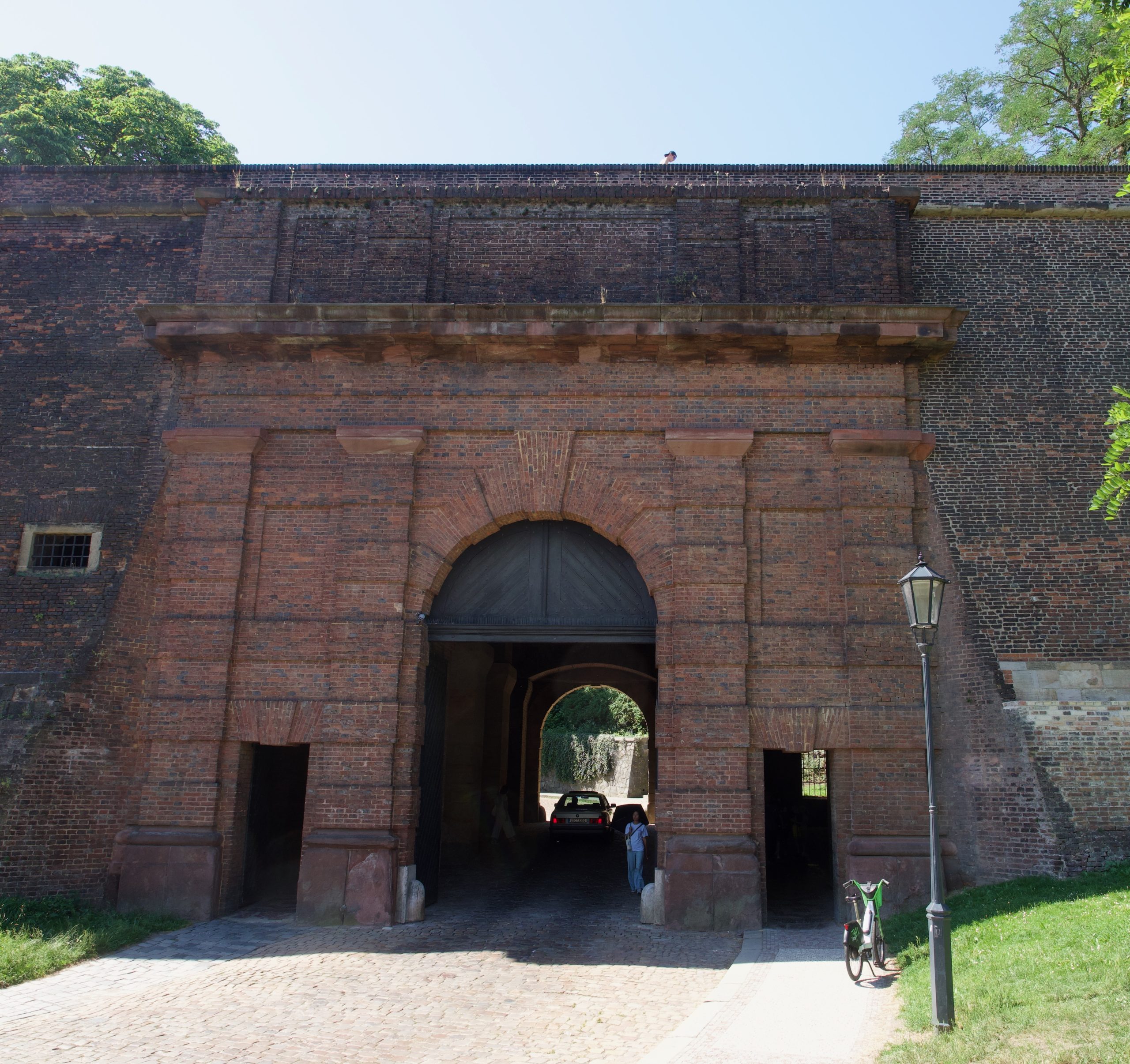
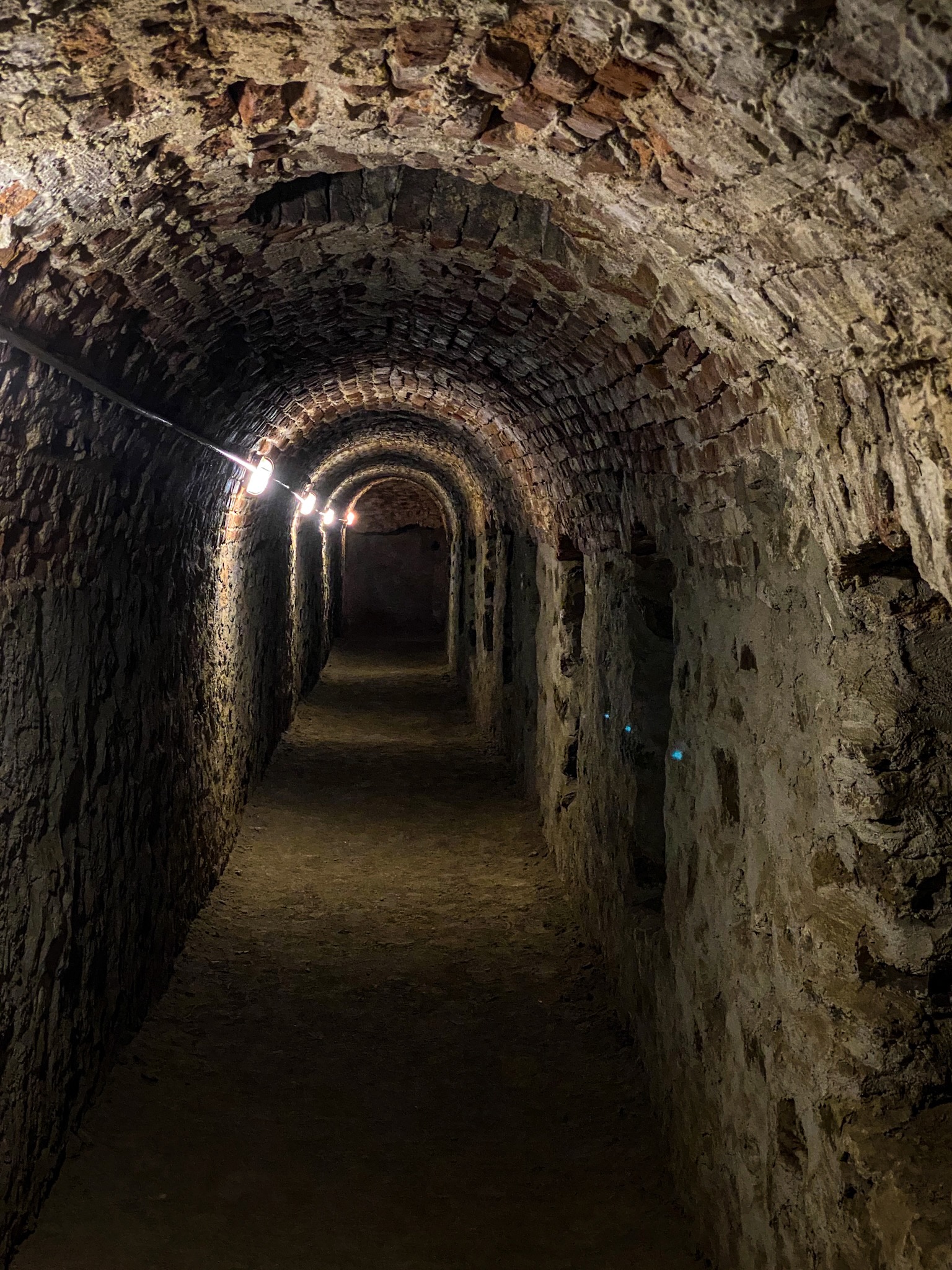
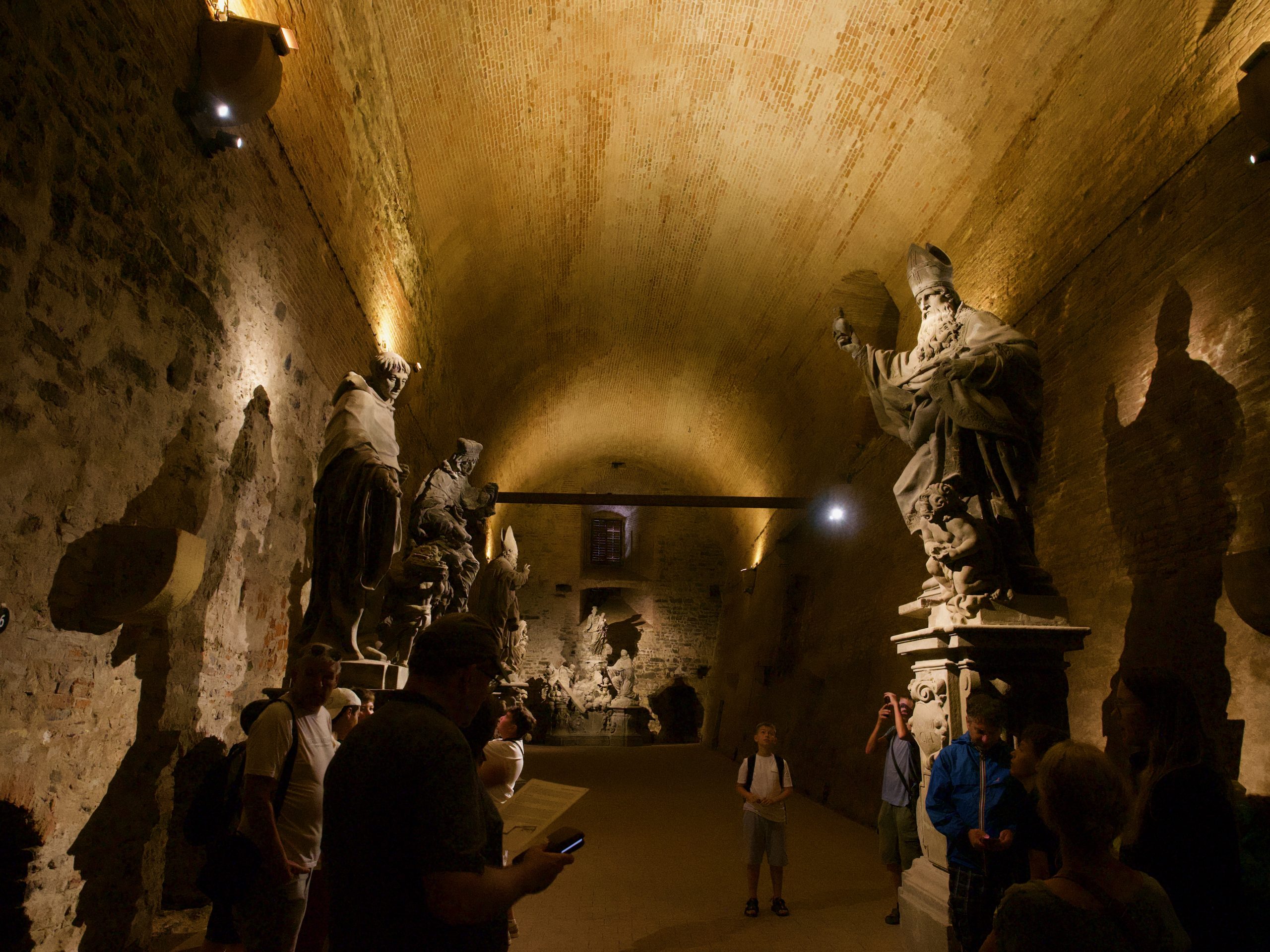
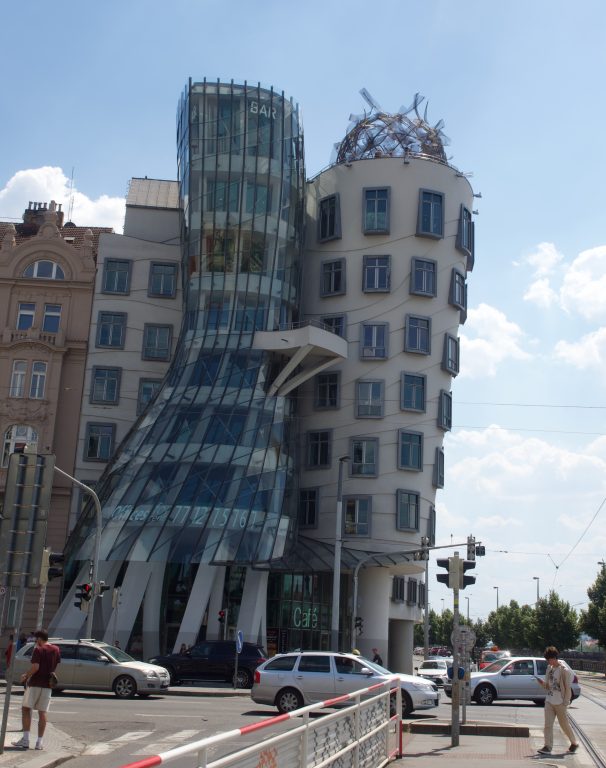
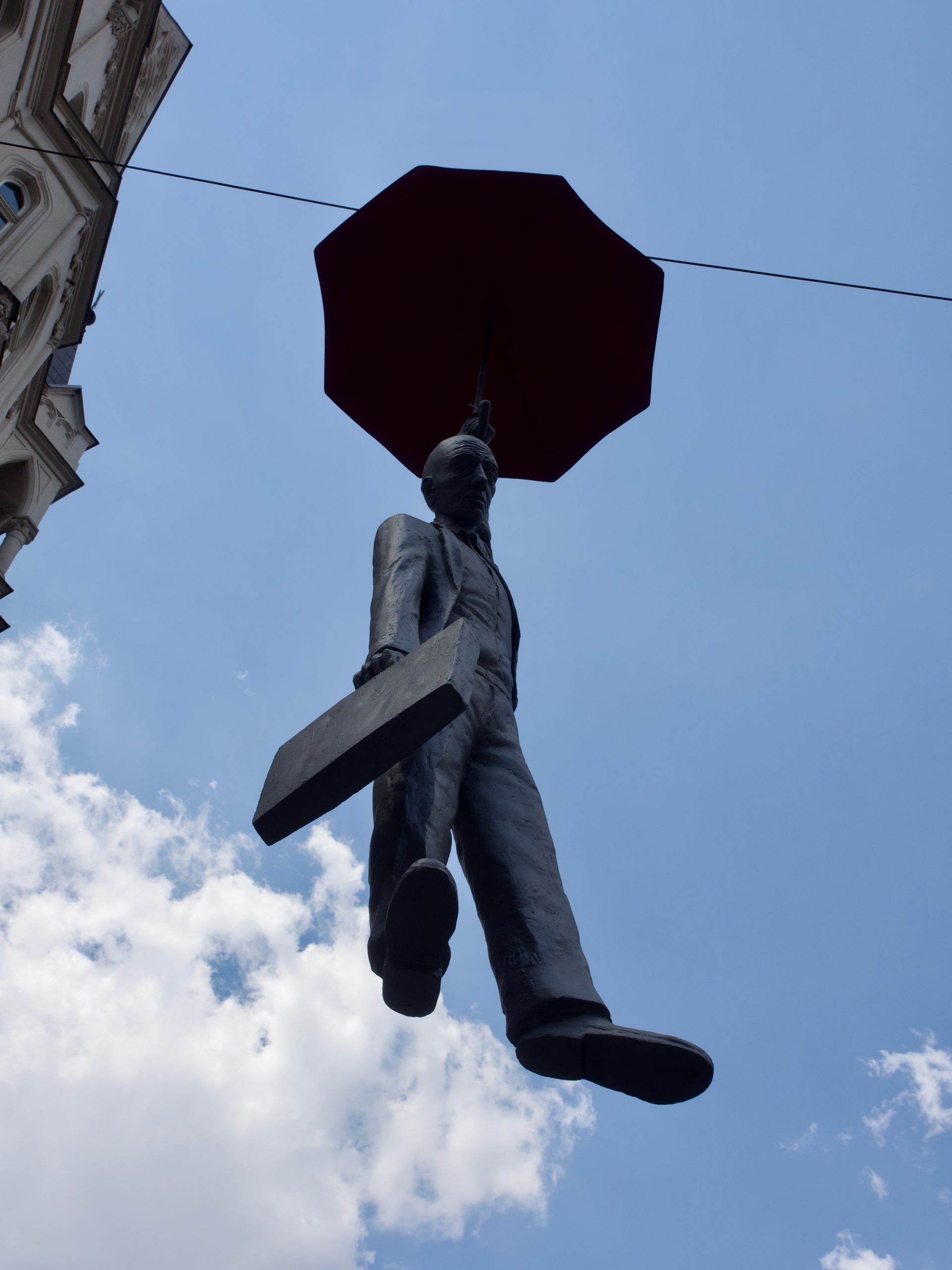
Then it was time to have some lunch in a lovely, shady café on the castle grounds, and after a quick look at a one-room museum about the history of the castle and the various churches, including some excavated material from prehistorical and medieval times, we followed the nice museum staff’s recommendation to walk down from the promontory to the bank of the Vltava on a quick set of stairs, for the quickest ride back in the tram. We were tired enough to skip the ice cream that she also recommended (but it turned out that the ice cream shop, Puro, was the same that we’ve been frequenting near our digs, so that worked out ok). Our stop for getting home was right by the “Dancing House” (a famous Frank Gehry design) and then we also found another Černy sculpture, so we were happy. Once we were home (just before 3 pm), we all took naps or at least a rest, and then Andrea and I went on an emergency run for instant coffee from the nearby supermarket, since we had run out.
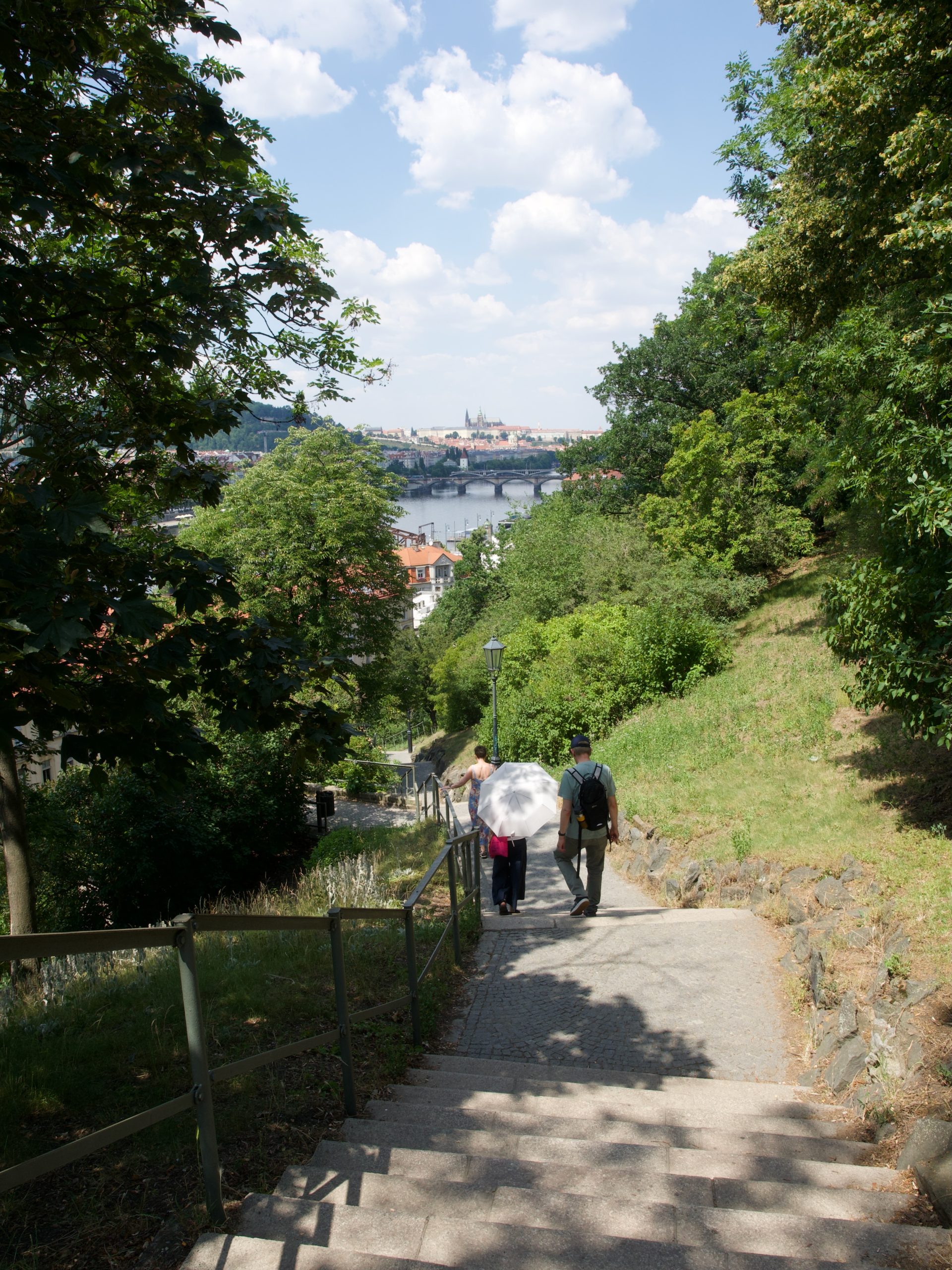
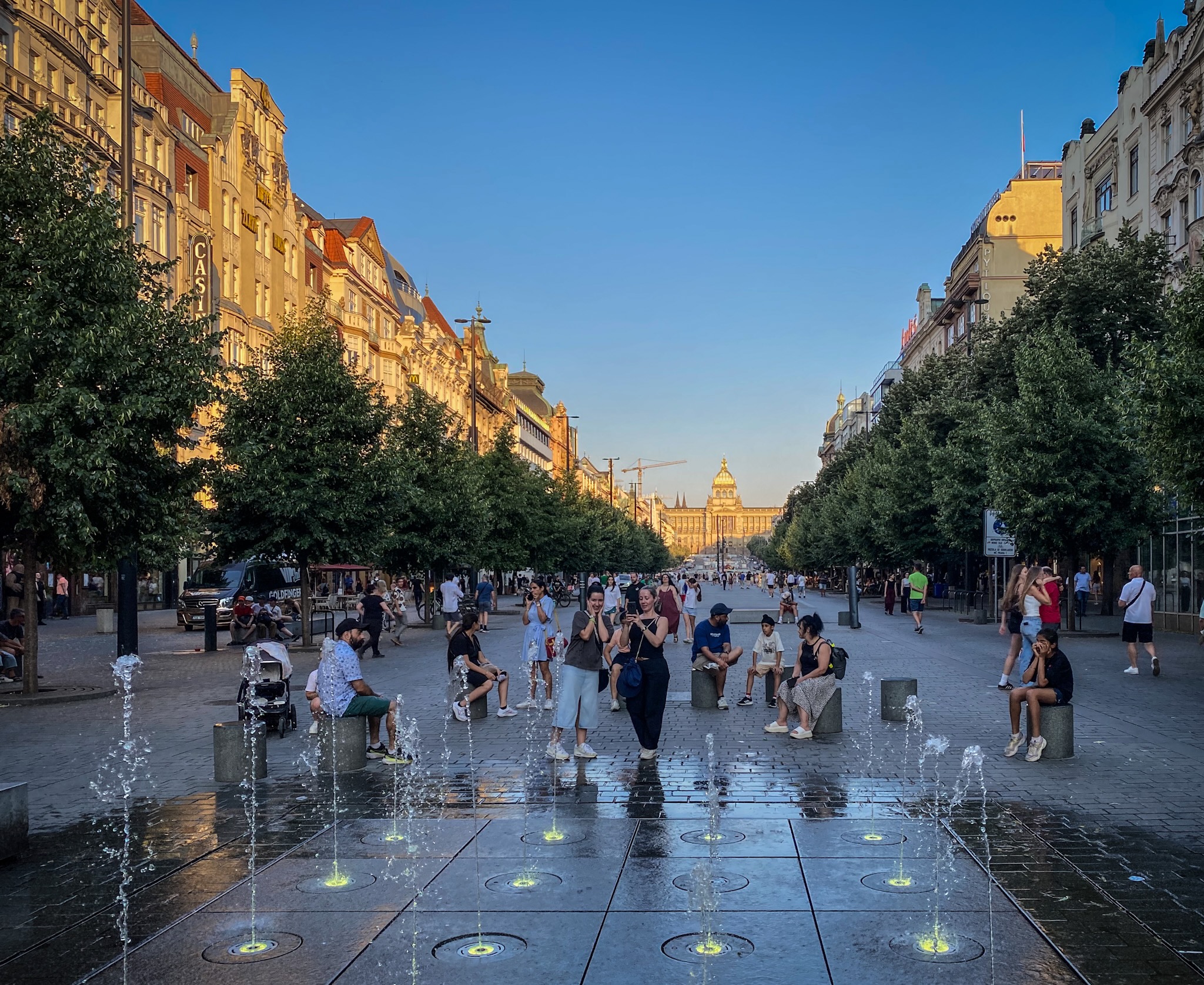
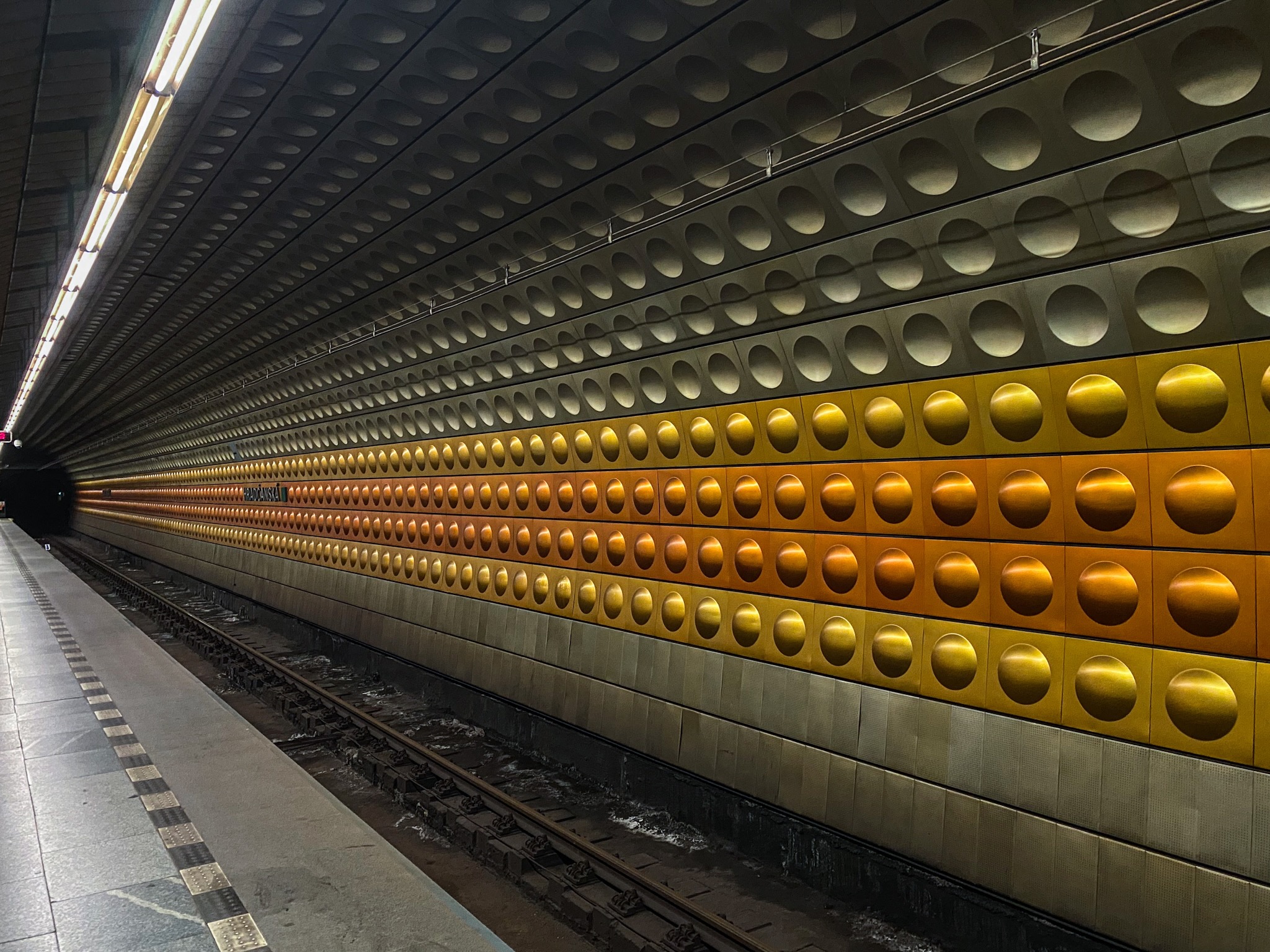
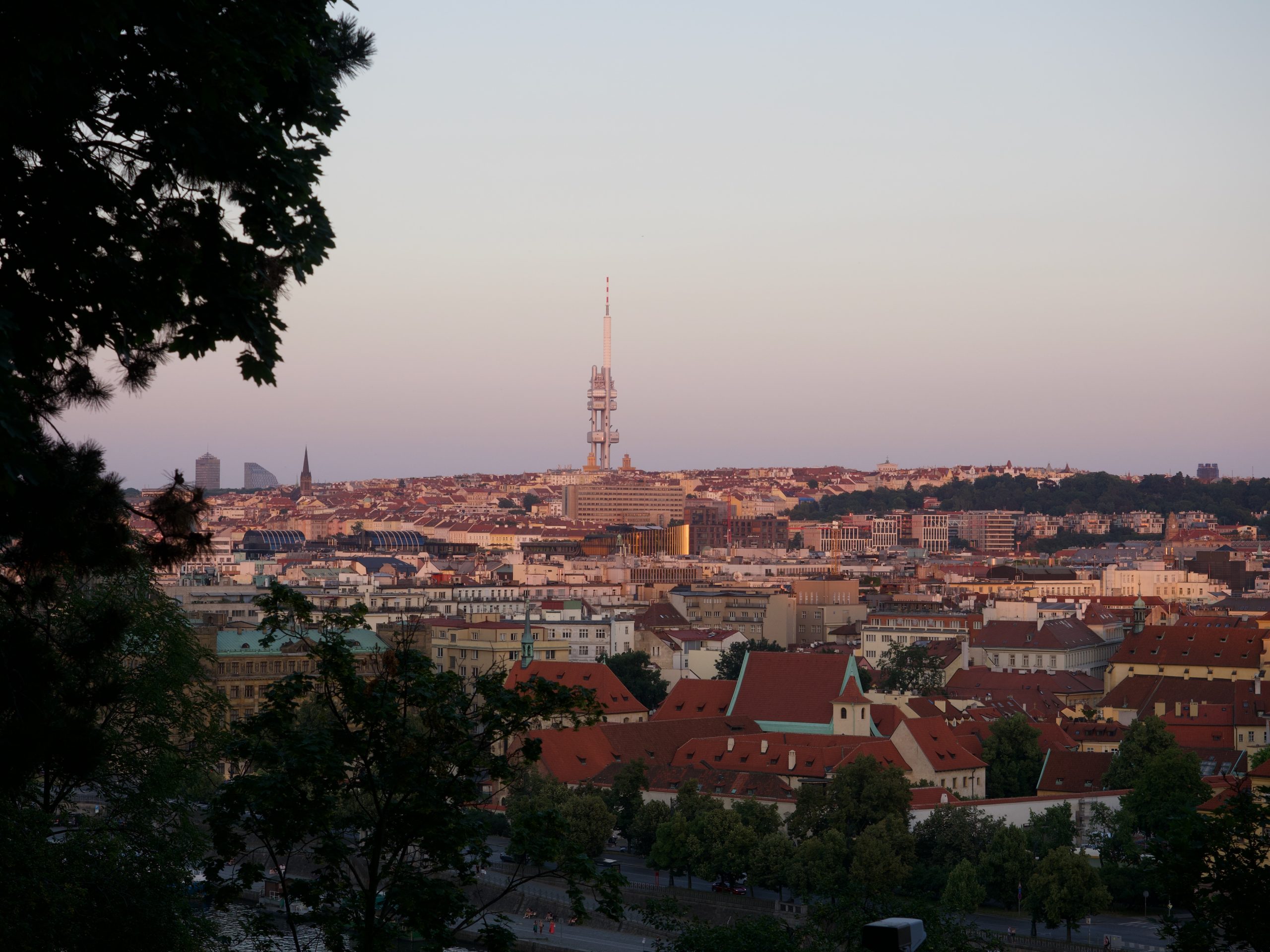
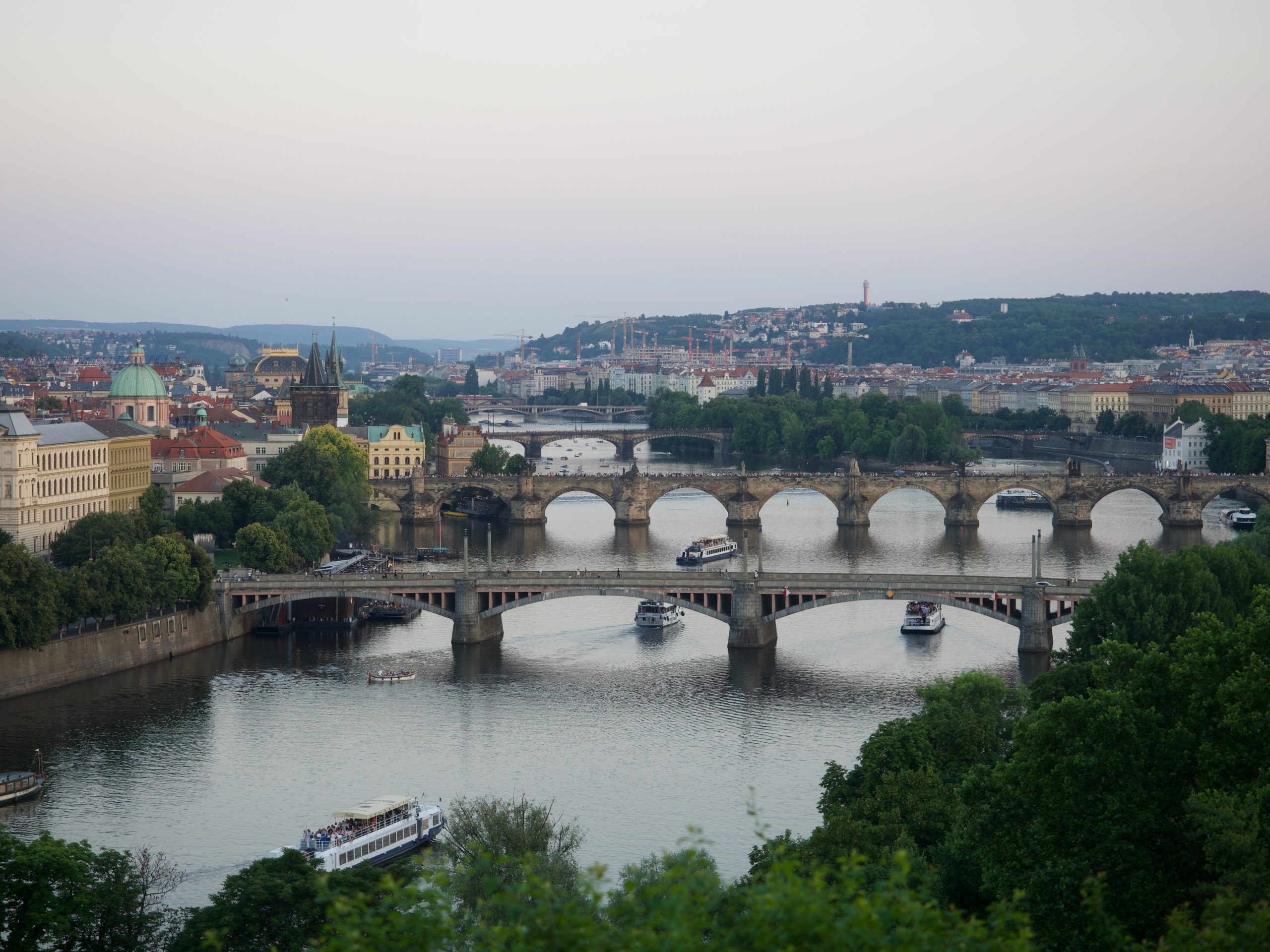
After we had properly revived ourselves with caffeine and VERY DRY Czech cookies, and sorted our many photos that we had taken up to that point, while waiting for the heat to subside a little bit, we ventured back out about 6:30 and ate at some refreshingly raw and fresh veggie bowls at a “salaterie” before heading back to Wenceslaus Square, so Mark and Peter could also admire the variance in façades and people-watch. After we had made our way around, we took the Prague subway (Metro) to the big city park, Letna Park, on the other side of the river directly north of the castle grounds. Peter had read up on it and knew it was not nearly as touristy and crowded as the castle grounds. We took the subway partly because Andrea had discovered that they had some very groovy modernist 70s design at the oldest of the metro stations (from ca. 1978). We then continued on in one of the old trams that we find so charming and got out at the TOP of Letna Park rather than climbing up to its best views of river and all of Prague on the Old Town side. We got to those right at sunset and were completely blown away by how beautiful it looked. While there were lots of people there, most of them were young and a good many were local, and there was lots of skating, skateboarding, and swimming in a park lake. When it started to get dark, we walked to the nearest tram station, only five minutes away, and made our way home with a quick stop at our one-and-only ice cream shop, to try some more flavors (my favorite is still the poppy seed ice cream, although a lovely blue spirulina was also nice, and we all agreed that the strawberry ice cream was the best we ever tasted. What a fabulous way to end a wonderful day.